Indian Railways identifies 11 trains with journeys over 40 hours for special cleanliness monitoring
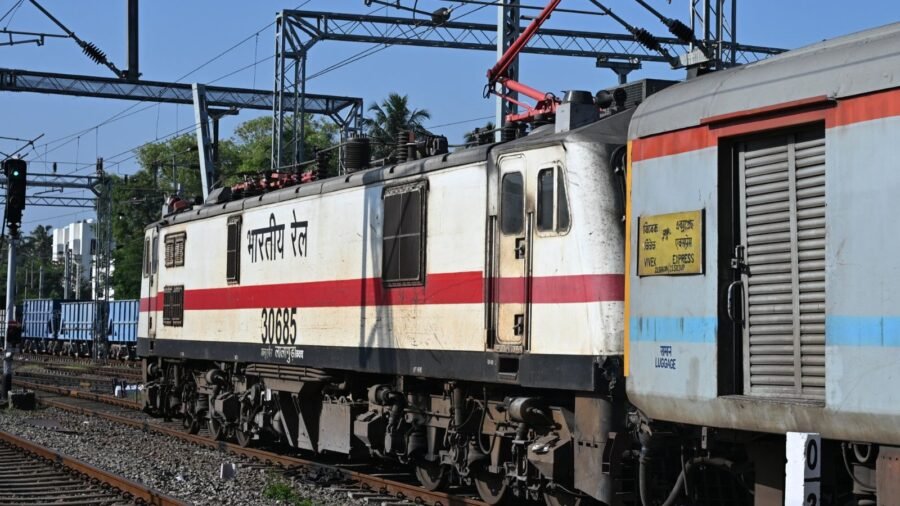
Indian Railways has identified 11 long-distance trains with journey durations of more than 40 hours for enhanced cleanliness. The move is aimed at ensuring that passengers get better housekeeping, cleaner toilets and improved onboard services throughout the journey, rather than only at the originating station.
According to a Railway Board letter dated October 3, the identified trains will receive special attention for cleanliness and serviceability during their journeys.
Why are these trains being monitored?
Long-distance trains remain on the tracks for several days. During such extended journeys, issues related to coach cleanliness, toilets, garbage disposal and minor repairs can affect the passenger experience if they are not addressed on time.
Story continues below.
Subscribe to see fewer ads.
The Railway Board (RB) has asked the concerned zones to closely monitor these trains while they are en route. The focus will be on maintaining cleanliness throughout the journey until the train reaches its destination.
The list includes some of the country’s longest-running trains, including the Vivek Express, Avadh Assam Express, Amrapali Express and Jhelum Express. The Vivek Express has the longest journey among the identified trains, covering about 4,158 km, while its rake turnaround time is 170 hours.
WHICH 11 TRAINS HAVE BEEN IDENTIFIED?
Trains with the longest turnaround time, identified for maintenance/utilisation review
Source: Railway Board
| Sl No. | Train Name and No. | From | To | Km | Turnround Time | Primary Maintenance |
|---|---|---|---|---|---|---|
| 1 | 22503/04 – Vivek Express | DBRG | CAPE | 4158 | 170 hours | DBRG – NFR |
| 2 | 15909/10 – Awadh Assam Express | DBRG | LGH | 3117 | 148 hours | DBRG – NFR |
| 3 | 01665/66 – RKMP AGTL Express | RKMP | AGTL | 2490 | 121 hours | RKMP – WCR |
| 4 | 19483/84 – ADI-SHC Express | ADI | SHC | 2280 | 115 hours | KKF – WR |
| 5 | 22365/66 – DNR SMVB Express | DNR | SMVB | 2684 | 105 hours | DNR – ECR |
| 6 | 11401/02 – Pune SOU Express | PUNE | SOU | 1998 | 103 hours | PUNE – CR |
| 7 | 15707/08 – Amrapali Express | KIR | ASR | 1808 | 95 hours | KIR – NFR |
| 8 | 11077/78 – Jhelum Express | PUNE | JAT | 2173 | 94 hours | PUNE – CR |
| 9 | 13201/02 – RGD – LTT Express | RGD | LTT | 1793 | 79 hours | RGD – ECR |
| 10 | 22831/32 – HWH YPR Express | HWH | YPR | 1915 | 71 hours | SRC – SER |
| 11 | 12203/04 – ASR Garibrath Express | ASR | SHC | 1716 | 66 hours | ASR – NR |
What will Indian Railways do?
The Railway Board has directed the zones to take several measures to improve cleanliness and upkeep. The identified trains will be closely monitored by the owning depots during their journeys. Officers will also review cleanliness levels and passenger complaints on a regular basis.
Special attention will be given to Clean Train Station (CTS) points, where cleaning teams will be expected to have adequate manpower, equipment and consumables. The RB has also asked for small repairs to be attended to during the journey, while bio-toilets will be checked at maintenance depots and designated en-route locations.
Story continues below this ad
- Garbage collection to be monitored
Under the onboard housekeeping arrangements, garbage collection is carried out every two hours in coaches. The RB has directed that the collected waste should be handed over at designated disposal points instead of being thrown along the railway track.
- Photographic monitoring
Time-stamped photographs of coaches and toilets will also be taken at selected inspection points, as well as at originating and destination stations, to help monitor the condition of the trains.
- Focus on passenger experience
The Railway Board has stressed that the objective is not simply to improve cleanliness when a train starts its journey. “In the new OBHS scheme emphasis has been given on the passenger awareness and regular training of OBHS staffs. This need to be emulated in all depots on OBHS trains. The OBHS staffs to be regularly trained for task assigned and proper etiquettes and behavior,” the letter reads.

Keralam to install Rs 10 sanitary napkin vending machines at public places
By Sohail Khan · 5 Oct

Leave a Reply