India expands Shakti engine production for Dhruv, Prachand helicopters
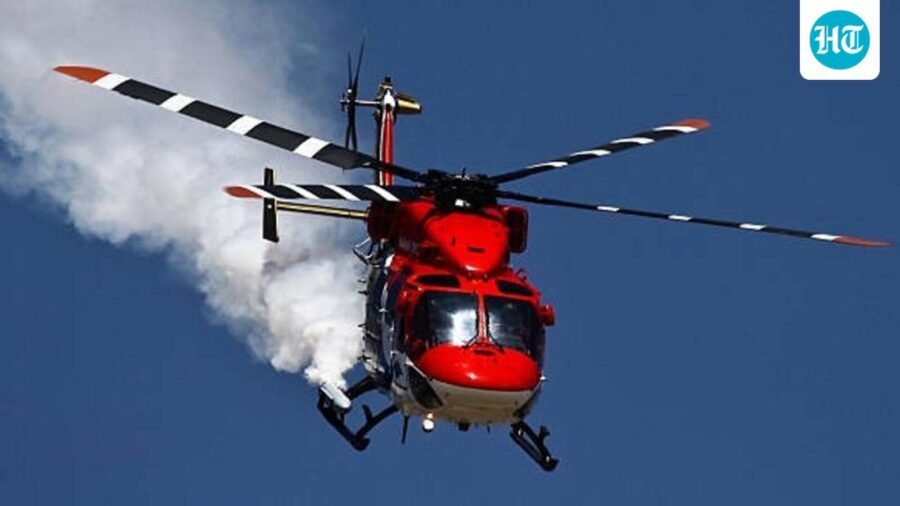
HAL currently produces 80 Ardiden 1H1 Shakti engines annually at its Bengaluru facility, and the new production line will raise its annual capacity to 180 engines
Published on: Oct 6, 2026, 08:21:00 IST
Prefer HTon Google
Share via
Copy link
Defence minister Rajnath Singh will on Tuesday inaugurate a second production line for Shakti engines at Hindustan Aeronautics Limited’s Koraput facility in Odisha, aimed at meeting the growing engine requirements of indigenous helicopters, including the Dhruv advanced light helicopter and Prachand light combat helicopter.
HAL currently produces 80 Ardiden 1H1 Shakti engines annually at its Bengaluru facility, and the new production line will raise its annual capacity to 180 engines, officials aware of the matter said on Tuesday. The Shakti engine was co-developed with French aerospace major Safran. The second production line represents an investment of ₹218 crore.
On Tuesday, HAL’s Koraput engine division will also deliver its 2,000th engine, the AL-31FP that powers the Sukhoi-30MKI, another milestone in the facility’s decades-long contribution to India’s aerospace and defence manufacturing and the military’s operational readiness, the officials said.
The facility has produced the R-11, R-25, R-29 and RD-33 engines for different MiG variants, including MiG-21, Mig-27 and MiG-29, operated by the Indian Air Force.
Two years ago, the defence ministry signed a contract with HAL for 240 aero-engines worth ₹26,000 crore for the Su-30 fighters. HAL will supply 30 AL-31FP engines annually from Koraput, completing delivery in eight years.
The IAF operates a fleet of 260 Su-30s and will receive 12 additional fighters to make up for planes lost in accidents. HAL estimates that the air force will require around 900 engines over the Su-30 fleet’s lifetime.
The engines are being built in Koraput from the raw material stage with technology transfer from Russia; only some spares, forgings and castings are expected to be imported. The final lot of engines will have an indigenous content of up to 63%.
Building indigenous aero-engine capability is a critical component of the government’s vision to transform India from a buyer of defence equipment into a manufacturer of platforms, given the strategic importance and technological complexity of engine systems, the defence ministry said.
Last year, Prime Minister Narendra Modi made a strong case for building jet engines in the country, highlighting a stark technology gap and stressing that self-reliance will be central to India’s ambition of becoming a developed nation by 2047.
The light combat aircraft (LCA Mk-1A) programme, crucial for the IAF to shore up its fighter fleet, is running behind schedule due to several reasons, including a delay in the supply of F404-IN20 engines by US firm GE Aerospace. HAL is also negotiating with GE Aerospace for the joint production of F414 engines in India for the more advanced LCA Mk-2 programme.
India is also in talks with global engine makers such as Safran and Rolls Royce to build domestic capabilities.
See Less




Leave a Reply