Asian Games tour diary: Notes from a city too polite to say no

Story continues below.
Subscribe to see fewer ads.
So, the warnings are everywhere. Evacuation zones are marked outside the athletes’ plaza. Safety advisories sit inside railway stations. Competition venues have their own instructions. Before play begins, the giant screen invariably flashes a reminder of what to do, and what not to do, in the event of an earthquake or tsunami.
On the first day, I notice every one of them. Twenty-four hours later, I barely register them.
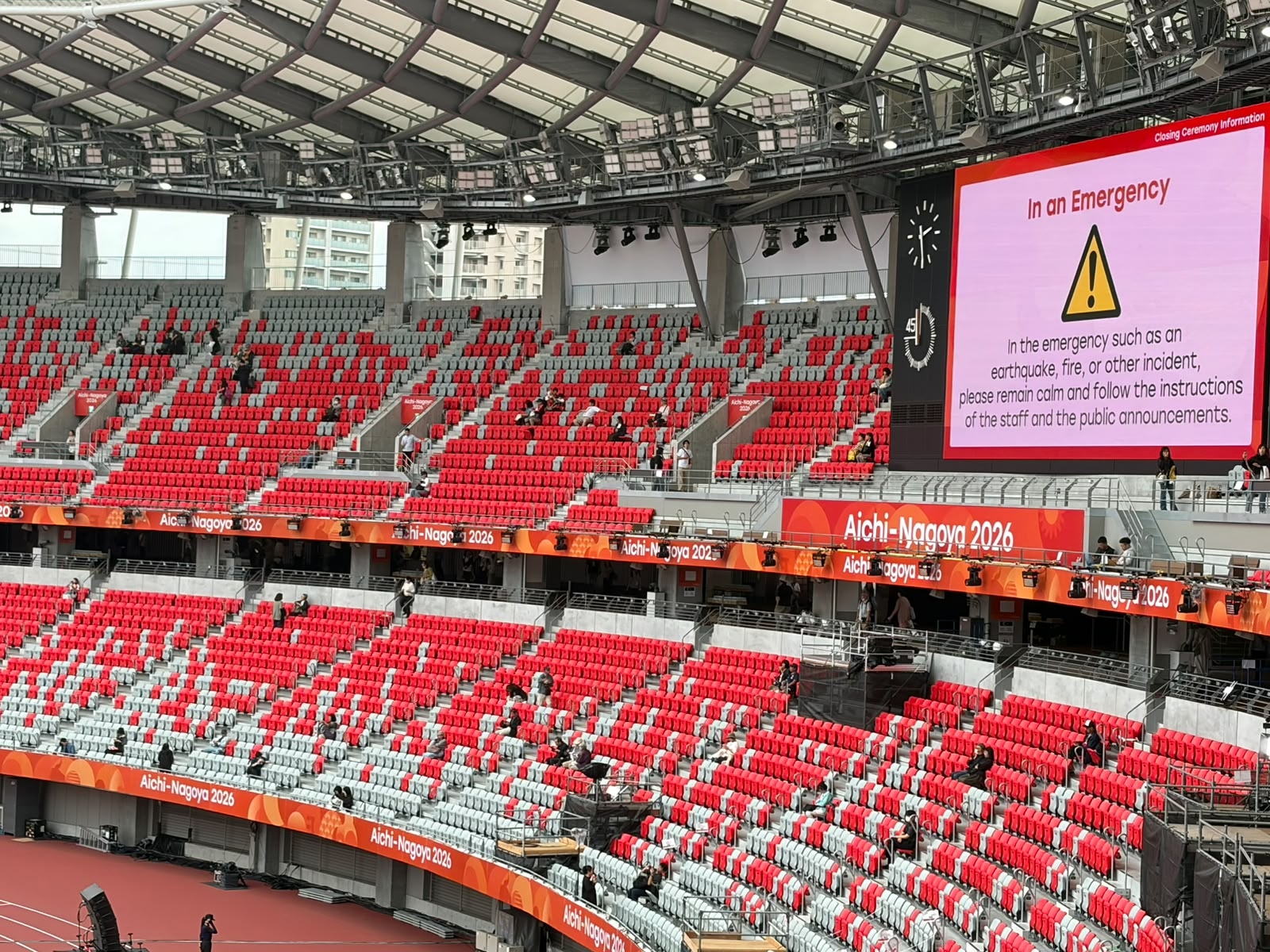 Earthquake warning signs on big screen before closing ceremony.
The media kit contains another, more thoughtful item: masks for neck, shoulder and leg pain. Because the other hazard of these Games is much less dramatic: the walking.
As the days pass, the step count keeps climbing. It peaks on October 1, when I travel between Nagoya, Obu and Okazaki, using the train-bus-train combination that has become something of a recurring feature of these Games.
Story continues below this ad
By the end of the day, I have covered 15.02 km on foot. If nothing else, these Games are going to do wonders for my annual step-count target.
Day 1: Lost in the maze
Nagoya Station is the sort of place that makes me question my own sense of direction.
Above ground, there are trains, towers, roads and people moving in every direction. Below ground is another city: platforms on different levels, underground passages disappearing around corners, shopping arcades, staircases, escalators and exits that seem to multiply the further I walk.
While returning from a venue, I am completely lost. Google Maps suggests a train, then a bus to another station that would take me to Kinjofuto, where the main media hub is and the cruise liner for athletes is docked.
Story continues below this ad
I am used to the coarse pudhe chala (move ahead) of BEST conductors in Mumbai, the instruction delivered at full volume, with the assumption that I will somehow figure out the rest. Here, the woman bus driver wears a face mask, a crisp white shirt and a black jacket. At the Tokai-dori stop, she picks up the microphone and individually thanks every passenger who gets in.
Arigato gozaimasu. There are perhaps 13-15 of us who get in. She thanks all of us.
By the end of the day, at around 11.30pm, I am lost again somewhere underneath Nagoya. I am standing at a Kintetsu platform, staring at my phone and trying to work out whether the train waiting on Platform 1 will take me to Komeno, from where my apartment is a 7-minute walk.
I find a uniformed woman and show her my phone. She squints at the screen. Nods. I hop in, and three minutes later, hop off. Then, just as the doors are about to close, the same woman steps out of the captain’s cabin.
Story continues below this ad
She looks at me. Checks that I have got off at the right station. Gives me a thumbs-up. Gets back in. The train chugs away into the darkness.
I stand on the platform wondering if she really comes out just to make sure the lost foreigner gets off at the right station.
Day 3: Early morning trek
The city gradually disappears. The bus windows lose the towers and dense buildings. Then come fields, little houses, narrow roads, wooded slopes. By the time it drops us off, I am in a sleepy rural corner of Toyota City, with another kilometre to walk to the venue.
It is early morning. The road is quiet. On either side are dense stands of trees, the hills rising behind them in layers of green. There are stretches where the only sound is my own footsteps.
Story continues below this ad
And somewhere inside this landscape is a shooting range. The venue is secluded, surrounded by the forest. It is a beautiful setting for a sport that demands a Zen-like state from its athletes.
Reaching the venue and getting back takes up an entire day, but you don’t really mind. By afternoon the weather changes, it starts to drizzle, then, almost theatrically, the sky turns orange and a rainbow appears across the hills.
After making me trek into the middle of nowhere, Aichi decides to show off.
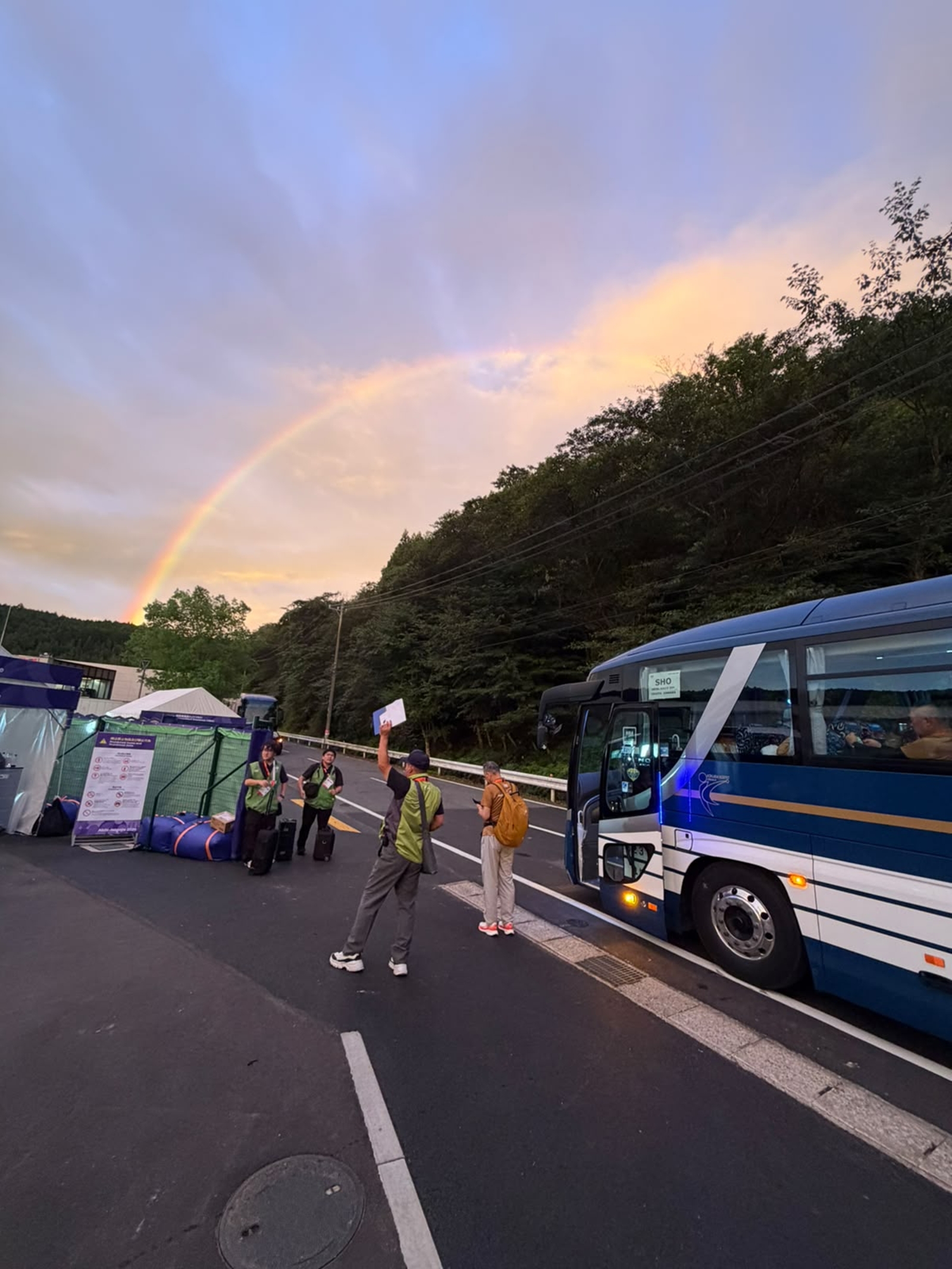 You won’t always find a rainbow at the end of a trek and an Asian Games shooting event, but there was one here.
Day 4: The last cookie
The chocolate cookies at the venues are a hit. A serious hit. They disappear almost as soon as they arrive, which means that after a few days, spotting a fresh batch creates the sort of urgency usually reserved for breaking news.
Story continues below this ad
Late evening at the main media centre, I walk towards the lounge for a coffee and spot one last cookie sitting there. From the opposite direction, I notice a Malaysian journalist heading for the same cookie. He has seen it too.
We continue walking, each pretending this is a perfectly normal stroll and not a race for the final chocolate cookie of the evening.
We reach it at almost exactly the same time. There is a brief moment of politeness. He offers it to me. I to him. He insists. I insist. Eventually, I take it. India wins.
Day 6: 100 not out
A friend points me to a report in Japan Today, which says the country’s population of people aged 100 or older has crossed one lakh for the first time.
Story continues below this ad
The number sounds abstract. Then I look at the volunteers. At subway stations, there are elderly men and women standing beside signs, helping confused tourists find the right platform. At venues, they shepherd athletes through security. At gates, they stand for hours, pointing, explaining, smiling.
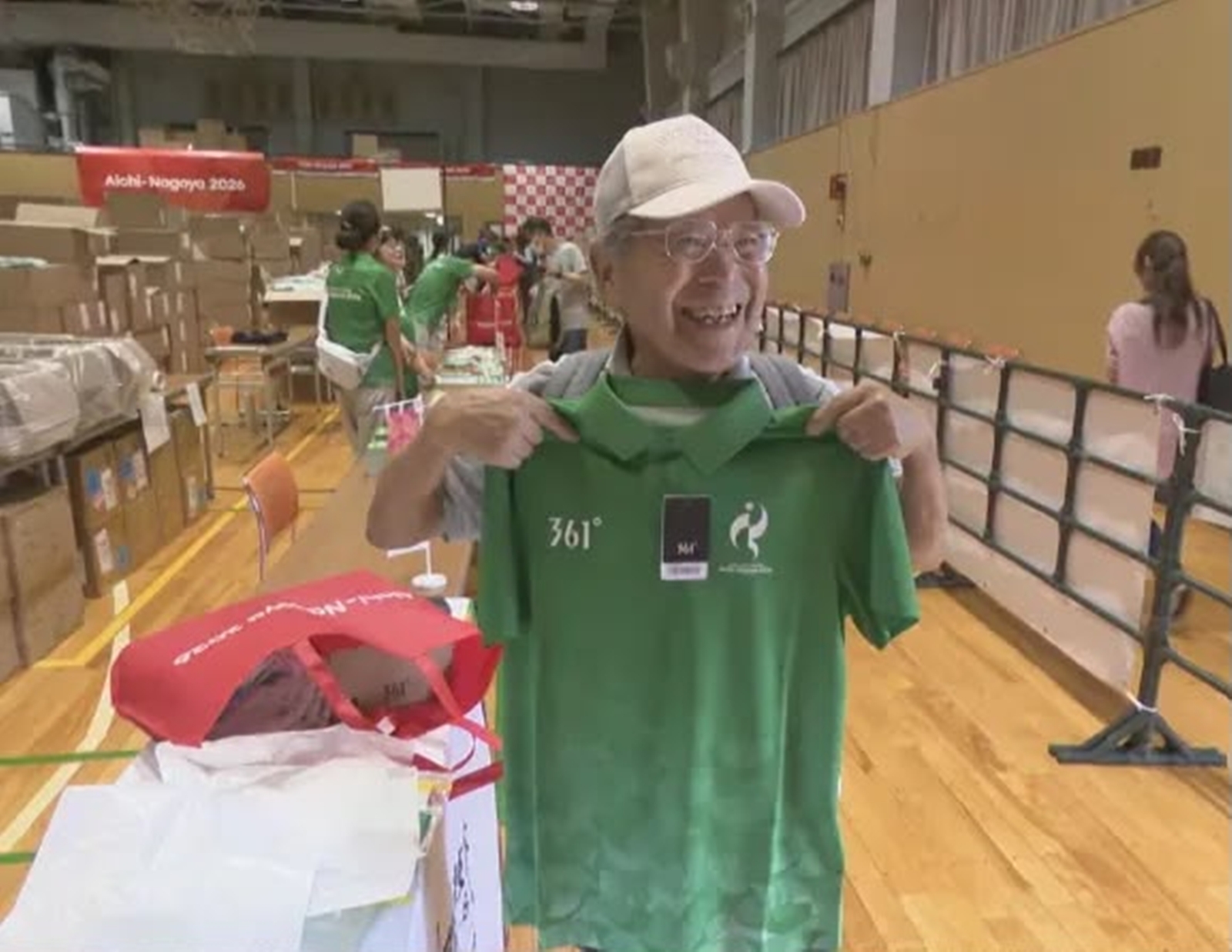 91-year-old Hiroisa Anraku was the oldest volunteer at the Asian Games.
Some look old enough to be my grandparents. And yet they are here, wearing their volunteer uniforms and doing the most ordinary jobs required to make a giant sporting event work.
A few I speak to say they wanted to volunteer at the Tokyo Olympics. The pandemic took that opportunity away. So they are here now.
Day 8: Of flavoured KitKat and sake
The shooting qualification hall is buzzing with athletes, coaches, officials and the usual post-event shuffle. An Indian shooter finishes his event, opens a matcha-flavoured KitKat and starts eating it.
Story continues below this ad
Then comes the story. The previous evening, he accidentally tries the sake-flavoured KitKat. “It tasted so bitter. Tasted like desi daaru (country-made liquor).”
He laughs. One finger, apparently, is enough. He tries it once and decides that is quite enough Japanese alcohol for the rest of the trip.
Day… I lose track: A little Brazil in Toyota
Toyota is supposed to be the land of cars. Instead, somewhere between the factories and farms, there is a little piece of Brazil.
I know it is Brazil because a football (‘futbol’, rather) base sits amid open farmland, with low buildings, fields and long stretches of green around it.
Then I start noticing the signs. Portuguese. On trains. On hoardings. Around the neighbourhood. Some 60,000-odd Brazilians live in the Aichi prefecture, the highest of any prefecture in Japan. The Brazil-town is not announced with a grand landmark. It is simply there, woven into the landscape.
For a few minutes, rural Japan feels slightly Brazilian.
Look up: A city’s fight against screen time
I watch the queue inch forward, but almost nobody looks up. Heads are bowed, thumbs flicking, faces lit by the glow of phone screens. A few feet away, people are waiting together, yet each seems to be somewhere else.
It feels familiar. We see the same thing all the time in India. But here in Japan, at least one politician has decided to do something about it. Or, more accurately, try.
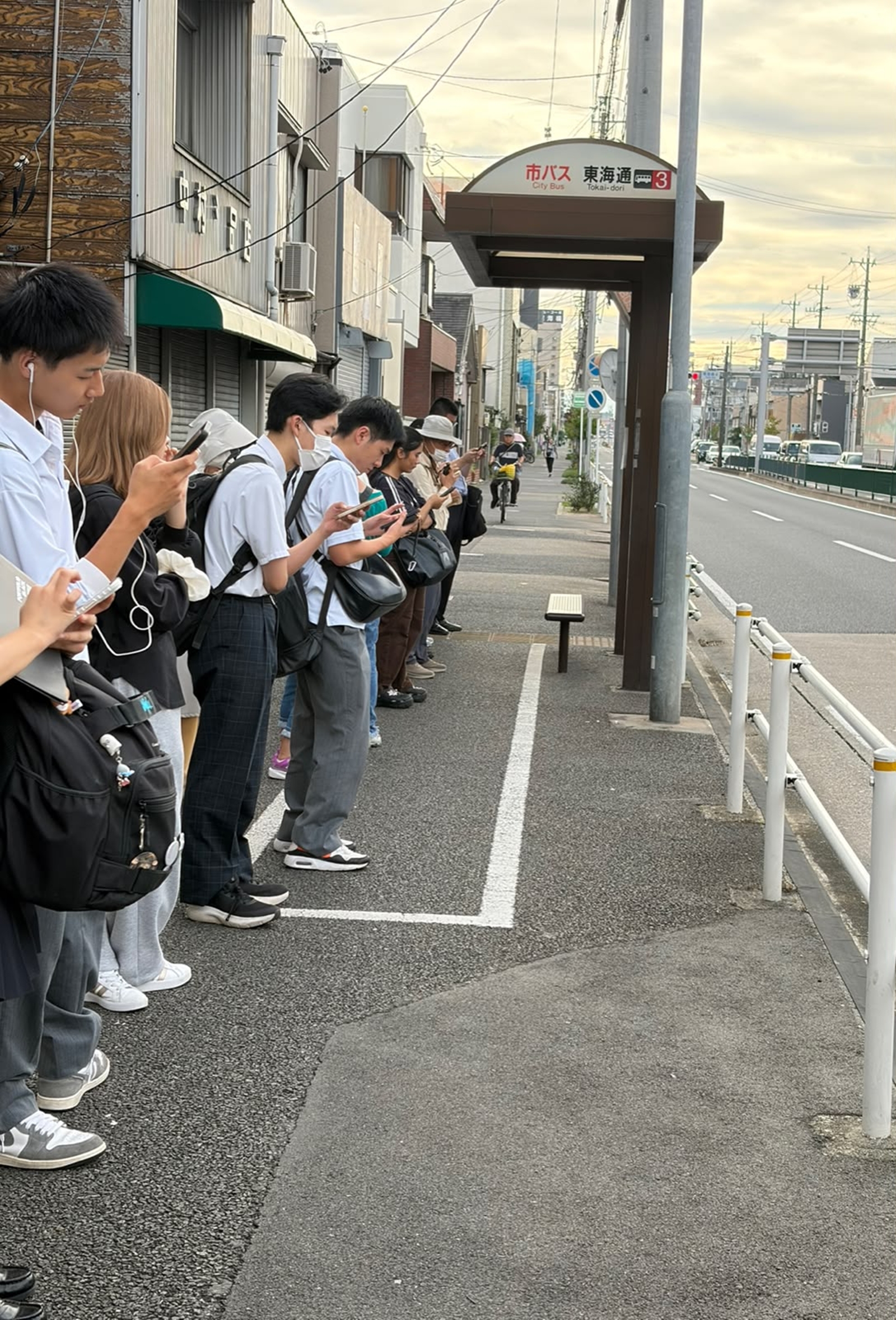 Heads are bowed, thumbs flicking, faces lit by the glow of phone screens. A few feet away, people are waiting together, yet each seems to be somewhere else.
In Toyoake, a city in Aichi, the local government introduced a guideline last year encouraging residents to keep leisure-time smartphone and electronic-device use to about two hours a day. It isn’t a ban, there are no penalties, and the city isn’t asking people to abandon their phones. The idea is simply to make them look up a little more.
The concern, the mayor, Masafumi Koki, tells me, is what gets displaced by those hours: sleep, exercise, hobbies and face-to-face conversations. “A survey conducted among residents revealed that there is a certain correlation between prolonged smartphone usage and feelings of loneliness,” Koki says.
A year on, the city is still trying to find out whether the experiment has worked. “With 43.2 per cent of participants reporting some behavioural changes or shifts in awareness following the enactment of the ordinance, it is viewed as having been sufficiently effective,” Koki says.
When the Games leave
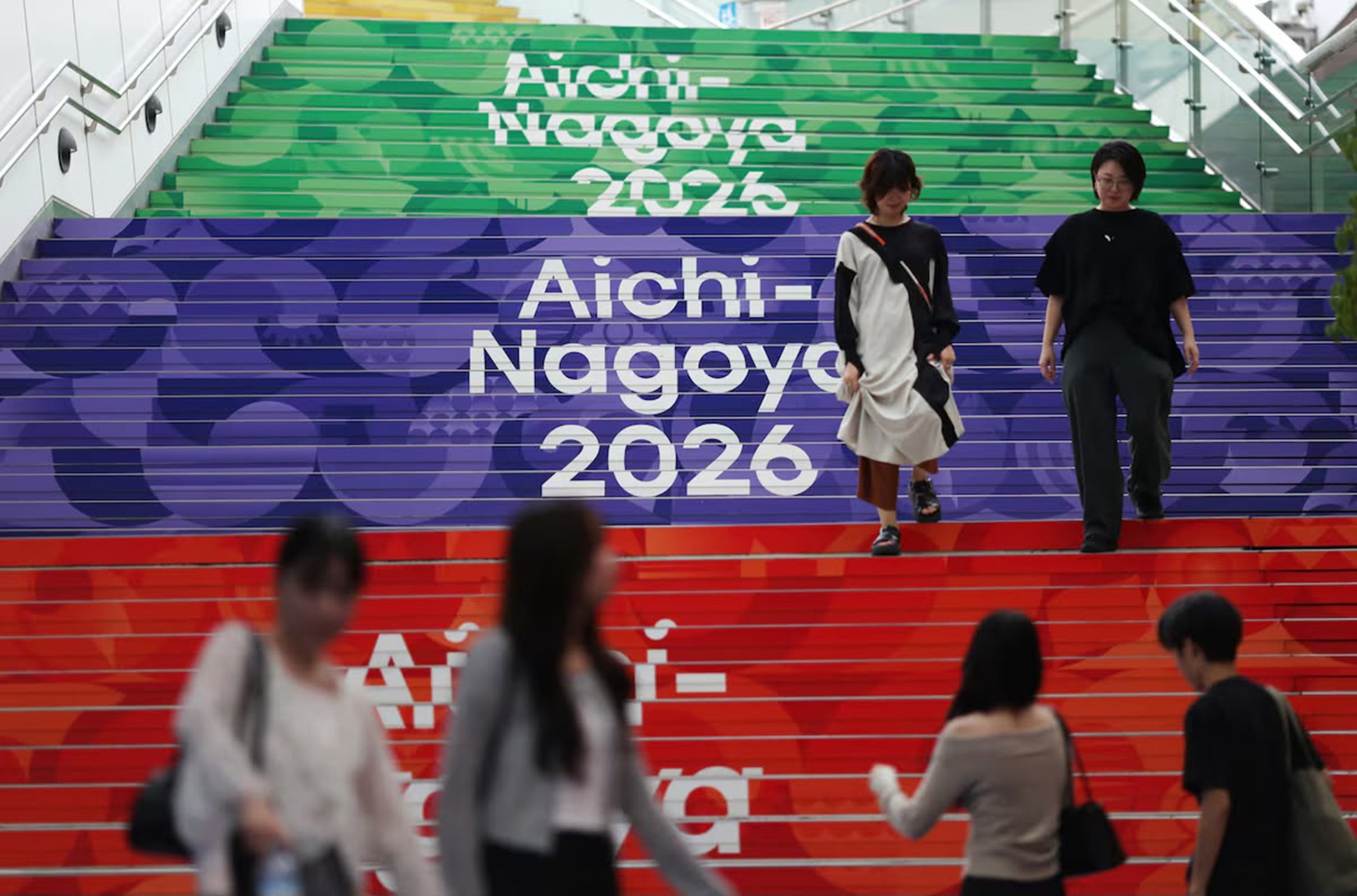 There are no crowds spilling into the streets. No obvious sporting frenzy. No sense that the city has been taken over by the Games.
Usually, the last day of a Games feels like a small bereavement. The venues begin to empty. People who have shared trains, buses, press tribunes and hurried coffees for a fortnight begin saying their goodbyes.
There is usually a strange emptiness in the air, the feeling that a little travelling circus is packing itself up and leaving town. This time, I don’t feel it. I don’t really feel sad that these Games are over.
Perhaps because these have been among the strangest Games I have covered. For much of the fortnight, I have had the feeling that Aichi-Nagoya does not really want to host the Asian Games, but is far too polite to say no. So it does what Japan does so well: accommodates. Tens of thousands of athletes, officials, volunteers, journalists and support staff arrive, and the city makes room for all of them.
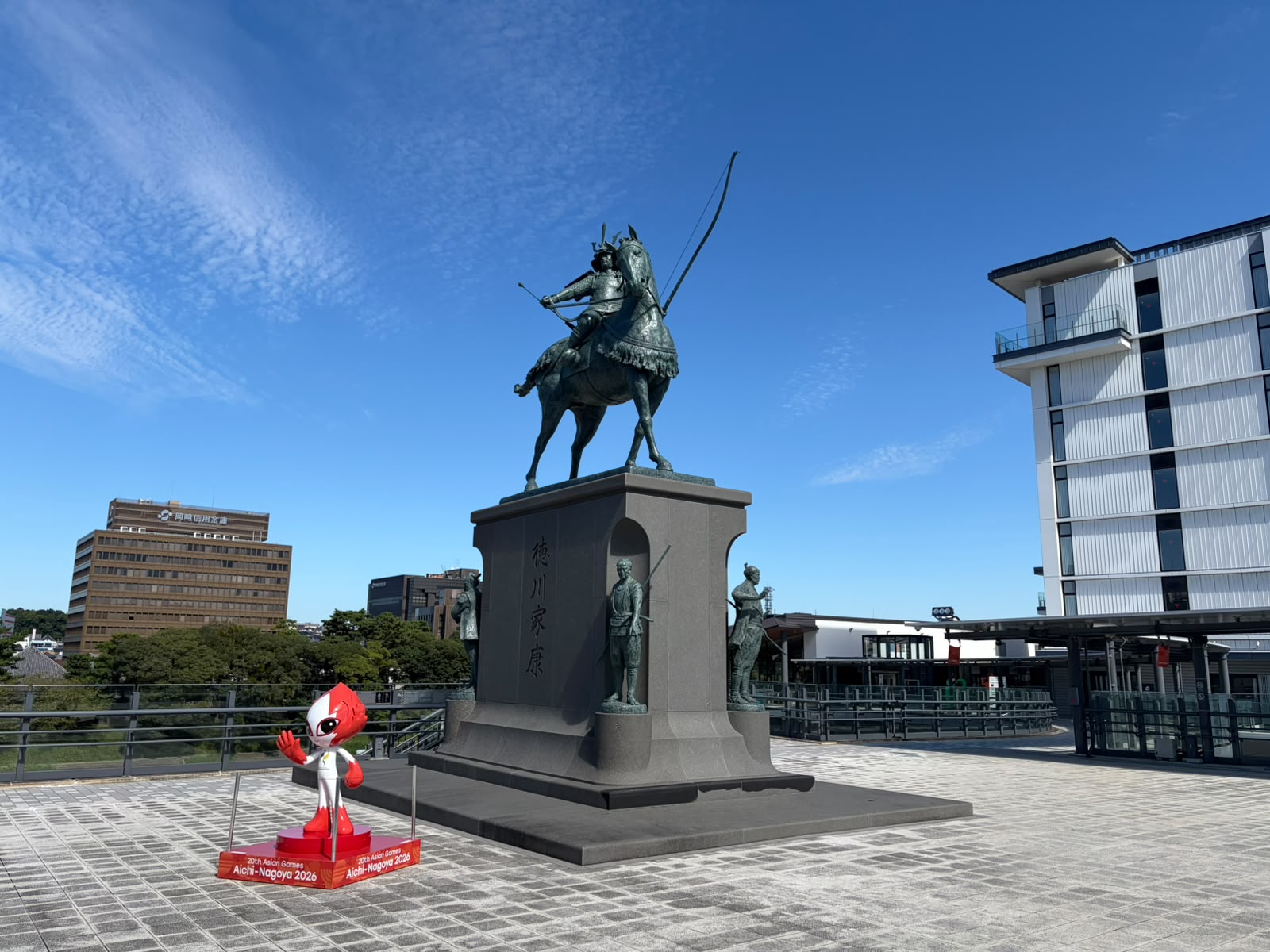 Asian Games mascot by the monument of Tokugawa Ieyasu, one of Japan’s unifiers, in Okazaki.
But it never quite feels as if the city is curious about them. People don’t seem particularly interested in discovering new sports or watching athletes from countries they know little about. The stands remain patchy. The city centre, around which almost everything here seems to revolve, never really feels as though an Asian Games is happening around it.
There are no crowds spilling into the streets. No obvious sporting frenzy. No sense that the city has been taken over by the Games.
It’s strangely fitting then that at the closing ceremony, the biggest cheer comes when Qatar’s equestrian rider enters the stadium on horseback, takes the Asian Games flag, and then rides out with it.
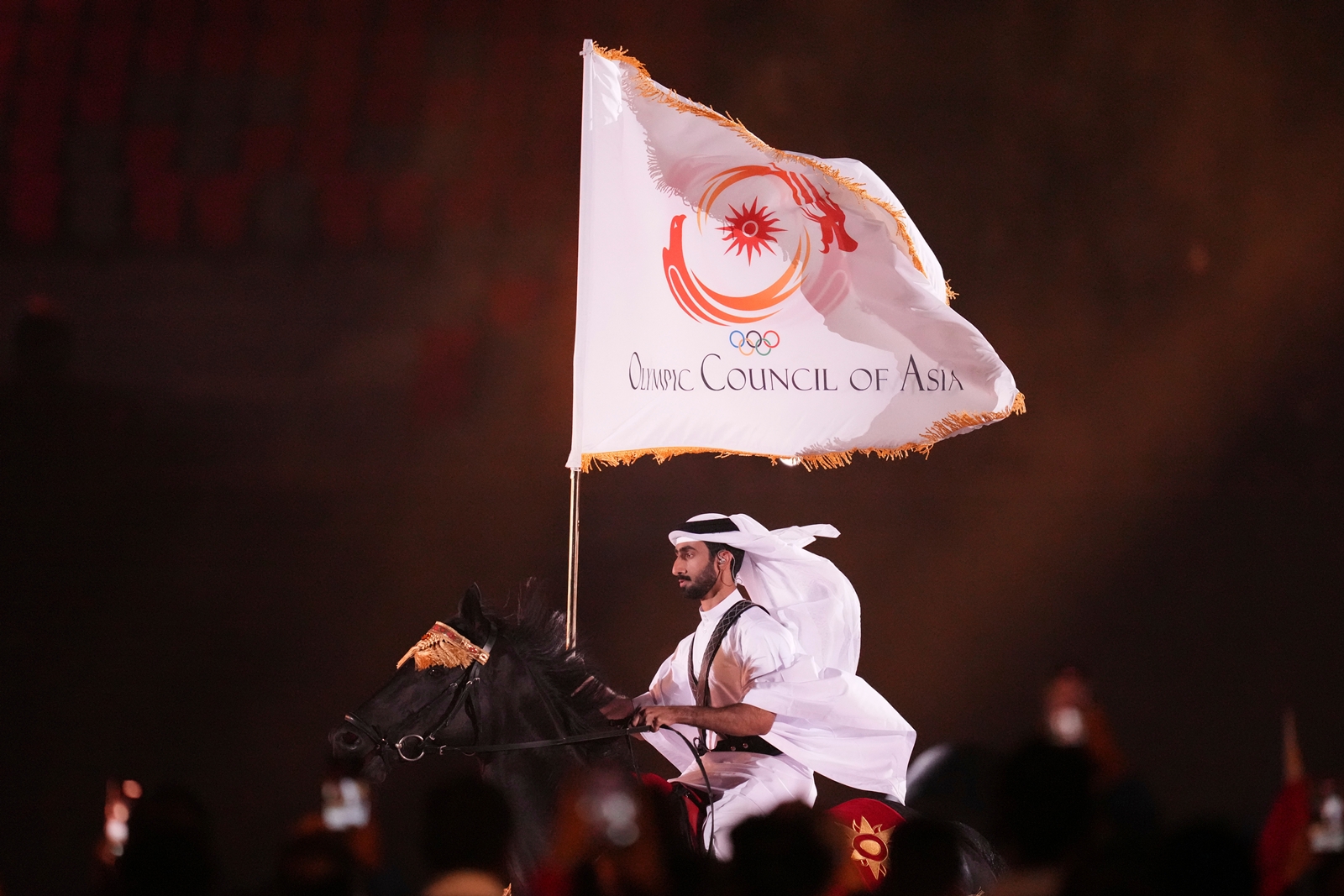 Qatar equestrian athlete Jassim Al Kuwari rides with the Olympic Council of Asia flag during the closing ceremony for the Asian Games in Nagoya
Maybe Nagoyans are simply thrilled by the sight of a horse. Maybe, for a brief moment, the spectacle finally cuts through. Or maybe they are happy that the fortnight is over.
On Monday morning, Nagoya gets back to being Nagoya. The trains fill up, and people head to work, as if the Games never happened.



Jorge Jesus won’t bend, and Cristiano Ronaldo cannot be bent
By Sohail Khan · 5 Oct
Leave a Reply