AI Alerts to ‘Plan Bee’: How Railways saved 255 elephants from train collisions in northeast
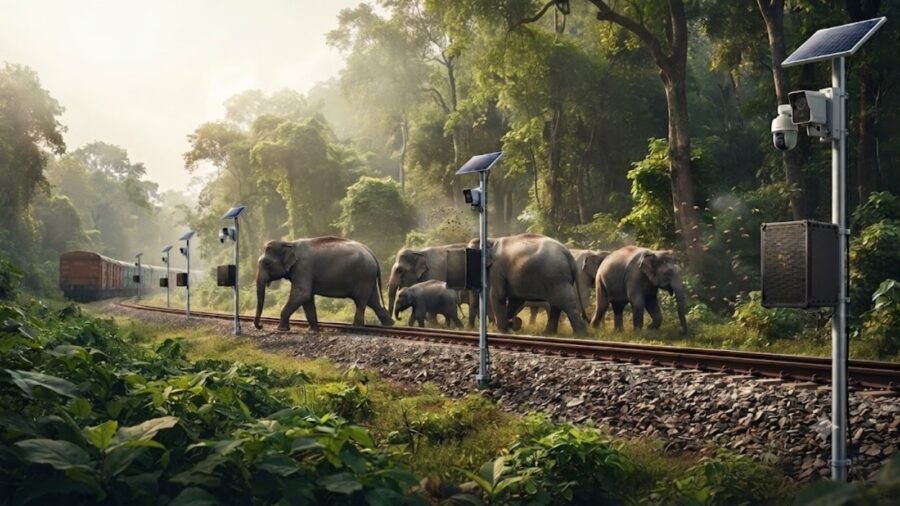
Northeast Frontier Railway (NFR) has used AI-based alerts, speed restrictions, enhanced patrolling and its ‘Plan Bee’ system to prevent train-elephant collisions. It helped in saving 255 elephants between January and September 2026.
According to Kapinjal Kishore Sharma, Chief Public Relations Officer, NFR, the elephants were saved across four divisions – Alipurduar, Rangiya, Lumding and Tinsukia – through timely interventions and coordination with the Forest Department.
“Timely interventions by NFR personnel helped save 255 elephants across its divisions, including 106 in Alipurduar Division, 14 in Rangiya, 122 in Lumding and 15 in Tinsukia Division,” Sharma said.
Story continues below.
Subscribe to see fewer ads.
How AI alerts are helping detect elephants near railway tracks
- AI-based Intrusion Detection System
One of the key measures adopted by NFR is an AI-based Intrusion Detection System (IDS) that uses Distributed Acoustic System (DAS) technology.
It provides real-time alerts when elephant movement is detected near railway tracks. This allows railway personnel to take timely preventive action and alert train crews in vulnerable sections.
The zonal railway is also using other measures, including temporary speed restrictions and night-time speed restrictions when elephant movement is reported.
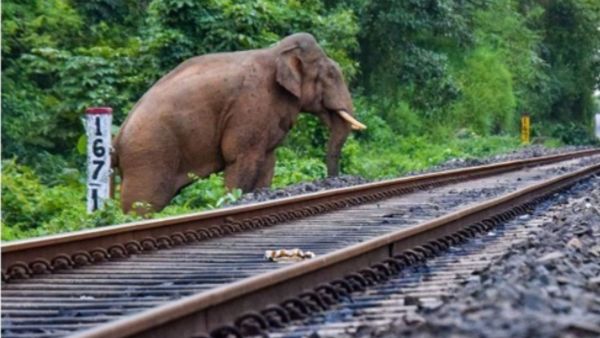 Elephants near railway tracks in the Northeast, where Railways are using technology and other measures to reduce collision risks.
- ‘Plan Bee’ used to keep elephants away from tracks
The railway has also installed the ‘Plan Bee’ system at vulnerable locations. The system uses amplified honeybee sounds to discourage elephants from approaching railway tracks. NFR has also taken up the construction of underpasses at identified locations to provide safer routes for wildlife and reduce the need for elephants to cross railway tracks.
Story continues below this ad
Along with these measures, railway teams are carrying out regular patrolling, clearing vegetation at vulnerable locations and installing cautionary signs.
- Train crews and passengers being sensitised
The Railways is also focusing on preventing human activities that could attract elephants towards railway tracks. According to Sharma, railway staff, train crews, pantry car personnel and passengers are being sensitised against throwing food waste near tracks, as discarded food can attract elephants and other animals.
The railway is also maintaining continuous communication with the Forest Department. “Continuous coordination and real-time communication with the Forest Department further enable timely action whenever elephant movement is detected,” he said.
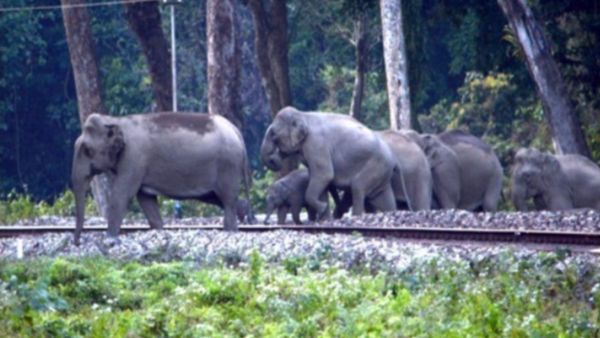 AI alerts, speed restrictions and ‘Plan Bee’ are being used to keep elephants away from railway tracks
Probe of train-elephant collisions
The CPRO also added that all cases involving train-elephant collisions are treated seriously and investigated according to prescribed safety procedures.
Story continues below this ad
“All cases involving train–elephant dashing are treated with utmost seriousness and investigated as per the prescribed safety procedures. NFR continues to strengthen technology-based monitoring, frontline vigilance and coordination with wildlife authorities to protect elephants while ensuring safe and efficient train operations across the Northeast,” he said in a statement.

Rajya Sabha polls: BJP fields Dinesh Arya from Uttarakhand, Koel Mallick from Bengal
By Sohail Khan · 4 Oct

Leave a Reply