X user shares long recovery journey after getting dengue thrice in 18 months: ‘Mosquitoes have a type’
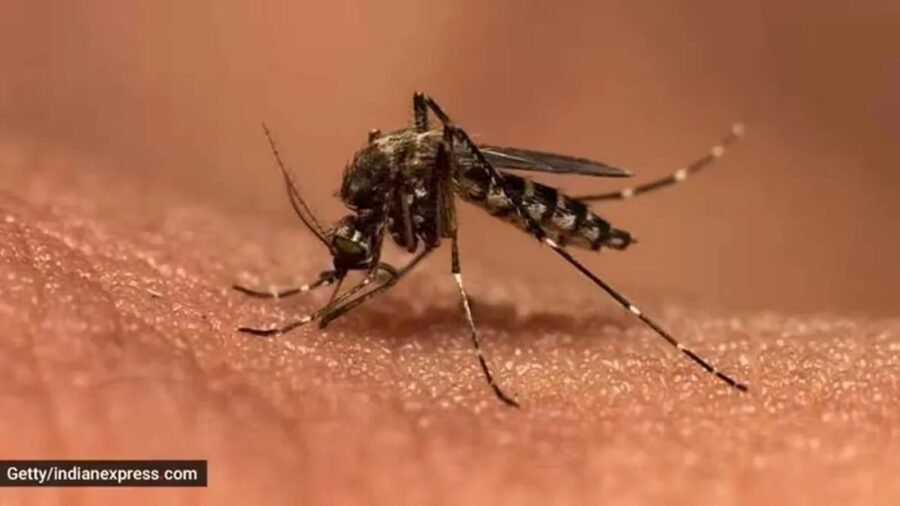
Amid rising cases of mosquito-borne diseases, an X user highlighted her case of getting dengue thrice in 18 months. “After getting dengue thrice in 18 months, I started reading about why mosquitoes were biting only me and no one else. Turns out, they have a type, and they don’t bite everyone. Took 6-7 months for me to recover each time, only to get it again. I seem to be in forever dengue recovery mode along with migraines that kept restarting because of it. Been 2 months now, and I still feel sick AF. Hate these fcking mosquitoes,” she wrote on her handle @Dhichkyaaon.
To understand more, we reached out to experts.
Dr Harish Chafle, senior consultant chest physician and bronchoscopist at Gleneagles Hospitals, noted that getting dengue three times in 18 months is possible, though uncommon. “Dengue is caused by four different but related virus types—DENV-1, DENV-2, DENV-3 and DENV-4. Infection with one type gives long-lasting protection against that particular type, but the protection against the other types is not permanent. This means a person can potentially get dengue again if exposed to a different type of the virus,” explained Dr Chafle.
However, it is important not to assume that every episode of fever is dengue, he apprised. “A person who has had dengue recently may continue to have antibodies for some time, and some tests can remain positive even after the infection has passed. Therefore, repeated episodes should be confirmed with the appropriate tests and evaluated by a doctor rather than diagnosed based only on symptoms or a single antibody test,” said Dr Chafle.
 Here’s what you should consider
Having dengue more than once also does not mean that every subsequent infection will automatically be severe, Dr Chafle noted. “In fact, the risk of severe dengue is particularly higher with a second infection involving a different virus type, although any dengue infection can become serious. Warning signs such as severe abdominal pain, persistent vomiting, bleeding, extreme weakness, breathing difficulty or worsening symptoms after the fever settles require urgent medical attention,” Dr Chafle told indianexpress.com.
Can mosquitoes really “choose” to bite some people more than others?
Yes, affirmed Dr Sundar Krishnan, senior consultant, internal medicine, KIMS Hospitals, Thane, and said mosquitoes can be more attracted to certain people because of cues such as the amount of carbon dioxide they exhale, body heat, sweat, skin odour, and other chemicals on the skin. “Genetics may also play a role. So, if someone feels they are constantly being bitten while others nearby seem untouched, there can be a biological explanation. However, more mosquito bites do not automatically mean a higher risk of developing dengue,” said Dr Sundar.
Does blood group determine who will get dengue again?
According to experts, there is currently no reliable evidence to say that one particular blood group is destined to have recurrent dengue. “Some research has suggested differences in susceptibility or disease severity between blood groups, but the findings are not consistent enough to use blood group as a predictor. Exposure to infected mosquitoes remains the key factor,” said Dr Sundar.
Story continues below this ad
What should someone watch for during recovery?
Fever settling does not always mean complete recovery. “Fatigue, weakness, headaches, poor appetite and reduced stamina can persist for some time. But severe symptoms, worsening or continuing for weeks, should not simply be labelled “post-dengue”. Recurrent fever, persistent vomiting, abdominal pain, bleeding, breathlessness, confusion or severe weakness warrant medical evaluation,” said Dr Sundar.
View this post on Instagram
A post shared by Rahul Khanna (@mrkhanna)
How can someone protect themselves from another infection?
The most important step is preventing mosquito bites. “Use an effective mosquito repellent, wear full-sleeved clothing, use screens or mosquito nets and keep doors and windows protected where possible. Eliminate stagnant water in coolers, pots, tyres and other containers around the house. Prevention needs to continue even when there is no dengue outbreak because Aedes mosquitoes can remain active in residential areas,” said Dr Sundar.
The best protection remains preventing mosquito bites and reducing mosquito breeding around homes and workplaces, added Dr Chafle.
What is one thing people often overlook?
People tend to focus on treating dengue after infection, but preventing the next mosquito bite is equally important. “If dengue has occurred repeatedly, take persistent symptoms seriously and have them assessed rather than assuming every headache or episode of fatigue is simply part of recovery.”

40 years ago, October 1, 1986: First-ever Asiad gold for Usha
By Sohail Khan · 1 Oct
India’s elderly women need better social security cover
By Sohail Khan · 1 Oct