The School Where Students Do Farmwork and Chores—and Pay $40,000 a Semester
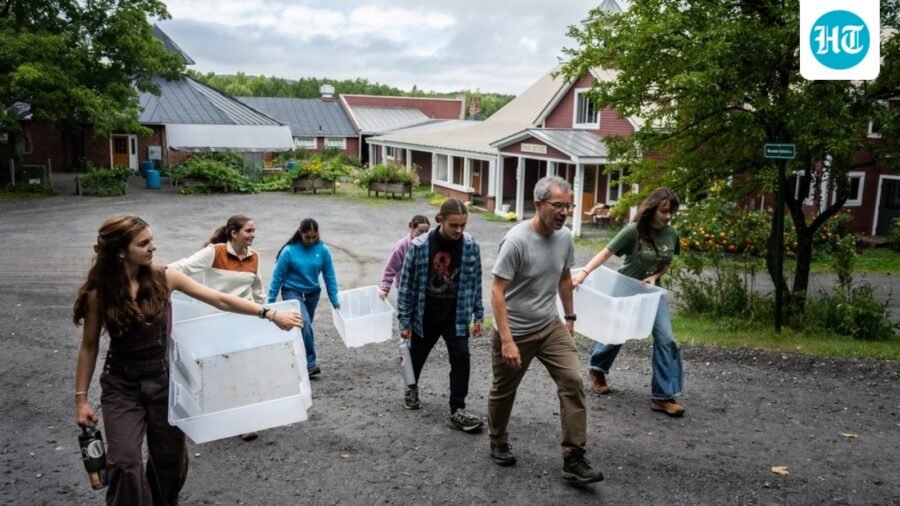
High-schoolers attending the Mountain School seek a reprieve from tech and a college-application boost from washing dishes, herding sheep and harvesting corn.
Updated on: Sep 15, 2026, 15:36:51 IST
Prefer HTon Google
Share via
Copy link
VERSHIRE, Vt.—At the semesterlong Mountain School program, families pay $40,000 for their teens to do chores on a farm in rural Vermont.
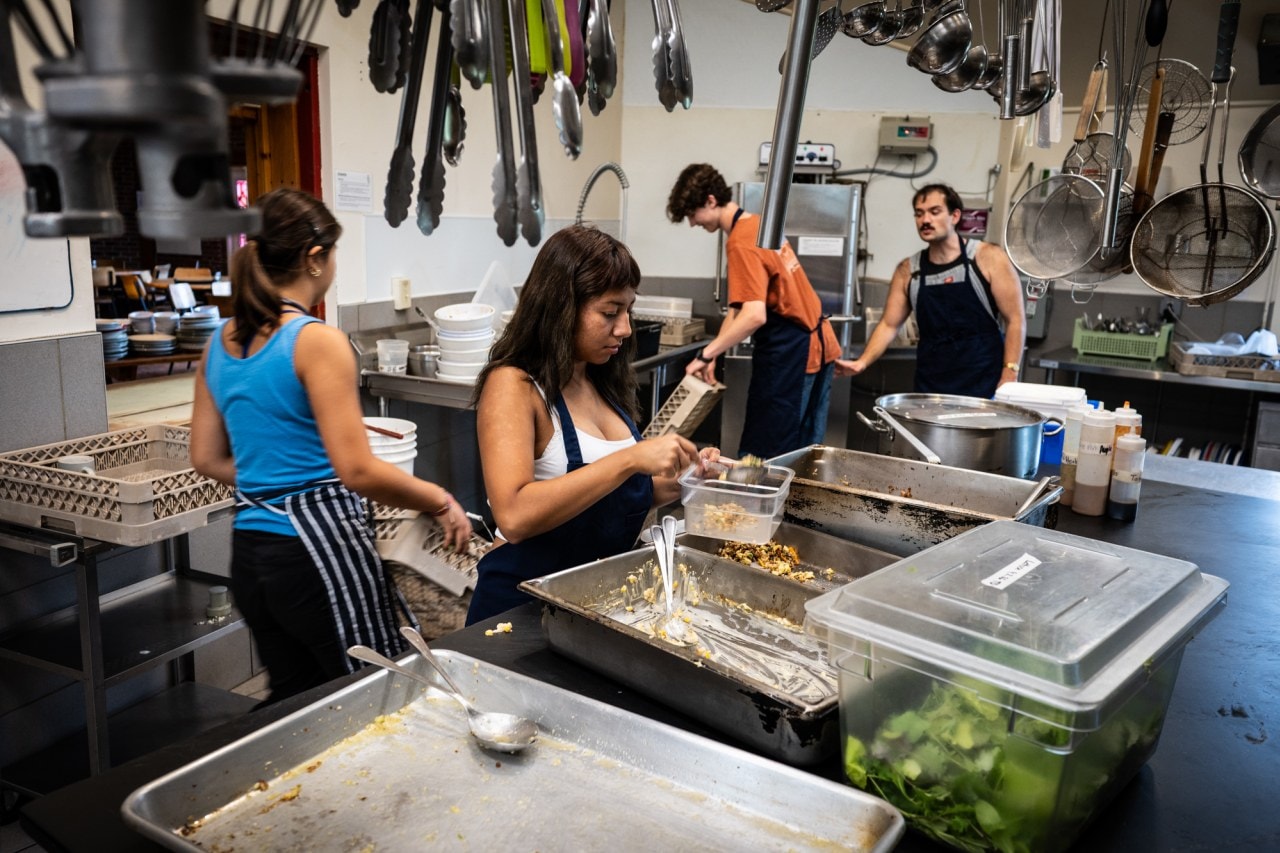
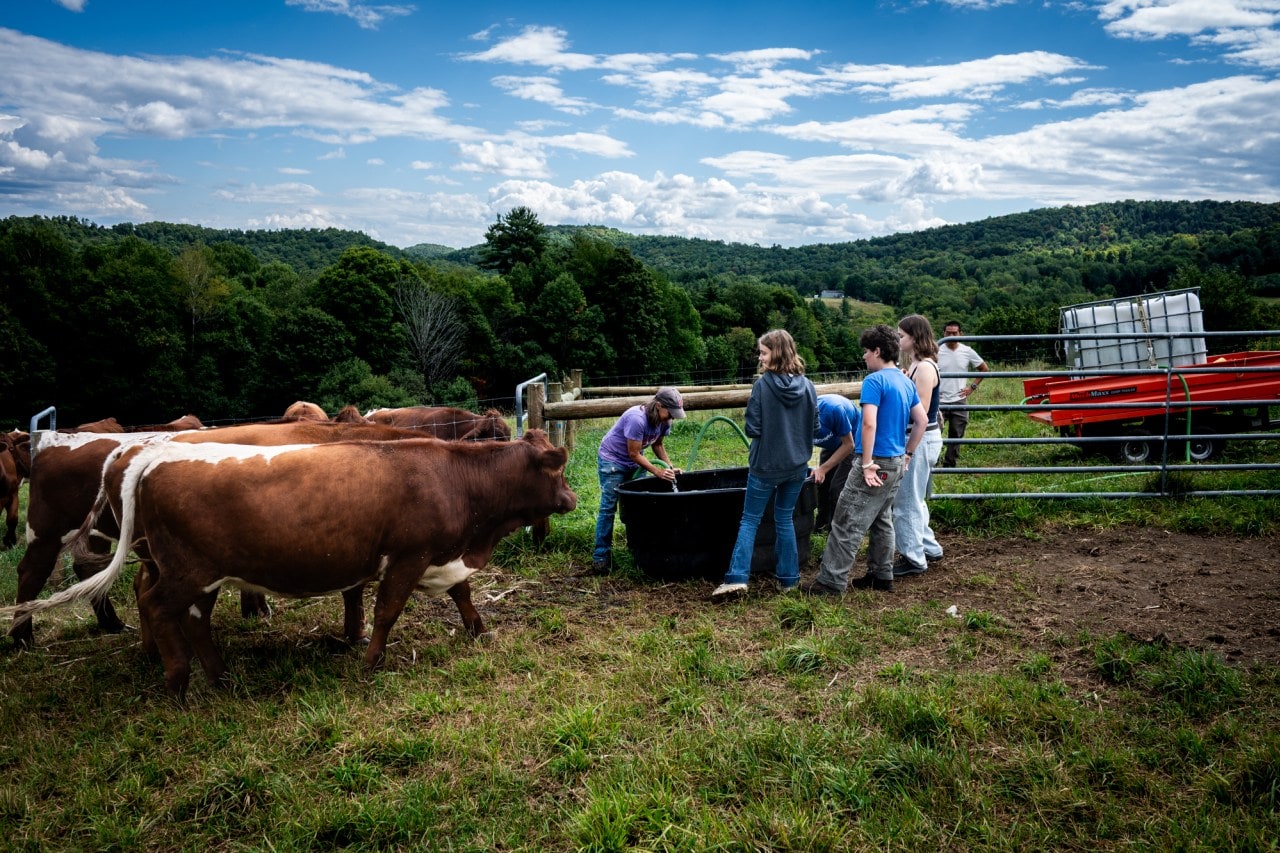
Three times most days, groups of high-school juniors scrape, scrub and stow kitchenware and cutlery. They’re responsible for “commons work”—cleaning classrooms, prepping vegetables and checking irrigation systems. They also do farmwork, like harvesting corn, herding sheep, caring for cows and chopping wood.
“It’s fun,” student Max Sherman said of washing dishes. A sign outside the bathroom noted he recently cleaned the compost toilet for a week, and it encouraged peers to thank him if the facilities were nice or “get at them” if they were gross.
Some students and alums consider the Mountain School a secret path to top universities, part of an increasingly competitive college-admissions atmosphere. Other families are seeking a wider perspective beyond traditional schooling and a rare reprieve from technology. Some students come from privileged backgrounds and weren’t asked to do many chores at home. Director Alex Myers has seen teens try to sweep without touching the broom to the floor; he has to intervene to correct them.
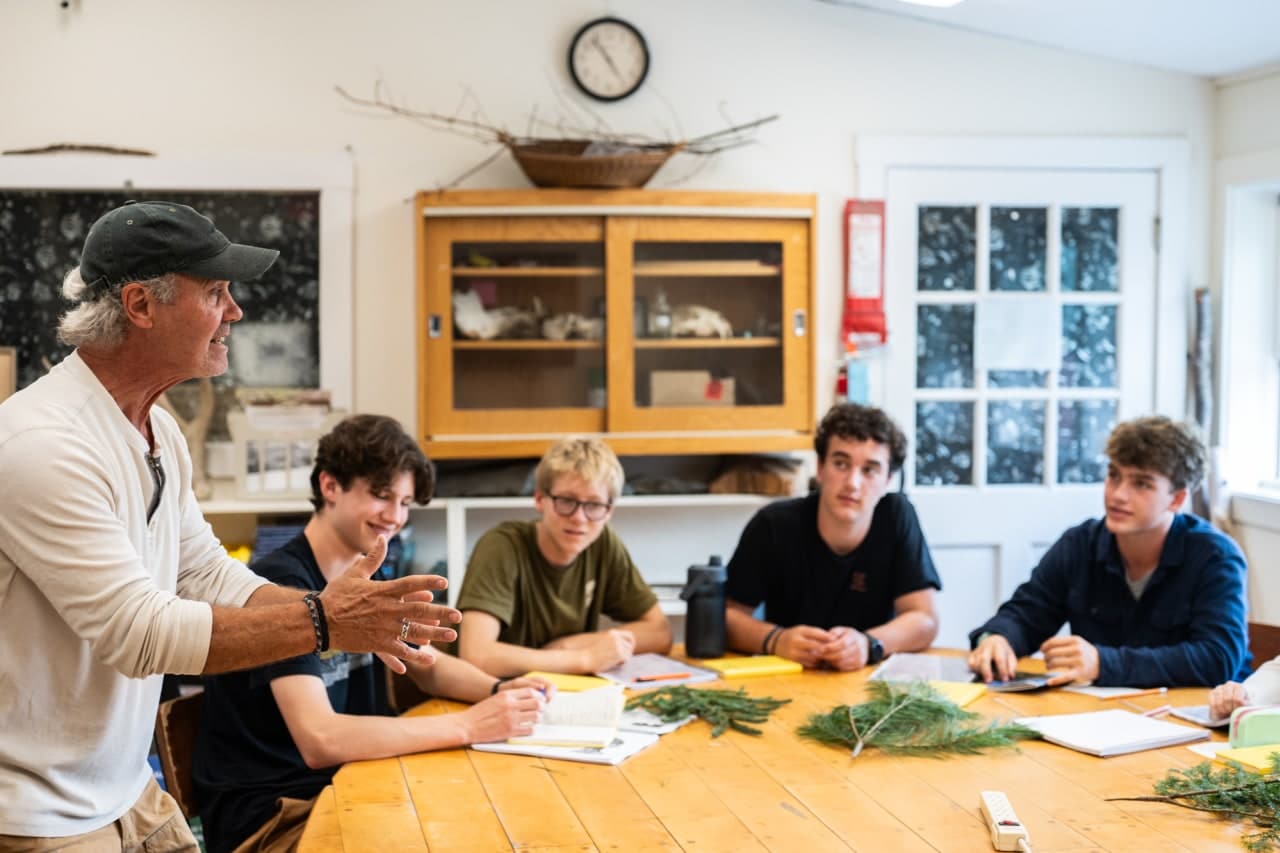
Across the 418-acre campus, everybody pitches in, including faculty. One goal: Students learn to appreciate the people doing these tasks in every community.
“I don’t think of it as chores,” said Thomas Whitney, father of a current student and a Mountain School alum himself. Another key aim is “learning to be an adult.”
His daughter, Estela Whitney, was tasked with feeding food scraps to the piglets and refilling their water. Once, she was hours late and the pigs were hungry. “I’m going to be a lot more careful to not make that mistake again,” she said.
She hopes attending the Mountain School, which draws high-achieving students from around the country, will help distinguish her college applications. The curriculum includes rigorous academic options, like AP Calculus, in addition to practical and outdoorsy courses, such as “creative handiwork” and environmental science.
“I have good enough grades to get into a good college, but I want something that’ll make me stand out,” she said. She lives in Buenos Aires but wants to attend college in the U.S.
On the Mountain School’s Instagram account, tucked between photos showing students hiking and tending to lambs, is a post highlighting recent attendees’ acceptances to Harvard, Brown, Dartmouth and UC Berkeley, among other colleges.
The program has a “badass track-record,” said Leland Whitehouse, director of admissions and a Mountain School alum. The school is owned by Milton Academy, an elite Massachusetts boarding and day school.
After college, many alums enter corporate jobs. “We are well-represented at Goldman Sachs,” Myers said.
‘Hugging a tree’
The Mountain School pioneered the high-school semester program in the 1980s. Others followed suit, and today charge comparable prices. At Island School in the Bahamas, students scuba dive to study marine biology and sustainability. Young people go white-water rafting at the Alzar School, which splits time between Idaho and Chilean Patagonia.
Myers said around 30% of Mountain School students receive financial aid. The program signals to college-admissions officers that students are willing to take a risk in service of learning, he said.
In a recent morning meeting, students heard announcements about the departure of a bull named Grover Cleveland (who was lent to the farm), a warning to avoid a raccoon named Timothy—and PSAT registration.
Few students arrive with farm experience. Liana Horster, the farm manager and instructor of a course called food systems, has watched students drop 50 seeds into a hole that only needed one. Kids had trouble identifying the roots of a plant, she said. This semester, she instructed a group of students picking green beans to be gentle and to do plank exercises to avoid back pain.
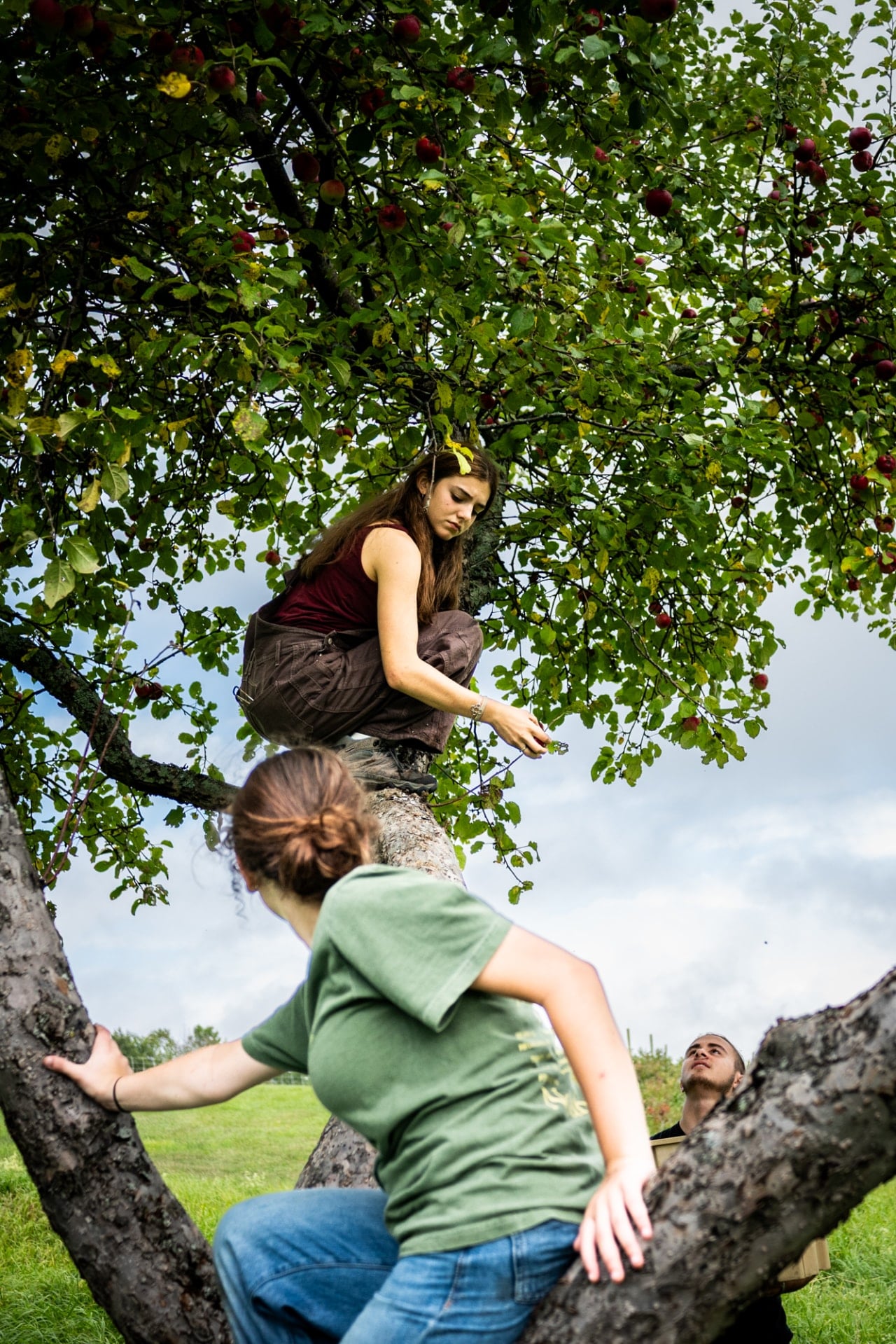
Another group, led by Myers, harvested corn and threw it to teammates holding bins. “Ewwww, there are bugs,” said student Cassie Scott, when she spotted earwigs in the husks.
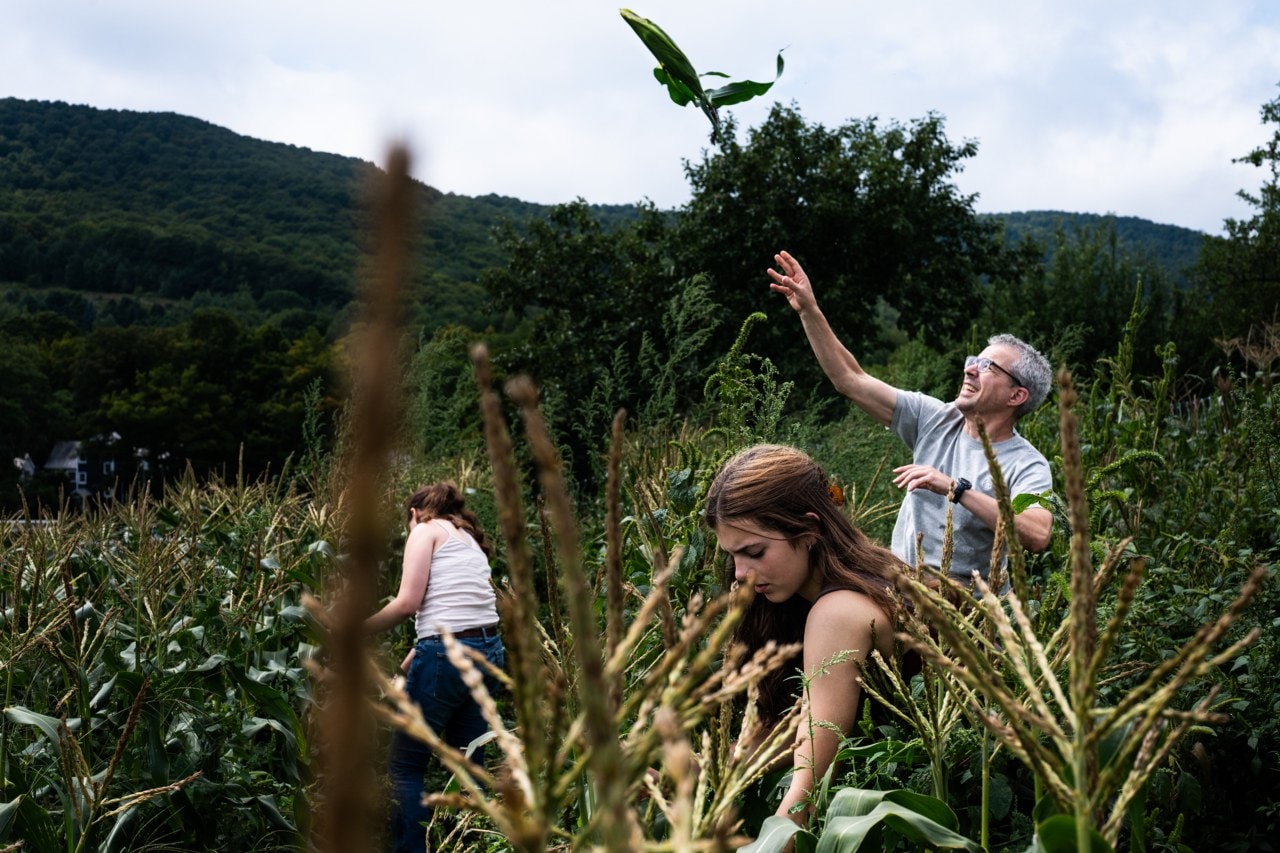
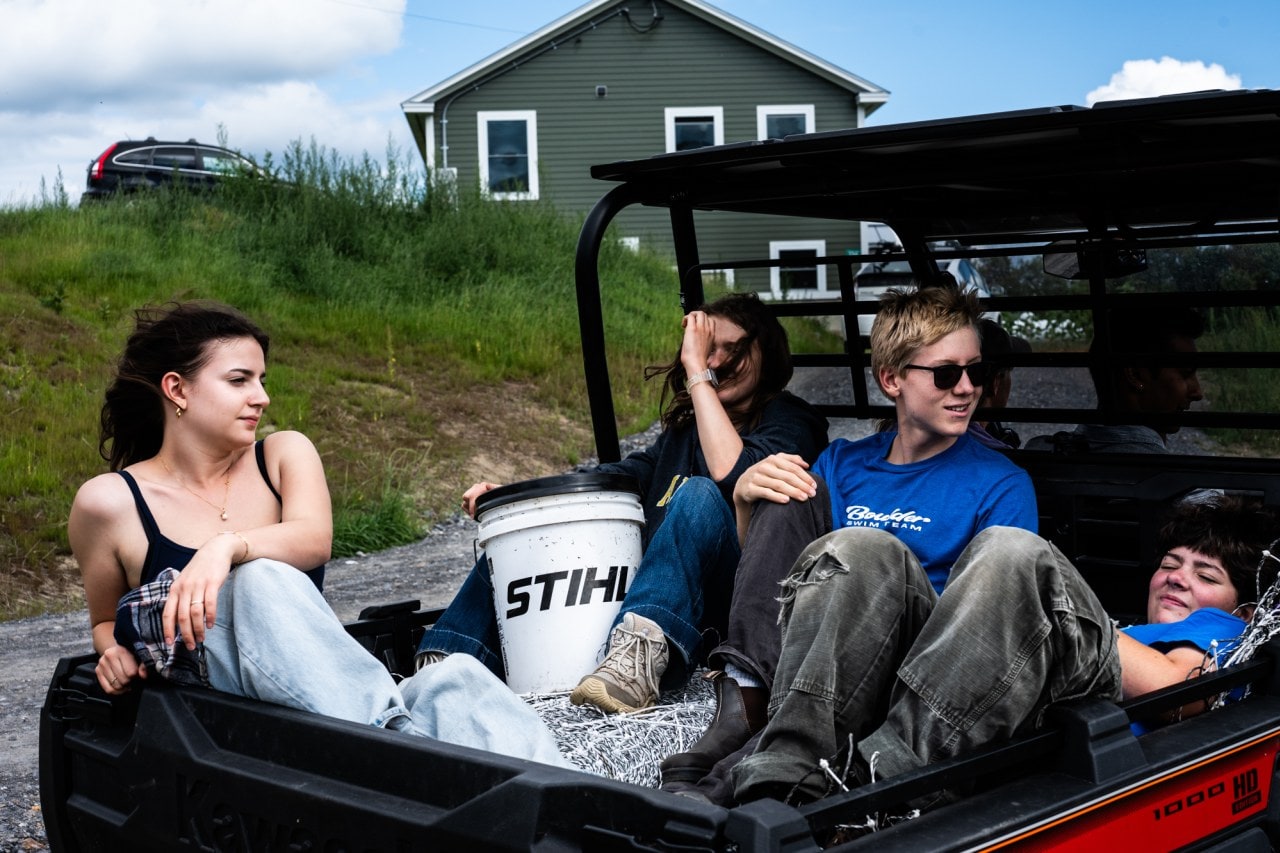
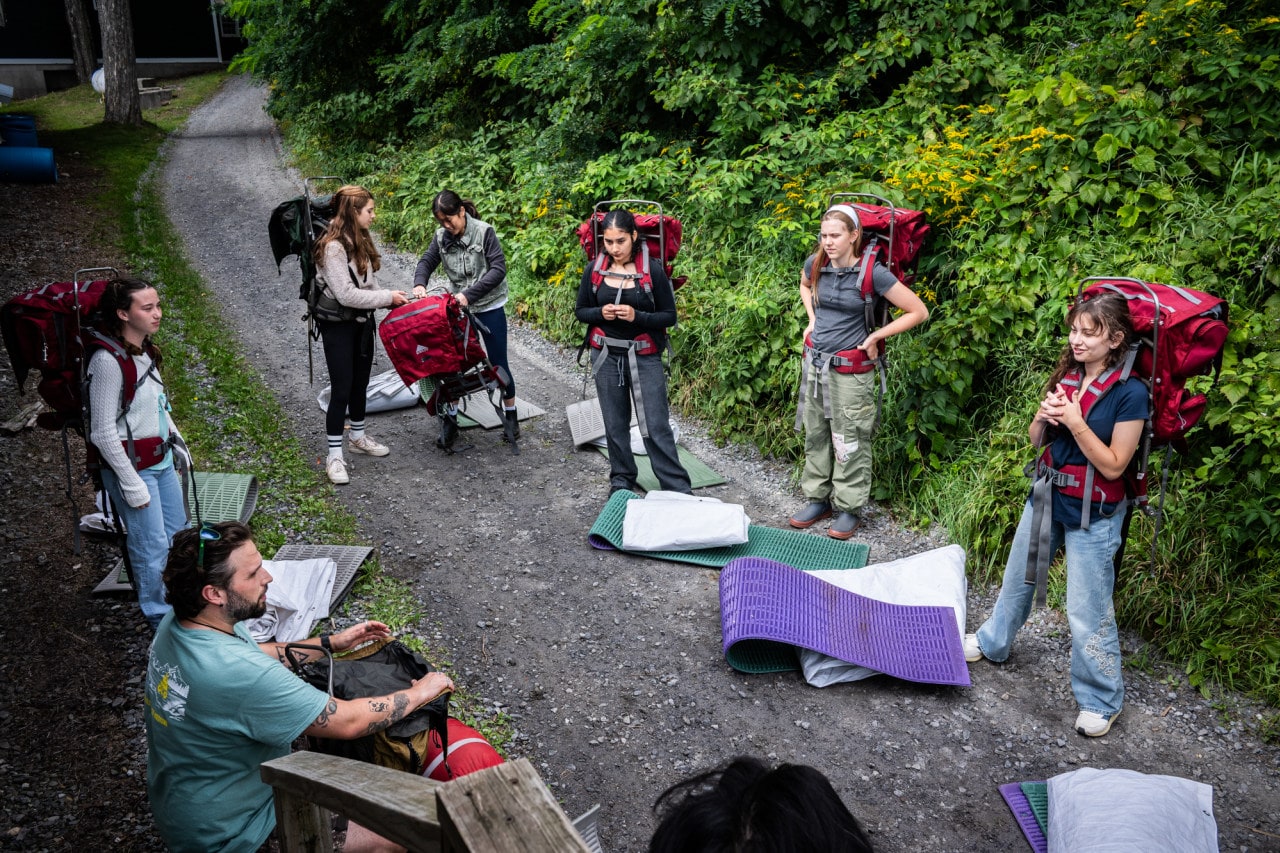
Myers then instructed them on climbing apple trees safely, and sent them out to pick apples for cider. “This is the closest I’ve been to nature in a while,” said Scott. “I’m literally hugging a tree.”
Students typically do farm tasks for eight hours a week, plus one “Farm Day” a semester, where they spend all day harvesting (in fall) or planting (in spring).
Students say they mostly signed up for the independent outdoor experience—but hope it helps them get into college as well. “That’s a side bonus,” said Theo Carman, a student.
Adam Nguyen, founder of college-admissions consulting firm Ivy Link, only advises students to apply to the Mountain School if it matches their interests and can lead to further results, such as a more mature essay or clearer academic direction.
“Admissions officers don’t reward expensive randomness,” Nguyen said. That “will backfire, for sure.”
For years, alums have written about these experiences in college essays. Kavya Krishnamurthy, from the spring 2021 semester, responded to a University of Chicago prompt about her archnemesis by describing a Mountain School chicken at war with her to protect its eggs.
Phone jail, and a solo hike
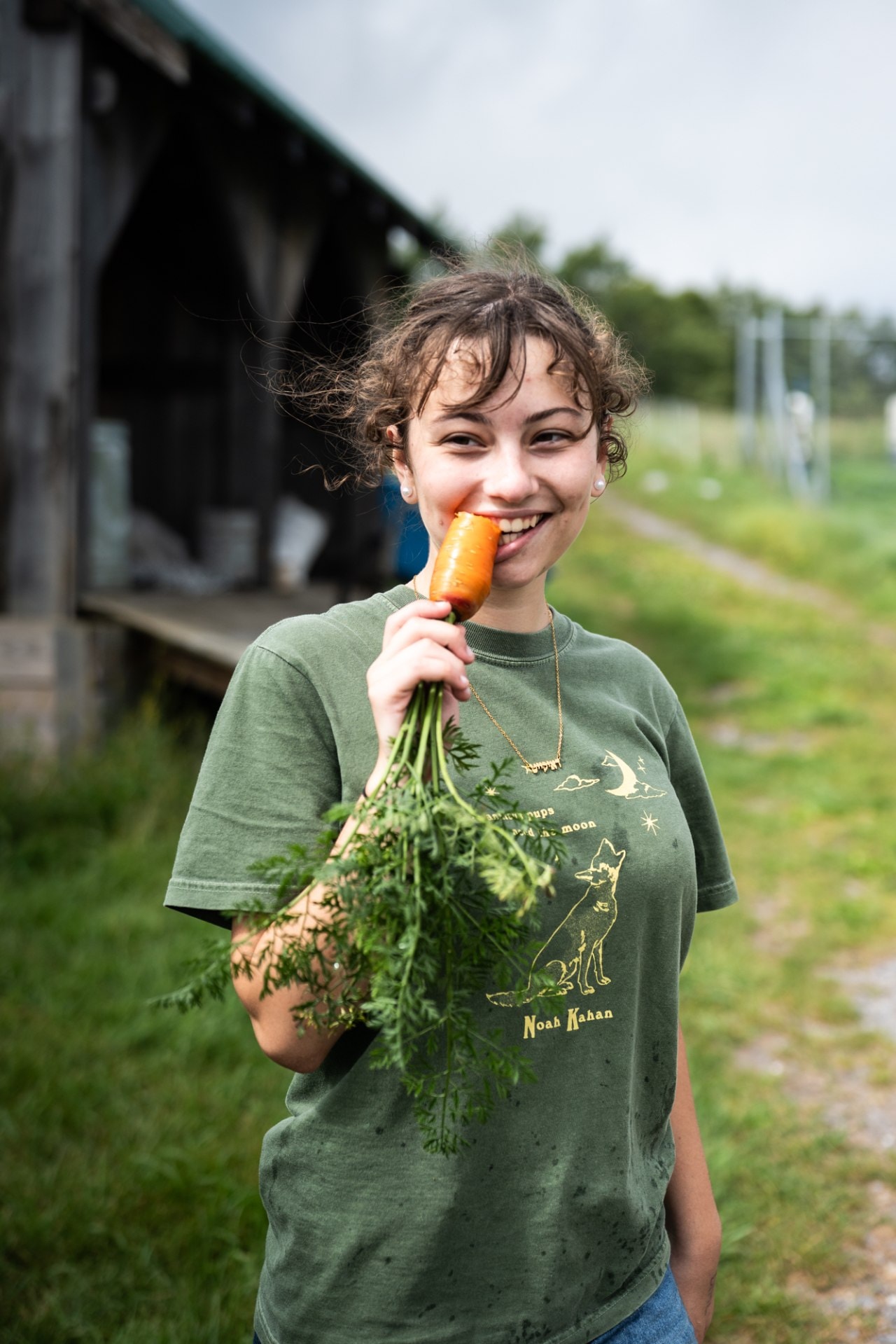
The Mountain School offers a break from usual plugged-in life. Students surrender their phones at the start of the semester, where they remain in phone jail for the duration. Laptop usage is limited largely to classwork, and the Wi-Fi is switched off every night in the main buildings (there is no internet in dorms).
Melanie Banders, mother of Sherman, said her son is happiest at summer camp without technology. She wanted him immersed in that kind of environment for a full semester, despite the big financial commitment for their family.
The technology cutoff is most apparent during the four-day, three-night solo trip in the wilderness. Students’ biggest fear on “solo” used to be encountering bears, but now it’s being alone with their thoughts, said Bruce Brough, a longtime faculty member.
Students must confront: “Who am I when I don’t have a screen?” said Myers.
By the semester’s end, some students say they don’t want their phones back. They share reflections—such as an “ode to the boiler” that keeps the buildings warm—and discuss “re-entry” into their previous lives.
Sarah Rosenberg-Scott, mom of Scott, likes the idea of her daughter cleaning toilets and doing chores, and hopes it’ll continue when she returns home. “I hope that she does have more insight into all of the unseen work that goes into our lives,” the mother said.
Write to Roshan Fernandez at roshan.fernandez@wsj.com
See Less

Kilmar Ábrego Garcia is set to be back in court as he battles deportation to Liberia
By Sohail Khan · 7 Oct
Former German spy chief arrested for attempted treason, obtaining state secrets
By Sohail Khan · 7 Oct