Slumping: a soft-coral threat
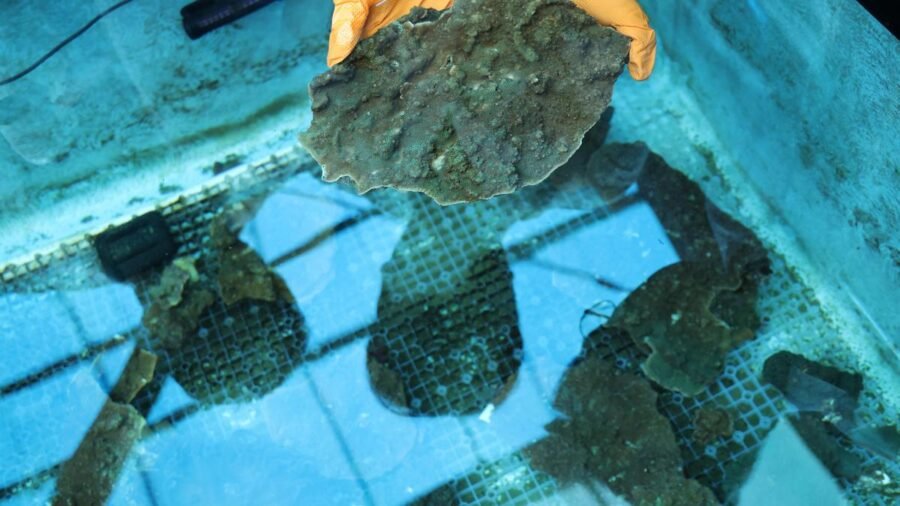
Ko Myeong-hyo loved the vibrant colour and thriving life of South Korea‘s soft corals when she first began diving off the coast of Jeju island six years ago, looking to harvest seafood for sale. “Watching the coral garden collapse and turn white, it was so disorienting,” Ko says now, after two years of rising temperatures and harsher weather brought by climate change have led to many corals slumping over and dying. “I was afraid the whole sea might be collapsing.”
The 'slumping’ phenomenon is showing up again this year, says the Paran Ocean Citizen Science Centre, a group of divers who monitor the island’s UNESCO-listed soft corals, mostly around uninhabited islets south of Jeju. Unlike hard corals supported by rigid calcium carbonate skeletons, soft corals rely on internal fluid pressure to keep upright. Environmental changes can disrupt that pressure, leading them to slump or collapse.
“If another large-scale ‘slumping’ happens, corals partially recover and then a lot break off and deteriorate again, and that keeps repeating, their capacity to recover just keeps declining,” said researcher Kim Taihun. Kim and Anna Beate Jöst, a colleague at the Korea Institute of Ocean Science and Technology, documented Jeju’s 2024 soft coral slumping event for the first time in a May article in the journal Scientific Reports.
Kim said this year’s event resembled that of 2024, but could worsen should high water temperatures persist through September, and the historic El Nino may trigger typhoons and heavy rains. Coral researchers say such weather conditions, plus water flowing down from China’s Yangtze River affecting the area’s salinity, can trigger slumping.

40 years ago, October 1, 1986: First-ever Asiad gold for Usha
By Sohail Khan · 1 Oct
India’s elderly women need better social security cover
By Sohail Khan · 1 Oct