Mouse vs rat: How to tell which rodent is in your home
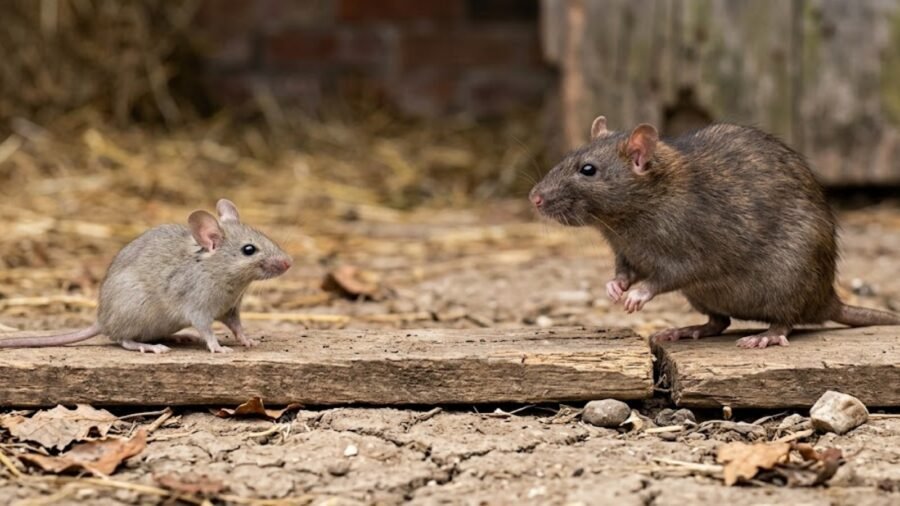
Spotting a rodent scurrying across the kitchen or hiding in a corner can be unsettling—but is it a mouse or a rat? While the two may appear similar, their physical features, size and potential health risks differ.
According to Dr Vinod Sharma, Head of Veterinary Services/Director, DCC Animal Hospital, knowing the basic differences can help identify the rodent and take appropriate precautions.
Mouse vs rat: How to tell them apart
The most obvious difference is size and body shape. Mice are generally smaller and more slender, while rats have a larger, stockier build.
Story continues below.
Subscribe to see fewer ads.
“A mouse has a small, slender body, a pointed snout, relatively large ears and a thin tail,” says Dr Sharma. Their droppings are also typically small and rice-like.
Rats, by contrast, have a more robust appearance. “A rat has a larger, stockier body, a blunt snout, smaller ears relative to the head and a thick, mostly hairless tail,” explains Dr Sharma.
Their droppings can also provide a clue. “Rat droppings are larger and capsule-shaped, compared with the smaller, rice-like droppings of mice,” he adds.
Story continues below this ad
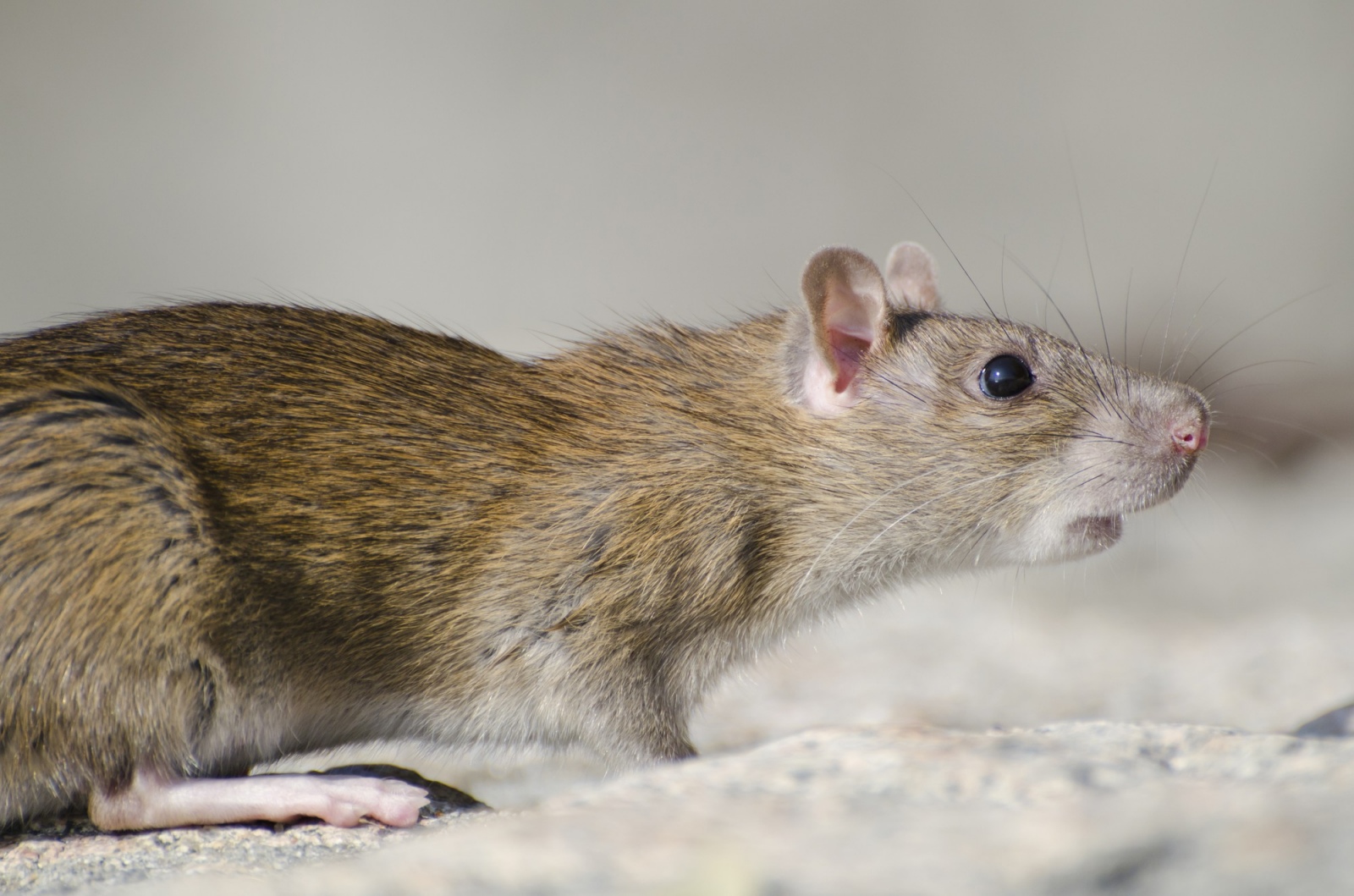 Mouse vs rat
Which is more dangerous?
While neither should be handled casually, rats are generally considered the greater health risk because of their larger size and their ability to contaminate more food and surfaces.
“Rats are generally the greater risk because they are larger, contaminate more food and surfaces, and are strongly associated with diseases such as leptospirosis, salmonellosis, hantavirus and rat-bite fever,” says Dr Sharma.
However, this does not mean mice are harmless. “Mice can also transmit serious disease, so neither should be handled casually,” he cautions.
How can rodents spread infections?
“They can spread infection through urine, droppings, saliva, bites, contaminated food and fleas,” says Dr Sharma. There is also a risk when cleaning up rodent waste incorrectly. “Dried waste or nesting material may also contaminate the air when disturbed,” he explains.
Story continues below this ad
This is why sweeping or vacuuming rodent droppings is best avoided, as it can disturb contaminated particles.
How to protect your home from rodents
“Seal holes and cracks; store food and rubbish in closed containers,” he advises. Keeping the surroundings clean and dry can also discourage rodents. “Keep areas clean, dry and uncluttered; remove standing water,” says Dr Sharma.
If you find droppings, avoid sweeping or vacuuming them. “Wet them with disinfectant, wait, then wipe while wearing gloves and a mask,” he recommends.
Finally, wash your hands thoroughly after cleaning or potential contact with rodents. “Seek medical care after a bite or possible exposure,” Dr Sharma advises.
Story continues below this ad
Explore more captivating stories about pets and animals here, and make us your daily stop for the latest from the animal kingdom.
Gandhi taught us: Dissent and disagreement are essential to the health of democracy
By Sohail Khan · 2 Oct
‘My HbA1c is 5.9% and FBS is 104 mg/dL. What do I do to bring them back to normal?’
By Sohail Khan · 2 Oct
For constituting poll body, a lesson from the UN
By Sohail Khan · 2 Oct