Inside Bollywood’s paid trolling industry: How crores are spent to destroy star reputations
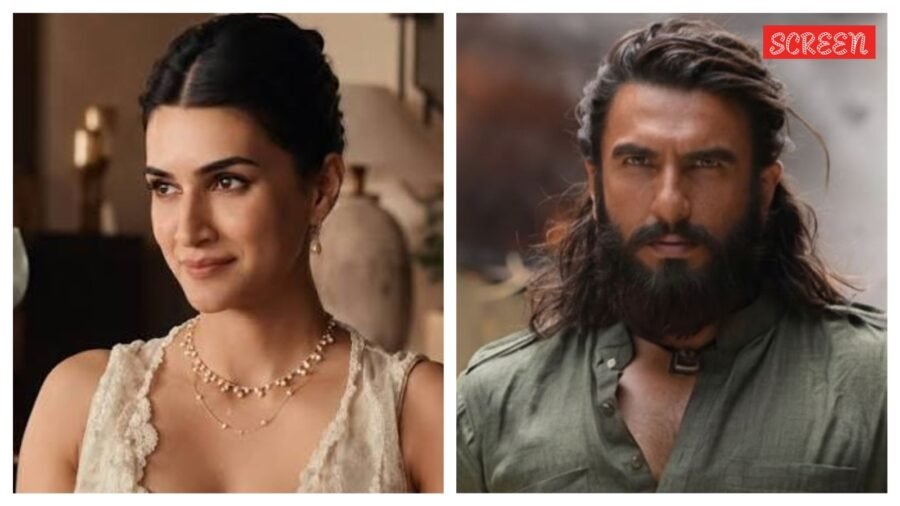
A young A-list film star shares pictures from his vacation. So does a young female student. A Reddit thread speculates whether they’re spending time together, given the seemingly identical background. A rival actor’s PR agency sniffs this coincidence, and speed-dials its ORM agency. Online Reputation Management agency, an increasingly crucial component of a celebrity’s PR machinery these days, no longer limits itself to creating buzz and damage control. It’s now tasked with the responsibility to bring another star down. Because reputation, particularly online, isn’t restricted to one’s own rising of ranks, but also to sabotage others.
In no time, the ORM agency activates its troll farm — an organized army of faceless voices hired to post and amplify fake, misleading, and defamatory posts on social media — masquerading as public perception. “Kartik Aaryan is dating an underage girl?,” flags a troll, flashing the profile of the girl, which states she’s 17 years old. Soon after, a counter-troll farm, claims that she’s in fact 18. The girl clarifies in her Instagram bio that she doesn’t know Kartik. But that didn’t matter anymore as the narrative reached a crescendo. And that is as insidious in the Indian film ecosystem today as is escalating entourage costs and corporate booking.
Paid trolling origins in film industry
“It’s a part of every film’s budget now. Even if you don’t indulge in paid trolling, you need an ORM agency handy for damage control. What if someone launches a smear campaign against you?,” a seasoned Public Relations (PR) professional tells SCREEN on the condition of anonymity. “It’s not entirely a new practice. Earlier, rival stars would often pay for space in a leading newspaper to anonymously report a leak. And the star at the receiving end would give an explanation in a rival newspaper. But with social media, space is not a constraint, and so is accountability. At least, back then, a good editor would ask the reporter to get the other side of the story. How do we streamline that on social media now?,” they add.
Story continues below this ad
With anonymity as shield and insecurity as fuel, actors are now hugging and kissing each other at parties, but making their PR agencies work overtime to run each other down on social media. “In entertainment, it’s often rival camps buying buzz for one star. The line between real fan anger and rented anger has basically disappeared, and there’s no legal accountability for the agencies running. It’s extremely sad, but true,” says Riddhima Kapoor, who made her screen debut with Fabulous Lives Vs Bollywood Wives a couple of years ago. Her brother Ranbir Kapoor is often at the mercy of alleged paid trolling (Ramayana trailer, most recently), and so is her sister-in-law Alia Bhatt.
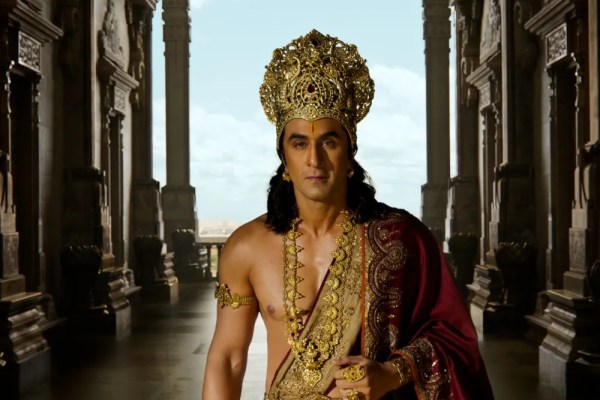 Ranbir Kapoor in Ramayana
Alia has allegedly been the target of massive trolling this year, the most recent after the release of her film, Shiv Rawail’s spy thriller Alpha. “From what we could figure out, the trolling was set in motion by the agencies of three other leading ladies. One can’t be sure if these actresses are even aware of the extent of their involvement, but it’s often their PR machinery that keeps doing the dirty job,” says a technician who worked on the film. “But it seemed to be a mix of three or four such smear campaigns. You could also make that out from the narrative set by the trolls — ‘Alia is not good enough as an action star’, ‘casting is misplaced’, and even ‘She looks too short,'” they argue.
Alia isn’t the only actor who’s been at the receiving end of incessant paid trolling. Ever since she took a stand about eight-hour work shifts on film sets, Deepika Padukone has been trolled. Kriti Sanon’s recent Rakha Bandhan ad was painted as such a major rage-bait that it led to the brand withdrawing it despite her tacit opposition. Even when you choose to stay away from the public eye, like Katrina Kaif has been after giving birth to son Vihaan Kaushal last year, trolls pop up out of nowhere to police her on weight and fashion. Sure, there might be some organic trolling involved, but more often than not, the narrative is designed by these ORM agencies who provide specific keywords and briefs to their troll farm.
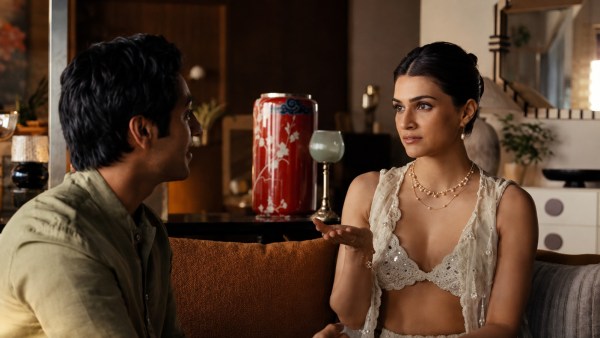 Kriti Sanon’s Raksha Bandhan ad sparked backlash.
Of course, the trolling against women is far viler, but the men aren’t spared either. Earlier this year, Border 2 co-producer Nidhi Dutta called the paid trolls “anti-national” who launched an offensive against Varun Dhawan for his signature smirk acting as a blot on a soldier’s uniform. There was also an attempt to hijack Ranveer Singh’s post-Dhurandhar flight with his Kantara controversy last December.
Story continues below this ad
Anshuman Jha, actor-filmmaker, learnt through an agency that his Instagram handle has been subjected to paid mass reporting by a star so that traction can be derailed. “He has millions of followers whereas I have thousands, so quite unnecessary,” Jha tells SCREEN, adding, “I’ve often wondered how most actors can be so wildly in love with themselves, yet so strangely dependent on everyone else’s opinion of them. The contradiction is black comedy at its best. Their ego says, ‘I’m the greatest.’ The insecurity asks, ‘Do you agree?’.”
Economics of paid trolling
What started as a luxury has become so streamlined and accessible now that these ORM agencies are on speed dial of countless celebrities and their PR agencies. The rate card varies from company to company, and as per size of the campaign. Mass reporting of the account, as in the case of Jha, costs the least — in thousands. A coordinated attack consisting of 1,000 posts? Rs 1 lakh. But if it’s a larger, sustained smear campaign, like in the opposition of Laal Singh Chaddha (2022) and in favour of Dhurandhar more recently, the compensation can go even beyond Rs 50 lakh. “Of course, human troll farms cost much more than bots. Artificial Intelligence has also made it more economical, but if you need that human touch, shell out more money. The best mix, I’d recommend, is kicking it off with human trolls, and then amp it up using bots,” an ex-paid troll tells SCREEN.
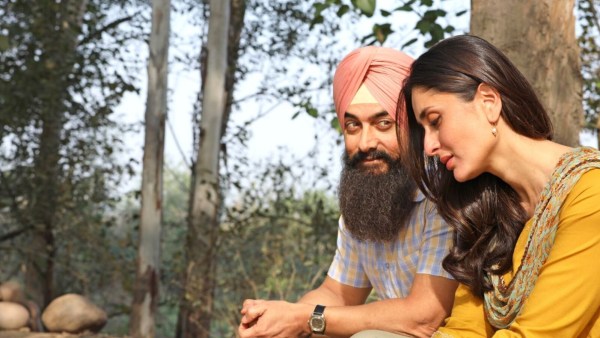 Aamir Khan and Kareena Kapoor Khan in a still from Laal Singh Chaddha.
“A huge chunk of this is bots now, not even real people. You’ve got aged accounts bought in bulk, SIM farms churning out fake profiles, and scripts that can flood a comment section or push a hashtag to trending within minutes,” says Riddhima. “It’s designed to look organic — a mix of a few real paid trolls seeding the narrative and hundreds of bots amplifying it so platforms and audiences read it as genuine sentiment. But if you happen to open those accounts, they have no pictures, proper names, and barely one to five followers,” she adds.
This is classic “sockpuppetry” — mass creation of false online identities in order to shape or shift public opinion. It’s only a matter of time before credible publications pick those up and lend them credibility, knowingly or unknowingly, thus giving the manufactured narrative a fresh lease of life.
Story continues below this ad
“The difference is in the strategy. Organic trolling is persistent and has a definite goal — boycott, argue openly or even get into a legal dispute. Paid trolling is mindless, and therefore more difficult to fight,” points out screenwriter Anu Singh, who had her fair share of paid trolling after the release of Arati Kadav’s film Mrs., starring Sanya Malhotra, on ZEE5 last year.
The remake of Jeo Baby’s 2021 Malayalam film The Great Indian Kitchen found a wider reaction because of not only the Hindi adaptation, but also a larger, more sustained paid troll campaign. “Troll farms and click farms may have started as political disinformation, but they’re documented business models now. And the PR machinery of the entertainment sector has only borrowed it from there,” Anu argues.
Trolls don’t often limit themselves to the public forum, but even sneak into DMs of celebrities. “My film Agra was trolled hugely. Especially after my very political opinions and my views on many things, a lot of them took the time out to slip into to mine and my partner’s DMs to disrupt our peace,” says actor Priyanka Bose.
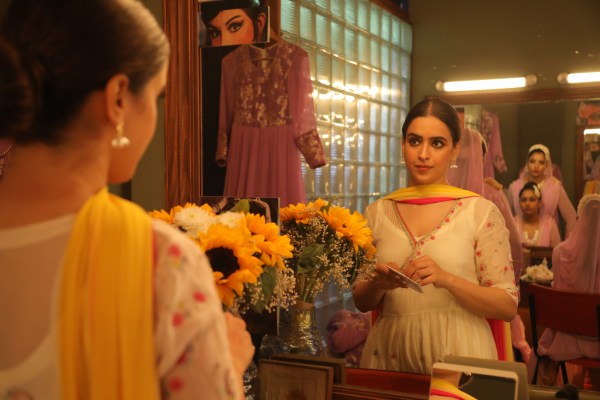 Sanya Malhotra in Mrs.
Both the anonymity and scale of paid trolling have dialled up to an extent that it’s an uphill task to keep track. “They seem to get away with using vile language, issue rape threats and death threats with no consequence,” says actor Dia Mirza, who’s saved relevant screenshots with her over the years. “I have had all kinds of slurs and insults thrown at me from bots and people who seem to use the same cut-pasted comments,” she adds.
Story continues below this ad
Actor-filmmaker Renuka Shahane also noticed the patterns years ago when she’d make it a point to engage with the trolls — only to realize years later that they’re paid. “The viciousness was shocking! Then I understood that there is something called a ‘toolkit’, and political parties ‘farm’ their followers by creating WhatsApp groups, where people are asked to troll certain people. I could tell by the very similar wording, same spelling mistakes or similar misinformation being repeated,” she says, adding, “So many of them were bots! Imagine arguing with them!”
Filmmaker and acting mentor Atul Mongia claimed that while paid trolling has been happening in India for over a decade and one can see it coming from a mile away, it often gets to even the most thick-skinned when it comes down to their family’s safety. “I can think of Anurag Kashyap, who would not care even about IT raids and would take the trolls head-on. What really broke him was when trolls started sending death threats and rape threats to his daughter, who’s an influencer,” says Mongia.
Kashyap, having distanced himself from social media for some time for the sake of his daughter Aaliyah Kashyap’s safety, is now back at it again. He’s emboldened by not only the recent student protests across the country, but also a keen understanding of how this cottage industry of paid trolling functions.
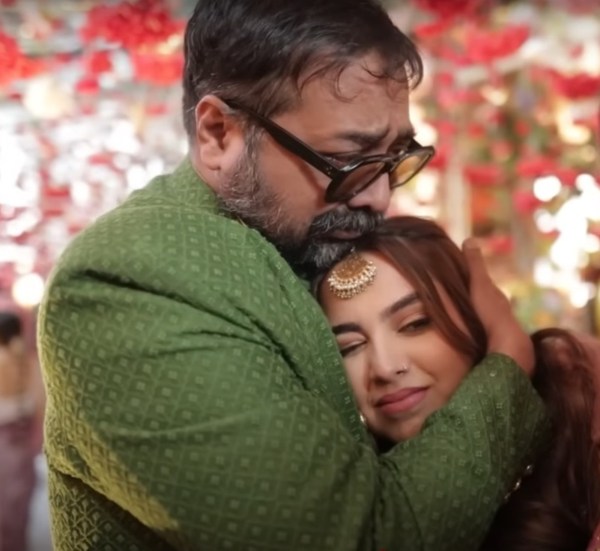 Anurag Kashyap with daughter Aaliyah
“I get trolled a lot and often. I just hope they become intelligent about it, not copy paste it, and sound genuine otherwise everyone knows in today’s day and age that it’s paid trolling,” Kashyap tells SCREEN. “In fact, my cousin runs an office 24/7 who is in the business of paid trolling. Hence I know most of the trolling I get is fake. His joke on me was, ‘Bhaiya, aapke posts ki wajah se hum bahut paise kamate hain,'” quips the filmmaker.
Story continues below this ad
With rival camps and ideological wings pitted against each other, the one industry which is thriving instead of the film industry is this very paid trolling industry. “Our agency was once handling Kangana Ranaut and Randeep Hooda, who ended up jumping into a Twitter war, when Randeep came out on X to defend Alia Bhatt. They didn’t know they had the same agency. So, our agency ended up adding fuel to the fire, so that we can mint money from both sides. Of course, eventually, it led to Randeep walking away,” said another former paid troll.
Beyond the ORMs, even a “cabal of YouTube critics, Twitter pundits, and film influencers operate much like the mafia and try to shake down producers for money before every release,” says screenwriter Sumit Roy. “Any producer who, in a moment of weakness, pays them only makes things worse for themselves. One of the basic rules of dealing with the mafia is that once you start paying them protection money, you never finish paying them,” he adds.
Rarely do celebrities come out and call spade a spade, like Amaal Malik did recently by calling out rival music composer Tanishk Bagchi for allegedly sending paid trolls after his title song of Awarapan 2 last month. “For bigger stars, it’s not that easy. For that can lend more attention to the trolling than there already is. All the paid trolling comes with that bait — of addressing and in turn, legitimizing it,” says the PR professional.
Paid trolling no longer a toothless tiger
Actors, filmmakers, and screenwriters believe it should in the best interest of the film industry to keep the threat of paid trolling at bay. Because now, it’s reached a point where it’s weighing heavy on not only its artistic expression, but also its business. Aamir Khan famously said in 2022 in response to media query about his film’s trolling, “I can’t force you to watch my film. Please don’t watch if you don’t want to”. And the audience didn’t show up for his film, Laal Singh Chaddha, which was loved widely upon its release on Netflix India a few months later. Not even the film industry, but dozens of film critics were trolled massively for their reviews of Aditya Dhar’s recent blockbuster spy thriller Dhurandhar — so much so that a publication with international footprint had to pull down its chief critic’s review.
Story continues below this ad
“Bad or good PR can make or break a lot, and honestly, it takes the humanity and joy out of the game, which essentially what entertainment is all about — people coming together, creating safe spaces, collaborating, not talking sh*t and dehumanising anyone,” says Priyanka Bose. Calling paid trolling a “depraved approach,” Dia Mirza asks, “How can anyone feel good about themselves by dragging another person down or attacking their dignity? This must stop.” “There are so many fan wars and wars between producers and trade wars, when actually we should celebrate each other’s successes and feel genuinely bad for any failures. But maybe I am still too idealistic,” chimes in Renuka Shahane. Having gone through the full spectrum himself, Anurag Kashyap also dismissed any far-reaching impact of paid trolling, except damage to one’s psyche. “It does affect a lot of people’s mental health. And that can affect your career,” says the director.
Maa Behen writer Pooja Tolani argues paid trolling is “symptomatic of how the business needs a creative overhaul”. “One is desperate and fearing failure enough to try to bring others down instead of focussing on making better professional decisions or bettering one’s own craft. It’s short-sighted, like cutting the branch one is sitting on. Because you are then allowing the controversy or drama you create to take more space in the public mind than the work,” she argues.
“In our film industry, perception is currency. And social media is the stock exchange where everyone’s manager and team has suddenly become a financial analyst. Perhaps the world would be a little nicer if people trusted their work enough to let it speak — and trusted themselves enough to speak for it,” says Anshuman Jha, underlining that paid trolling is now “neither the all-powerful monster nor the harmless circus we sometimes pretend it is”.

Rihanna, Jennifer Lawrence and a Paris runway full of bras: Dior comes undone in mist
By Sohail Khan · 30 Sep

Ayushmann Khurrana: Stardom used to be an exclusive club, but not anymore
By Sohail Khan · 29 Sep