In a first, Lalbaugcha Raja’s prasad waste to power KEM, Sion hospitals

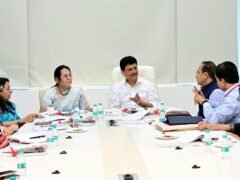
In a first-of-its-kind initiative, the Brihanmumbai Municipal Corporation (BMC) has joined hands with Mumbai’s Lalbaugcha Raja Ganesh Mandal to recycle wet waste from its prasad kaksh and generate power for the city hospitals.
Named ‘Prasad to Power’, the plan is to recycle around 8–10 metric tonnes of wet waste daily to produce around 7,744 units of renewable energy for a period of 10 days during the festival.
The civic authorities expect to recycle around 8 to 10 metric tonnes of food and other organic waste every day during the 11-day Ganesh Chaturthi festival, which will then be used to generate power in four civic and government hospitals, including King Edward Memorial (KEM), Kasturba, GTB and Sion.
Story continues below.
Subscribe to see fewer ads.
Lalbaugcha Raja is one of Mumbai’s oldest and iconic Ganesh mandals, attracting lakhs and crores of devotees from across the country. Every year, during the festival, tonnes of flowers and prasad offered to Lord Ganesha get discarded. But this time, flower and prasad waste from Lalbaugcha Raja will be used to produce renewable energy.
The BMC plan to collect Lalbaugcha waste
According to civic officials, the waste will be collected and transported to BMC’s biomethanation plants at Nair Hospital, Kasturba Hospital, GTB Hospital and Sion Hospital, where it will be processed. Each hospital has a processing capacity of around two metric tonnes of wet waste per day.
Under the ‘Prasad to Power’ initiative, the BMC has proposed to process a minimum of 80 metric tonnes of organic waste and generate around 7,744 units of renewable electricity.
“The actual quantity of electricity generated, however, will depend on the quantity and quality of the segregated waste received and the operating conditions of the biomethanation plants,” an official said. They said the electricity will light patient wards, corridors, and common areas.
Story continues below this ad
“The project is aimed at demonstrating how large quantities of organic waste generated during public festivals can be diverted from conventional disposal and converted into a useful resource,” the official said, stating that the initiative also seeks to promote source segregation, scientific waste processing, and renewable energy generation.