How to check your blood pressure correctly at home: The ‘7-2-2 Rule’ explained
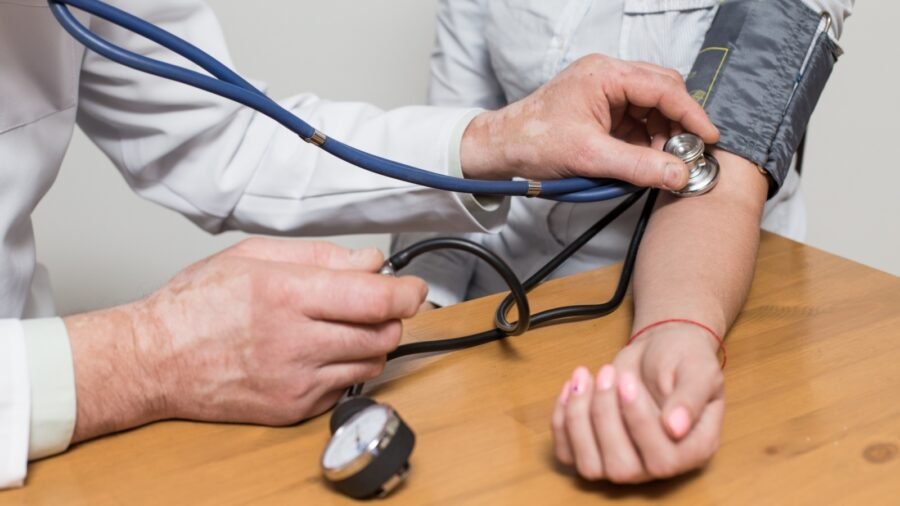
What is the best way to measure blood pressure? According to cardiovascular surgeon Jeremy London, it is the “7-2-2 Rule.”
Expanding on it, he said, “7 days: take your blood pressure 2 times per day, morning and evening, 2 measurements each time. Then average all readings. Don’t solely rely on one annual blood pressure reading.”
But how reliable is this approach, and how should you measure your blood pressure correctly at home? Dr Parin Sangoi, Consultant Interventional Cardiologist, Wockhardt Hospitals, Mumbai Central, explains.
Why multiple BP readings can be more useful
A single blood pressure reading is only a snapshot and may not necessarily reflect a person’s usual blood pressure.
“Anxiety, rushing to the clinic, caffeine or even a poor night’s sleep can temporarily affect the reading,” says Dr Sangoi.
The 7-2-2 approach involves checking blood pressure for seven days, twice a day, with two readings each time. According to Dr Sangoi, this can provide a better picture of a person’s usual blood pressure pattern.
Story continues below this ad
“It can also help identify differences between clinic and home readings, such as white-coat hypertension,” he adds.
How should you measure blood pressure at home?
Correct technique matters because several factors can affect a BP reading.
“Ideally, avoid exercise, smoking and caffeinated drinks for about 30 minutes before measuring,” says Dr Sangoi. He recommends emptying the bladder and sitting quietly for at least five minutes before taking the measurement.
Your posture also matters. “Keep your back supported and place both feet flat on the floor,” he says. The arm should be comfortably supported at heart level, with the cuff placed directly on the bare upper arm.
Story continues below this ad
Dr Sangoi recommends using a validated, appropriately sized upper-arm BP monitor. During the reading, avoid talking or moving, as these can affect the result.
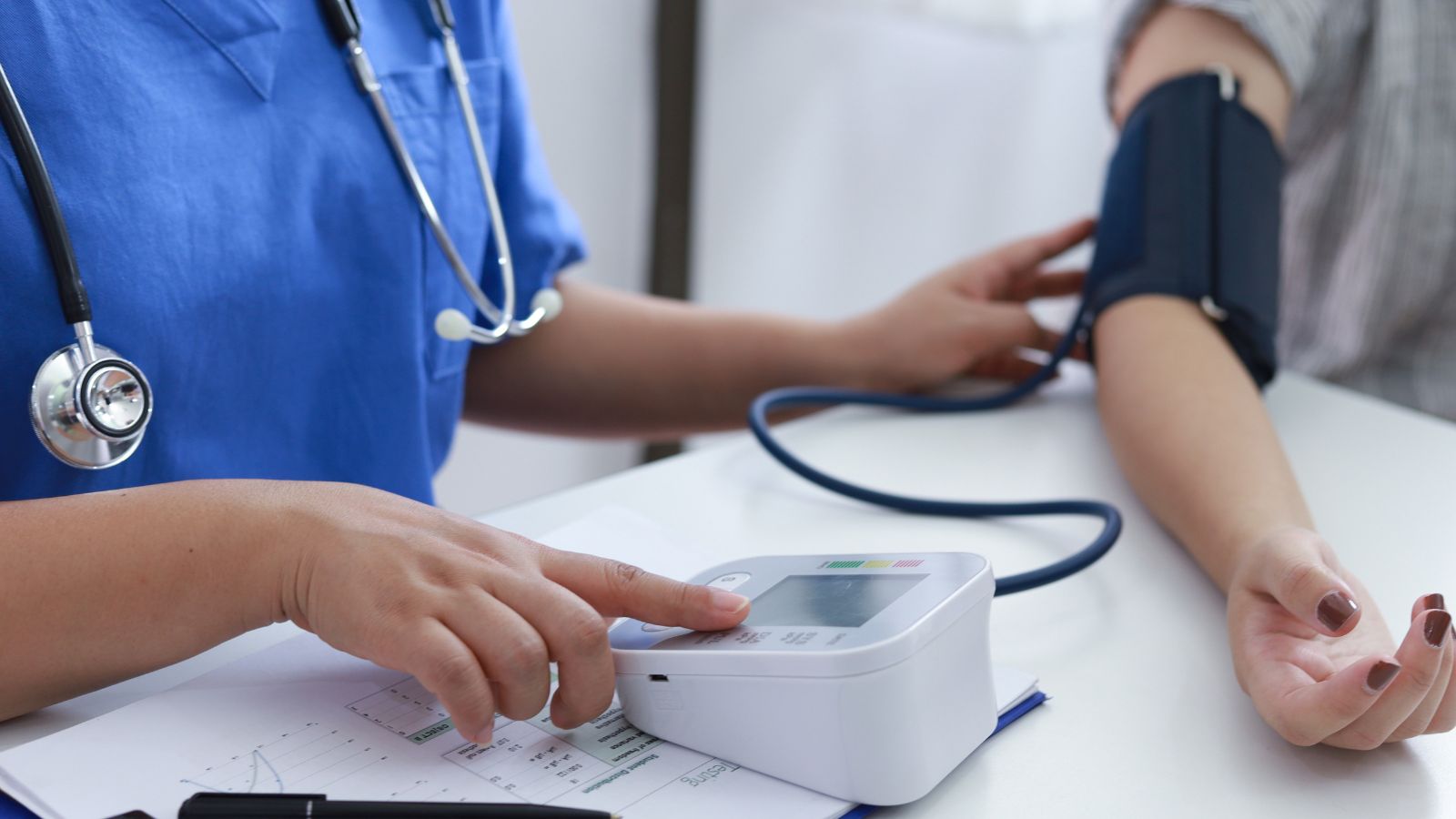 Doctor shares blood pressure tips | Source: Canva
Why should you take two readings?
Blood pressure naturally fluctuates during the day, so one unusually high or low reading may not represent your usual BP.
“A stressful phone call, poor sleep, pain or even rushing before a measurement can push it temporarily higher, while relaxation or other factors can produce a lower reading,” explains Dr Sangoi.
This is why repeated readings can be more informative than focusing on a single number. “Taking repeated measurements and looking at the overall average rather than focusing on the highest or lowest number provides a more meaningful assessment,” he says. This can be particularly useful when determining whether someone’s BP is consistently elevated.
Story continues below this ad
When should you speak to a doctor?
“Treatment decisions should not be based on one number alone; they depend on the BP pattern, age, cardiovascular risk, diabetes, kidney health and other individual factors,” he says.
A reading of 180/120 mmHg or higher requires particular attention. Dr Sangoi advises repeating the measurement after a few minutes. If it remains that high, especially when accompanied by symptoms such as chest pain, breathlessness, severe headache, weakness, confusion or vision changes, urgent medical assessment is warranted.
“Measure correctly, record consistently and interpret the trend—not just one number,” says Dr Sangoi.

The ECI’s constitutional mandate is under strain
By Sohail Khan · 5 Oct
Colby’s mid-term report card, what it means for India
By Sohail Khan · 5 Oct
How regulation stifles HEIs
By Sohail Khan · 5 Oct