‘Go to a restaurant’: R Madhavan questions eating inside theatres; expert weighs in
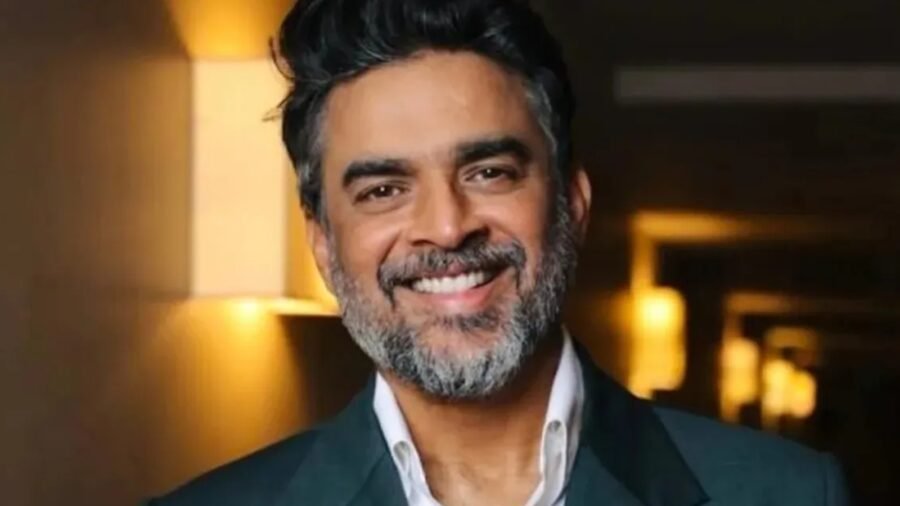
Actor R Madhavan has criticised the growing trend of dining inside movie theatres, saying people should visit a restaurant instead. “Want lunch or dinner? Go to a restaurant, not a theatre! Why do you want to eat pani puri in a theatre? It’s all stupidity if you ask me,” Madhavan told M9 News in an interview when asked about whether the audience has turned “brutal” in their criticism.
Siding with the audience, he noted that there are several “distractions” inside the theatre itself which make them angry even before the release of a film.
While his comments may divide opinion, and there is certainly nothing psychologically wrong with enjoying food while watching a film, underneath the debate about pani puri and multiplexes lies a far more interesting question about modern life: when did one experience stop being enough?
We eat while watching television, watch television while scrolling through our phones, reply to messages during meetings, photograph meals before tasting them, listen to something while exercising, and sometimes reach for our phones within seconds of a conversation falling silent. Even leisure has become something we multitask through. We are physically present in one experience while mentally consuming several others.
As a psychotherapist and relationship breakthrough coach, Delnna Rrajesh said that she doesn’t see this simply as a problem of “shrinking attention spans or poor discipline”. “We live in an attention economy in which countless businesses, platforms and devices compete for one of our most valuable resources: our attention. We carefully budget money because we understand that it is finite. Attention deserves similar respect. Where we repeatedly place it influences what we remember, what we learn, which relationships deepen and ultimately what our days feel like. Attention is not merely a productivity resource. It is one of the primary ways through which we experience our lives,” reflected Delnna.
According to the expert, mild boredom is not necessarily psychologically harmful. “Unstructured mental space allows us to reflect, daydream, notice our surroundings and allow thoughts to develop without constantly replacing them with new input. Some of our most useful insights arrive precisely when the mind is not being continuously occupied,” said Delnna.
Story continues below this ad
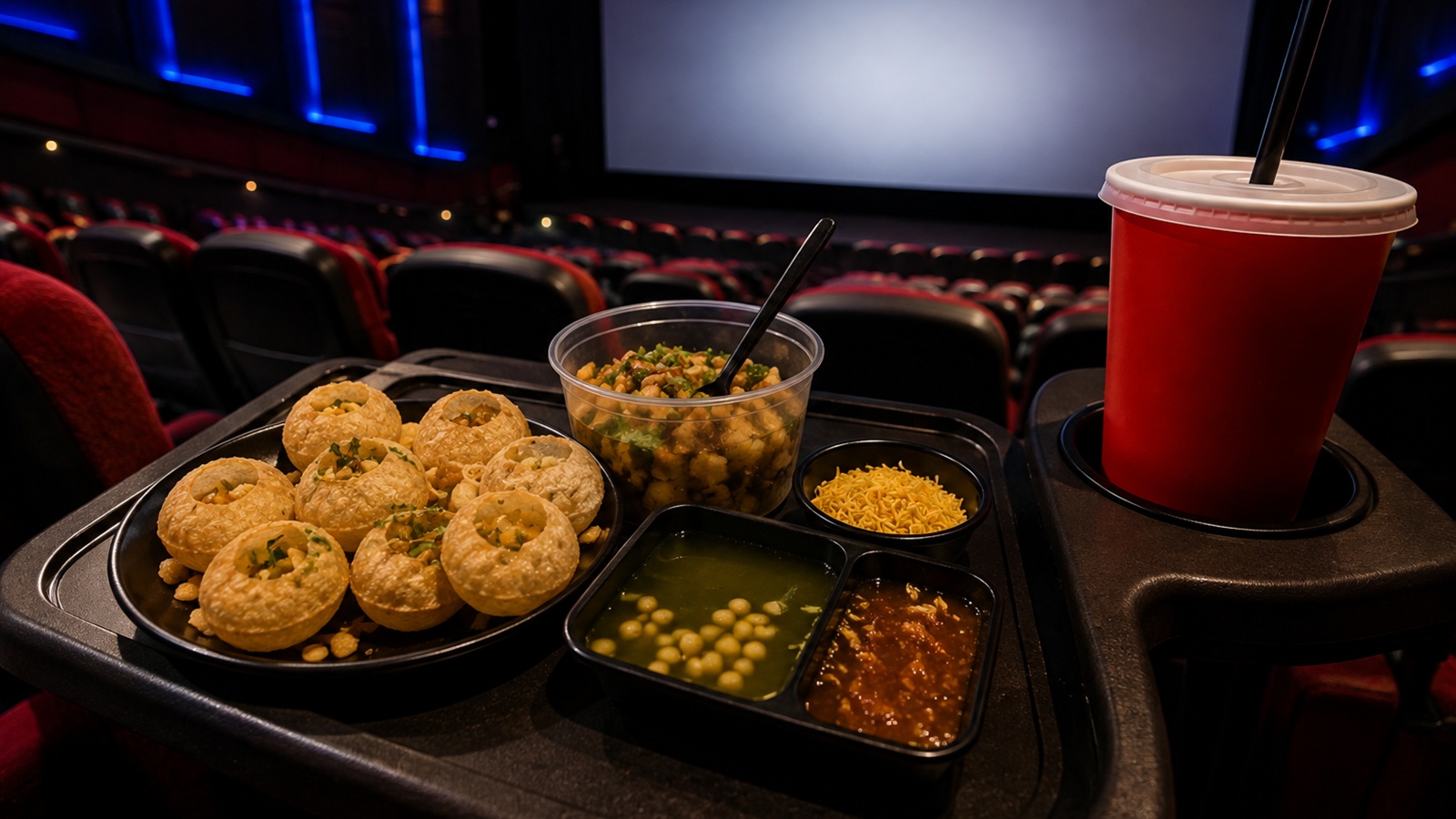 R Madhavan calls eating pani puri in theatres ‘stupidity’
More pleasure does not necessarily create more enjoyment
There is also an important distinction between pleasure and overstimulation. “A film can be pleasurable. Good food can be pleasurable. Conversation can be pleasurable. Social media can be pleasurable. But combining every available source of stimulation does not necessarily multiply enjoyment. At some point, it can dilute it,” stressed Delnna, adding that we taste the food less because we are following the film. “We absorb the film less because we are checking the phone. We hear the person beside us less because our attention is divided between all three.”
This is where I think the conversation becomes larger than technology. “Modern life has taught us to optimise experiences by adding to them. A meal needs entertainment. Exercise needs content. A holiday needs documentation. Rest needs streaming. A beautiful view needs a photograph, followed perhaps by posting it and checking who responded. The assumption is that adding another pleasurable element makes an experience richer. Sometimes subtraction does. That capacity for enoughness may be one of the quieter casualties of abundance.”
Recording more, remembering less
Many of our strongest childhood memories were never photographed (at least not the pre-Gen Z era). “We remember the smell of a grandparent’s kitchen, an afternoon playing outside, the excitement before a festival or a conversation in the car because, at that moment, we were simply there. Perhaps memory does not only need photographs. It needs presence,” said Delnna.
What you can learn to do
None of this requires abandoning smartphones, cinemas, social media or modern convenience. Extreme digital detoxes are neither realistic nor necessary for most people. What can be useful is becoming conscious of behaviours that have become automatic.
Delnna shared:
Story continues below this ad
For one day, conduct a simple attention audit. Notice every time you automatically add a second stimulus to the first: the phone while eating, scrolling while watching television, messages while working, videos while waiting, photographs while experiencing something beautiful. Then ask yourself: Did the second activity genuinely improve the first experience, or did I add it because being with one thing felt uncomfortable?
Families can experiment with small pockets of undivided attention as well. One screen-free meal. A twenty-minute conversation with phones out of sight. A short walk without headphones. Watching a film without simultaneously scrolling. Allowing a child to become bored long enough to invent something to do. Driving occasionally without filling every silence.
“These are not rules. They are experiments in reclaiming attention,” said Delnna.
Madhavan’s comments about eating in theatres may ultimately be a matter of personal preference. Cinemas will continue evolving, audiences will choose the experiences they enjoy, and there is no virtue in making entertainment unnecessarily austere. But his observation gives us an opportunity to examine something much larger than cinema etiquette.
Story continues below this ad
“The question is not whether pani puri belongs in a movie theatre. The question is whether we are gradually becoming unable to experience anything without adding something else to it. In a world of unprecedented abundance, perhaps one of the most valuable psychological capacities we can develop is knowing when we have enough: enough information, enough entertainment, enough stimulation, enough input.”
R Madhavan has been trending on Google for the past 24 hours

‘Sham’ contracts, inflated revenues: Charges against Man City, penalties it could face
By Sohail Khan · 1 Oct
Amitabh Bachchan, 83, suffers knee injury after fall: ‘I had trouble standing up’
By Sohail Khan · 1 Oct