From 0 to 10: Experts rank the best and worst ways to discipline children

Disciplining children can be confusing, especially with so many approaches being used at home. A recent reel by senior paediatrician Dr Ravi Malik breaks it down simply—by rating common parenting methods and explaining their impact.
Here’s how different discipline styles stack up, along with what Dr. Himani Narula Khanna, Developmental Behavioural Paediatrician and Adolescent Mental Health Expert, Co-Founder of Continua Kids has to say about them:
Physical punishment – 0/10
Dr Malik rated this the lowest, saying it “increases aggression in children and decreases self-confidence.”
Agreeing, Dr Khanna says, “I completely agree with this rating.” She explains, “Physical punishment can increase aggression in children, as they often model the behaviour they observe in their parents.”
While, it may lead to short-term compliance, the adolescent mental health expert clarifies that not only does it not result in true learning, but may also harm self-esteem and emotional regulation over time.
Positive reinforcement – 9/10
View this post on Instagram
A post shared by Dr. Ravi Malik | M.D. Pediatrician (@drravimalik)
This approach scored high on the list.
Dr Khanna says, “This is rightly rated and is considered the gold standard approach in parenting.” She explains, “Positive reinforcement helps build desired behaviours through reward-based learning.” It also improves confidence and strengthens the parent-child bond.
Story continues below this ad
Shouting at the child – 1/10
Dr Malik gave shouting a low rating, noting that “confidence and trust in the parent lowers.”
Dr Khanna echoes this and further adds, “Shouting can reduce trust and emotional safety in children.” While it may work briefly, it often leads to anxiety and avoidance rather than real understanding.
Gentle explanation – 10/10
Topping the list, this method focuses on calm communication.
Dr Khanna fully agrees, “This deserves a full score.” She explains that it helps children understand consequences, develop emotional regulation, and feel more secure in their relationship with parents.
Story continues below this ad
Threatening (police/ghost) – 2/10
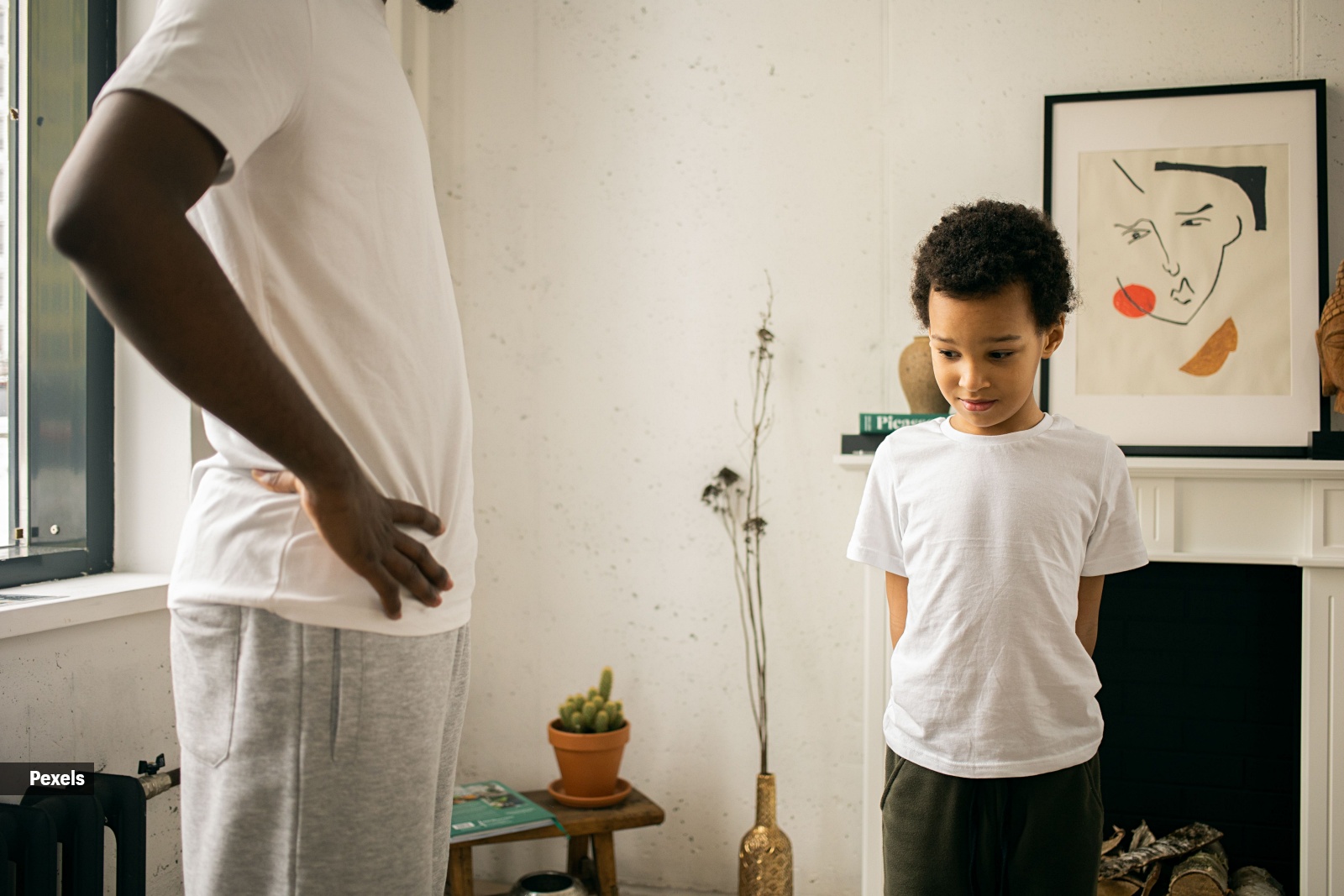 Threatening may also lead to issues like separation anxiety, night terrors, and persistent fears among kids (Pexels image)
Fear-based discipline also ranked low, with Dr Malik noting the “kid stays fearful even after growing up.”
Dr Khanna agrees, saying, “While it may result in short-term compliance, it creates unnecessary fear and anxiety in children. Over time, it can damage their sense of safety and trust. It may also lead to issues like separation anxiety, night terrors, and persistent fears.”
Ignoring minor behaviour/mistakes
This approach wasn’t rated but included as a strategy.
Dr Khanna explains, “Ignoring minor behaviors can be useful if applied strategically.” She adds, “Planned ignoring works well in cases of attention-seeking behaviors.” However, she cautions against using it when behaviour is harmful or persistent.
Story continues below this ad

A Court divided by its own architecture
By Sohail Khan · 3 Oct
India’s Model BIT — a decade later, amid changes
By Sohail Khan · 2 Oct
Obstacle race: On Special Intensive Revision exercise
By Sohail Khan · 2 Oct