Eye Donation Consent Should Be Mandatory For Driving Licences: Ophthalmologists
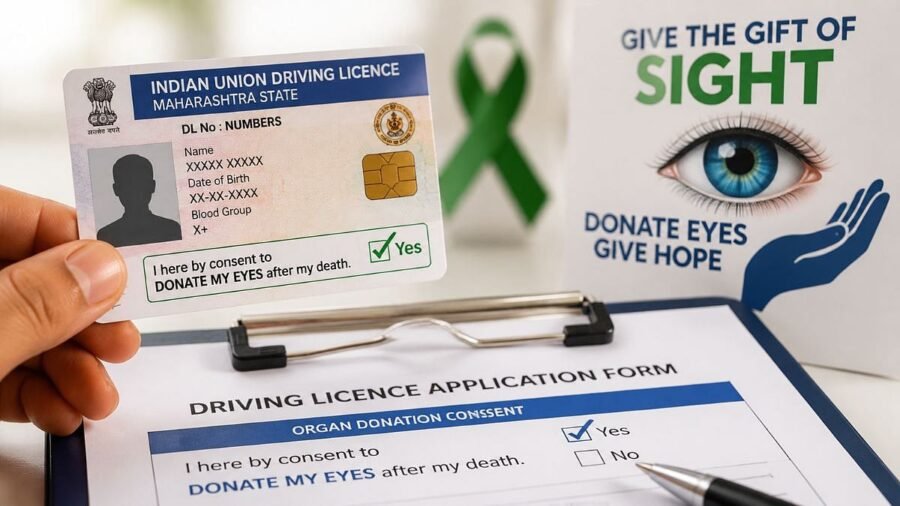
Ophthalmologists have urged India to make eye-donation consent mandatory during driving-licence applications and renewals. India needs around 2.5 lakh corneas annually but receives only about 50,000 eye donations. Doctors say recorded consent could help eye banks retrieve corneas faster and reduce six-to-nine-month waits for transplant patients.
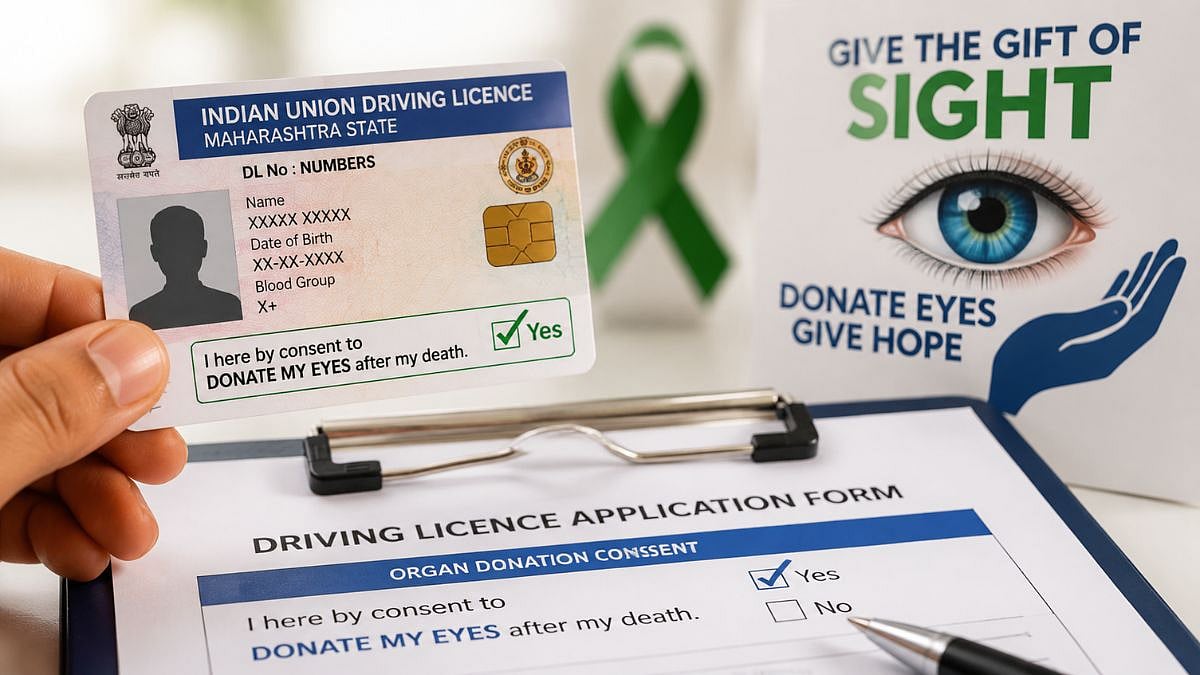
Ophthalmologists have proposed recording eye-donation preferences during driving-licence applications and renewals | AI Generated Representational Image
Mumbai, September 3, 2026: With India needing around 2.5 lakh corneas every year but receiving only about 50,000 eye donations, ophthalmologists have called for making eye-donation consent a mandatory part of the driving-licence process, similar to the system followed in the United States.
Demand For Mandatory Consent
The demand comes during National Eye Donation Fortnight, observed from August 25 to September 8 to raise awareness about eye donation. Renowned ophthalmologist Dr Shashi Kapoor said every person applying for or renewing a driving licence should be asked whether they are willing to donate their eyes, with the consent officially recorded.
He said such a database could help eye banks act quickly after a donor's death. Corneas need to be retrieved within around six hours of death for transplantation. If consent is already recorded on a driving licence, the concerned eye bank could be alerted immediately, reducing delays in the retrieval process.
`;
Corneal Blindness In India
India has around 1.8 crore people living with blindness, while corneal damage causes an estimated 25,000 to 30,000 new cases of blindness every year. A significant proportion of these patients can regain vision through corneal transplantation.
Kapoor said the US has a system in which an individual's decision to donate eyes is recorded on the driving licence. Hospitals also routinely approach families of deceased persons regarding eye donation. In India, however, there is no comparable mandatory system, and relatives are often not approached at the crucial time.
Gaps In Donation System
Although a provision for eye donation was introduced in death certificates issued by BMC hospitals around a decade ago following efforts by Parliament and the courts, it has not translated into regular requests to families, ophthalmologists said. Consequently, patients awaiting corneal transplants may have to wait six to nine months.
Kapoor also suggested deploying trained social workers outside hospital ICUs to counsel families of deceased patients about eye donation. He said a structured system linking driving-licence consent, hospitals and eye banks could substantially increase donations and help bridge the large gap between demand and availability.
Also Watch:
Global Models For Donation
While Sri Lanka is among the world's leading sources of donated corneas, the US performs around 50,000 corneal transplant surgeries annually. Ophthalmologists believe India could significantly improve its eye-donation rate by adopting a similar consent-based system.
To get details on exclusive and budget-friendly property deals in Mumbai & surrounding regions, do visit: https://budgetproperties.in/

Add As a
Trusted Source 

Navi Mumbai Redevelopment Projects Can Have Open Spaces On Podiums: Bombay HC
By Sohail Khan · 2 Oct
Bombay HC Issues Notice Over Alleged RTO Lapses In Vehicle Safety Device Verification
By Sohail Khan · 2 Oct