‘Conduct worthy of derision’: HC rebukes Noida DM over illegal NSA detention
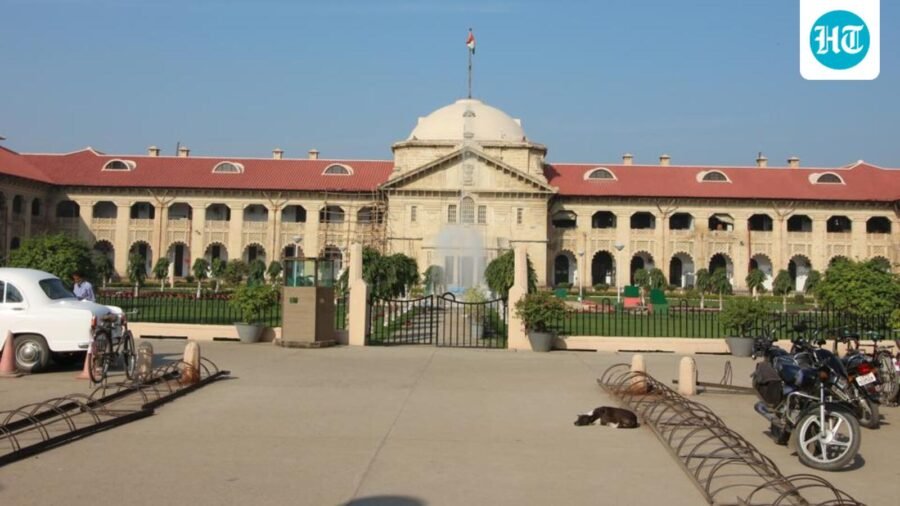
The Allahabad high court said IAS and IPS officers must remember that their loyalty is to the Constitution and not the political executive.
Published on: Sep 7, 2026, 22:39:24 IST
Prefer HTon Google
Share via
Copy link
The Allahabad High Court has directed that ₹5 lakh compensation be paid to 25-year-old Delhi University graduate Akriti Chaudhary, who had been in judicial custody for around five months in connection with the April 2026 Noida workers’ protest, with the amount to be recovered from the salary of the Gautam Buddha Nagar district magistrate who ordered her preventive detention under the National Security Act (NSA), which the court quashed on September 2.
In its detailed order made public on Monday, a bench of justices Atul Sreedharan and Achal Sachdev delivered a scathing indictment of the administration’s conduct, describing district magistrate Medha Roopam’s conduct as “worthy of derision” and saying she had sought to “set an example” out of a peaceful student activist to deter others from protesting. The court also directed that its displeasure with the DM and the police be recorded in their service records.
The court also criticised what it described as bureaucratic overreach, saying IAS and IPS officers must remember that their loyalty is to the Constitution and not the political executive.
“They (civil servants) should realise that their loyalty is towards the Constitution and not the political executive, and the honesty and impartiality are towards the people whom they serve while bearing in mind at all times that they are the servants who serve the people, the masters in a democracy,” the court said.
The court warned that officers who forget this risk reducing Uttar Pradesh to “an Orwellian Dystopia.”
The bench scrutinised the evidence relied upon by the administration to detain Chaudhary, including WhatsApp chats, videos, case diary entries and message timestamps retrieved from her phone, and found that the record did not support the prosecution’s version of events.
A key issue was a notice issued to Chaudhary under Section 130 of the Bharatiya Nagarik Suraksha Sanhita (BNSS), under which police can require a person to execute a bond for “good behaviour” in certain circumstances. The police claimed Chaudhary was served the notice on April 12, requiring her to furnish a ₹50,000 bond, and was arrested only after she refused. Chaudhary, represented by senior advocate Colin Gonsalves, had argued that she had actually been taken into custody on the evening of April 11 and was never given a genuine opportunity to furnish the bond.
The high court found that the General Diary entry number mentioned in the notice could only have been generated after her arrest, suggesting that the notice itself was prepared retrospectively.
“Mentioning the G.D. number in the notice under Section 130 of the BNSS reveals that the Petitioner was already arrested and the procedure of giving a notice under Section 130 of the BNSS was ex post facto the arrest and nothing more than a sham,” the court said.
When the state government was asked to explain the “visible fabrication in the record”, the court said, “no answer” was forthcoming.
The bench also found that the WhatsApp messages and videos produced by the State did not contain “a single message” or video showing that Chaudhary had incited people to riot, commit arson or damage public or private property.
The violence that erupted on April 13 therefore could not, on the material placed before the court, be attributed to a conspiracy allegedly hatched by Chaudhary, it said.
The court said preventive detention under the NSA is an “exception” and cannot be used merely to keep someone incarcerated because they might otherwise secure bail in an ordinary criminal case. It stressed that the exercise of such extraordinary power directly affects the right to life and personal liberty under Article 21 of the Constitution and “cannot be exercised lightly on the basis of surmises, biases, conjectures and opinions”.
The court also cautioned against restricting peaceful protests merely on the assumption that they could lead to a breach of peace. “Preventing people from gathering in public spaces or agitating their rights on the grounds of assumed breach of peace,” it said, would amount to “throwing the baby out of the bath water”.
Instead, the State should train its police force to manage large gatherings and use videography to ensure accountability when violence occurs, the court said.
See Less