Anand on Gukesh’s World Championship defence: ‘World just not bending like it used to’
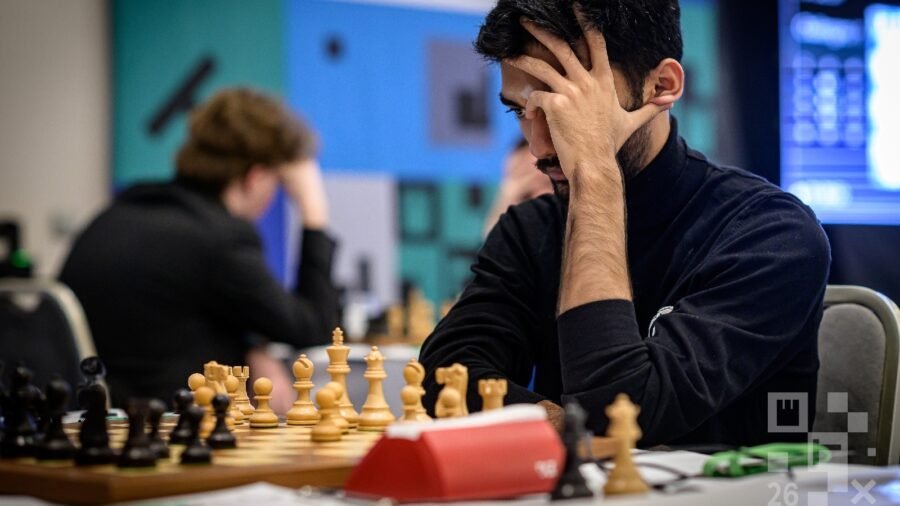
In less than three months, D Gukesh defends his world title against Uzbek challenger Javokhir Sindarov, in Geneva. It looks harder than the first time.
In 2024, against Ding Liren, Gukesh was at his peak. Fresh off the Candidates. Fresh off a gold medal at the Chess Olympiad in Budapest. Ding was inactive for months before that match, struggling with form, struggling with something more than form. This time the script has flipped. Gukesh is the one in deep water. Sindarov looks better every tournament he plays.
So which is harder: winning the title, or keeping it?
Viswanathan Anand has done both, five times over. To him the distinction matters less than what each one demands of you.
“What Gukesh is experiencing, I’ve experienced a couple of times. But he’s experiencing it for the first time. You have no idea why the world refuses to work like it used to. You’re working as hard as you think. You want it as hard as you think. But the world is just not bending like it used to,” Anand said, ahead of the 2026 Global Chess League in Bengaluru.
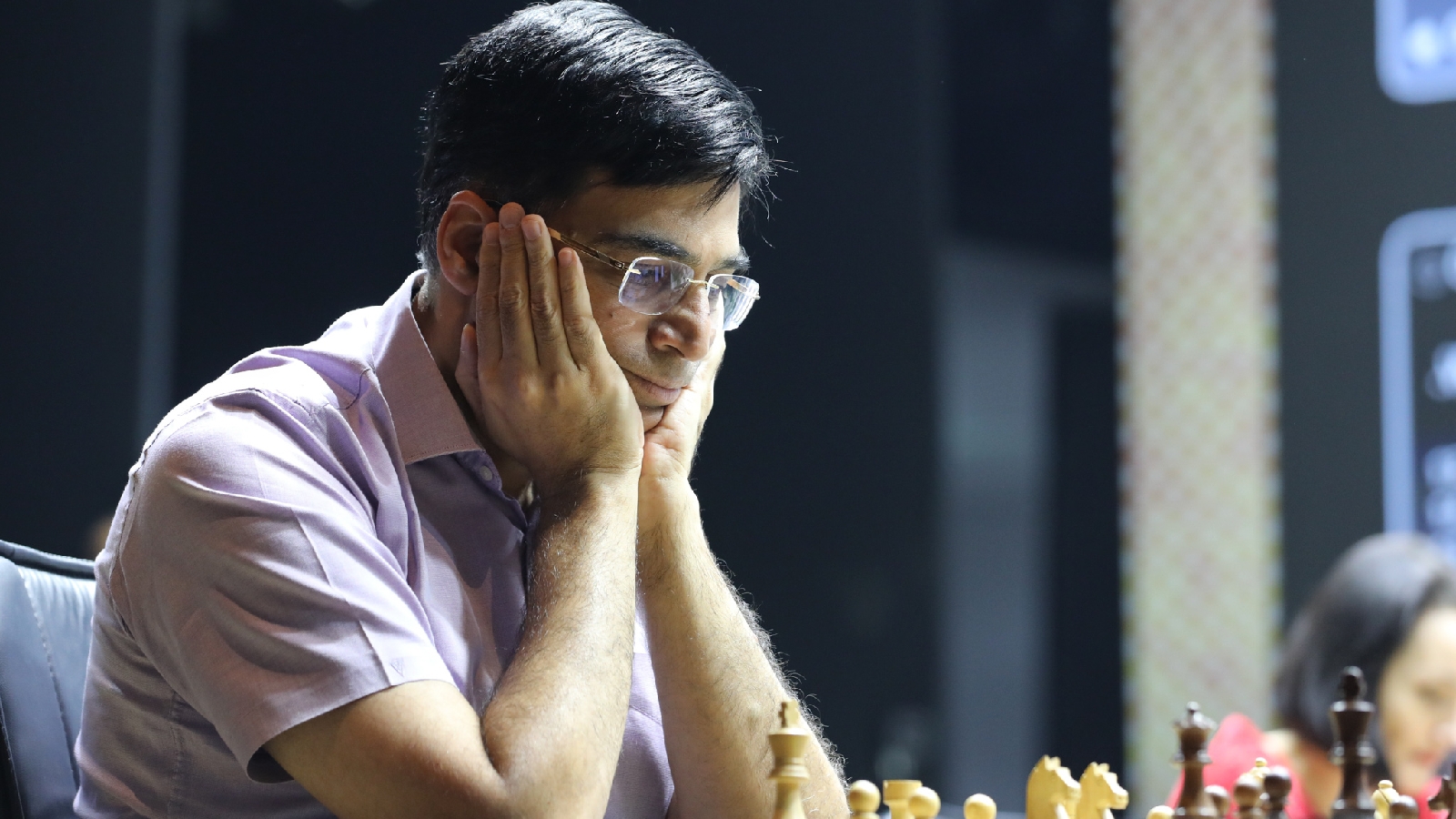 So which is harder: winning the title, or keeping it? Viswanathan Anand has done both, five times over.
“The only thing I could tell him is that it happens to everybody. For him, I think it will just be the challenge of dealing with this rather than it being his first time,” he added.
Anand knows the feeling from the inside. Years where nothing worked and the effort never matched the result. What got him through wasn’t one fix. It was smaller wins, spread across formats, the reassurance that classical chess going badly didn’t mean everything was going badly.
Story continues below this ad
“I had moments of shattering heartbreak a couple of times when I was 22, 23, 24. Not as prolonged, not as intense. But I was also playing a wider variety of tournaments. So inevitably, you’ll get a good result. I was playing rapid tournaments in those days, and those would compensate for everything. Even if I was slumping in classical, I would do well in rapid and feel good about myself again,” Anand said.
“It doesn’t matter what age you’re dropped into the deep end of the pool. You will learn to swim fast, or you’ll splash around till you reach the surface and find something to hold on to. Maybe I was in a calmer place when I really got into crisis. But I think he can cope.”
There’s no formula, Anand admits. At some point you just stop trying to explain it. “What I did was to accept at some point that there’s no point trying to understand what’s happening. We try to understand what’s happening, make cause and effect, organise things. But there comes a point when you feel relieved enough to accept the result. Both when it then turns around, it feels good. But sometimes it doesn’t turn around. That’s how it is.”
“I don’t know what I should tell him. The strength is there. It couldn’t have gone away. But something in the state of mind, sadly, we don’t know how to fix that. All of us have discussed motivation enough, but it’s not very easy to explain.”
Story continues below this ad
Before Geneva, there’s Samarkand. Gukesh leads India’s Olympiad title defence there, on ground that has been kind to him before: 18 points from 21 matches across the last two editions, a 9.0/10 in Budapest with a performance rating of 3056. Individual gold both times. Team bronze in 2022, gold the edition after.
He hasn’t won a tournament since becoming the youngest world champion in history. Samarkand could be the jolt he needs.
Would one tournament be enough? Anand thinks it wouldn’t take even that much.
“There’s no pattern as to what makes me happy. Some unexpected gift in a tournament is all I need. Because in my mind, I’m not playing badly. I deserve to. In my mind, the universe is not cooperating. When I get lucky, I think, yeah, finally it is. This is how it should be. Self-deception is what we’re good at. We will find some way of picking our events that’s favourable. That’s where excuses come from too, trying to say that it was not your fault. He could be incredibly happy with one game and that might change his mood. It doesn’t matter. As long as you feel better, that’s all that matters,” Anand said.