Want to protect your brain as you age? Neurologist Dr Arun Shah shares 3 lifestyle changes that may lower dementia risk
Want to protect your brain as you age? Neurologist Dr Arun Shah shares 3 lifestyle changes that may lower dementia riskPublished on: Aug 15, 2026, 21:05:03 IST
Prefer HTon Google
Share via
Copy link
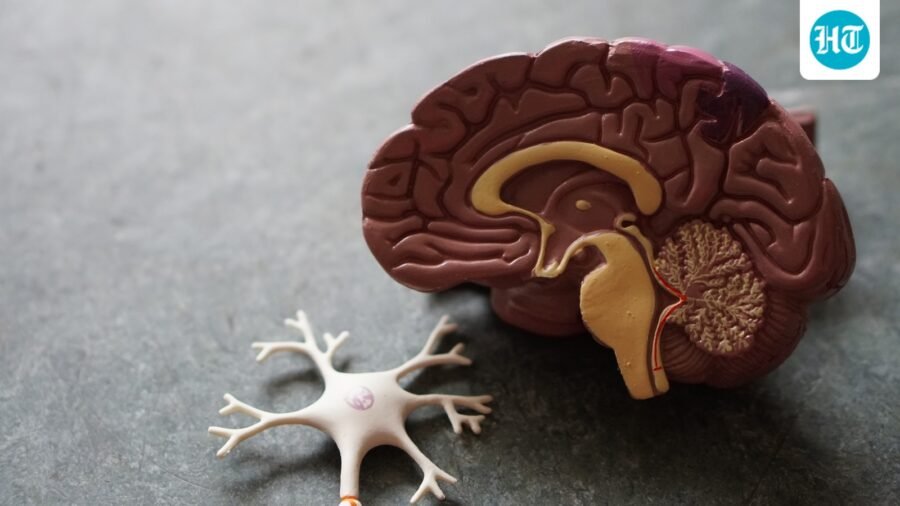
Dementia isn’t always an inevitable part of ageing. From high BP to smoking, a neurologist explains lifestyle risks that may affect brain health and what to do.
Dementia is often associated with ageing, but cognitive decline that interferes with daily life should not simply be dismissed as a normal part of getting older. The condition can affect memory, communication, behaviour and the ability to perform everyday tasks.
In an interview with Lifestyle, Dr. Arun Shah, Director – Neurosciences, Sir H.N. Reliance Foundation Hospital, explained how factors such as high blood pressure, diabetes, smoking and high cholesterol can affect brain health and contribute to dementia risk. (Also read: ‘I drink black coffee daily’: Oncologist shares 6 research-backed benefits, from brain health to longevity )
“Dementia can be defined as the decline in cognitive functioning of an individual due to abnormalities or damage in the brain. It leads to memory loss, confusion, communication difficulties, poor executive function and behaviour changes. Dementia is not considered to be part of normal ageing,” Dr Shah said.
High blood pressure can affect the brain
High blood pressure is one of the important risk factors for vascular problems in the brain. When blood pressure remains uncontrolled for a long time, it can damage blood vessels and affect the supply of blood and oxygen to the brain.
“High blood pressure is called the ‘silent killer’ and leads to a reduction of the blood supply to the brain, resulting in multiple small strokes and thus leading to vascular dementia,” Dr Shah explained.
Other risk factors include diabetes, smoking, excessive alcohol consumption, obesity, high LDL or cholesterol levels and previous brain injury.
Smoking can damage blood vessels
Smoking can also affect the blood vessels that supply the brain. Chemicals present in cigarette smoke can damage the blood vessel lining and contribute to oxidative stress and inflammation.
“Smoking can contribute by damaging the blood vessels supplying the brain, raising the blood pressure levels in the process. Moreover, toxins found in cigarette smoke can damage the blood vessel lining,” Dr Shah said. He added that smoking-related oxidative stress and chronic inflammation may also contribute to changes in the brain associated with Alzheimer’s disease.

Metabolic health matters too
Conditions such as diabetes, obesity and high cholesterol can affect vascular health and contribute to inflammation throughout the body. Over time, these changes may affect the brain’s blood supply and increase the risk of cognitive problems.
“There are a large number of factors which influence the blood supply and the vessels through which it passes. All of those factors result in a decreased supply of oxygen to the brain, thus causing chronic risks of developing dementia,” Dr Shah said.
Genetics can also influence an individual’s susceptibility. People with a family history of dementia may have a higher underlying risk, which can become more concerning when combined with uncontrolled hypertension, diabetes or high cholesterol.
Three lifestyle changes that may help
While not every case of dementia can be prevented, addressing modifiable risk factors can support overall brain and vascular health. “Therefore, the three main lifestyle changes which will help prevent dementia are: quit smoking, control blood pressure and live a balanced life,” Dr Shah said.
A balanced lifestyle includes regular physical activity, a nutritious diet, adequate sleep and appropriate management of conditions such as diabetes, high blood pressure and high cholesterol.
The key takeaway is that protecting brain health starts well before memory problems appear. Keeping cardiovascular and metabolic risk factors under control can be an important part of maintaining cognitive health as we age.
Dr. Arun B. Shah is the Director of the Department of Neurosciences at Sir H. N. Reliance Foundation Hospital. He also leads the hospital’s Comprehensive Stroke Centre and provides care through its Multiple Sclerosis and Memory Clinics. Dr. Shah completed his MBBS from Seth GS Medical College and KEM Hospital, Mumbai, in 1972. He later pursued an MD in Internal Medicine and DM in Neurology from the same institution.
Note to readers: This article is for informational purposes only and not a substitute for professional medical advice. Always seek the advice of your doctor with any questions about a medical condition.
Catch every big hit, every wicket with Crick-it, a one stop destination for Live Scores, Match Stats, Quizzes, Polls & much more. Explore now!.
Catch your daily dose of Fashion, Taylor Swift, Health, Festivals, Travel, Relationship, Recipe and all the other Latest Lifestyle News on Website and APPs.
See Less




Leave a Reply