Tukaram Mundhe effect? Idli replaces vada pav, chaas for cola in Mumbai school canteens
Tukaram Mundhe effect mumbai-school-canteens-junk-food-ban-healthy-food
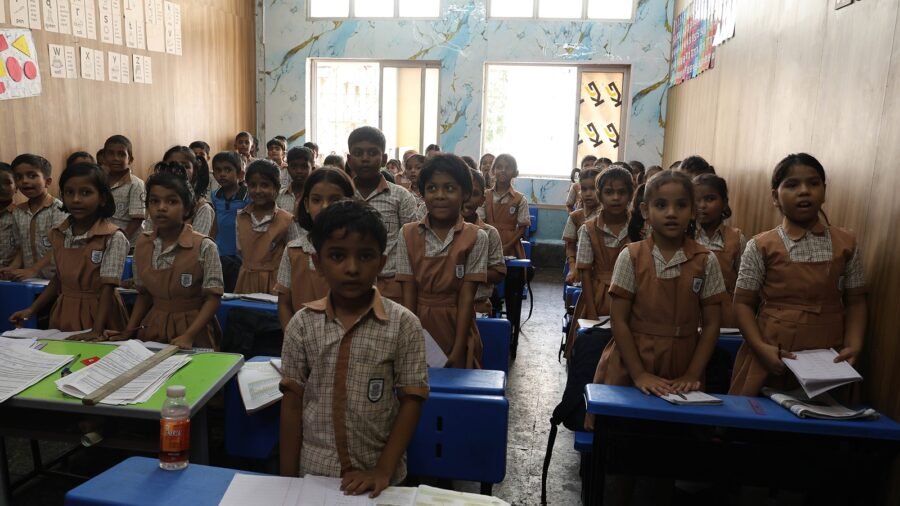
Vada pav and samosa are off the canteen menu at schools run by the Archdiocesan Board of Education (ABE), replaced by idli, dosa, poha, sheera and upma. Aerated drinks are banned outright.
Across Mumbai, schools have been rewriting canteen menus and writing to parents about what goes into tiffin boxes.
The changes follow a warning from the Food and Drug Administration (FDA) to schools against the sale of junk food on their premises, part of its ongoing food safety crackdown. The state school education department followed it with a circular asking schools across Maharashtra to strictly implement the Food Safety and Standards (Safe food and balanced diets for children in school) Regulations, 2020.
The harder instruction reaches past the school gate. Schools have been asked to ensure that nobody sells High Fat, Sugar and Salt (HFSS) food within a 50-metre radius of their premises, and to write to the FDA if food business operators do not comply. In rural areas, they can approach gram panchayats and sarpanchs. Schools have no power to remove a seller themselves, and the rule places the burden of reporting on principals.
According to sources, FDA Commissioner Tukaram Mundhe held an online meeting on Monday with Zilla Parishad chief executive officers and the Education Commissioner on compliance in the state’s interior. He directed that the order be implemented within a week and that awareness programmes be conducted for principals, headmasters and heads of food committees.
In Mumbai, the Education Department and the Brihanmumbai Municipal Corporation held an awareness campaign for 900 representatives from government and private schools, along with 50 midday meal suppliers.
Story continues below this ad
ABE has also stopped serving other fried items. “We have asked canteens to replace them with dishes such as idli, dosa, poha, sheera and upma,” said Fr Francis Swamy of the ABE, which runs multiple city schools.
At Poorna Prajna School in Dahisar, the menu has been realigned with the guidelines. “We were already checking that oil was not used more than twice. But now we have absolutely banned deep-fried items from the canteen menu,” said principal Arun Dubey. The school is planning an awareness programme for parents on tiffins.
Sacred Heart School in Santacruz has asked parents to avoid junk food, packaged juices and fried items, and to send freshly cooked food in stainless steel boxes. Similar guidelines have gone to parents at DAV Public School in Thane, while Sri Ma Vidyalaya, also in Thane, has replaced soft drinks with chaas.
At Podar Education Network, FAQs on healthy food habits have been re-sent to parents. “Although these were prepared at the beginning of the academic year, after the FDA order, we have re-shared the FAQs to ensure effective implementation,” said president Swati Popat Vats. Under its #ChuckTheJunkFood campaign, the network has replaced cakes and sweets at birthday celebrations with fresh fruit.
Story continues below this ad
Parents have broadly welcomed the changes, but want the rules extended beyond school premises. “The FDA’s ongoing drive has already shown parents what is unhealthy. With schools also insisting on healthy tiffins, at least one or two meals a day are now completely healthy. But just as rules are issued for schools and parents, there should be regulations for retailers and sellers of junk food,” said Anubha Sahai of India Wide Parents Association.
The regulations schools are now being asked to enforce were notified in 2020, five years ago.

Standing Committee meeting postponed amid corporators’ apprehensions of arrest
By Sohail Khan · 20 Aug
BMC to amalgamate Lower Parel municipal plots with SRA scheme for integrated redevelopment
By Sohail Khan · 20 Aug
Ghatkopar woman’s murder: Mother-in-law paid maid ₹3 lakh for killing
By Sohail Khan · 20 Aug
Leave a Reply