Toy, remote and hearing-aid hazard: Neonatologist Dr Bhawna Malik explains button batteries can cause oesophageal burns
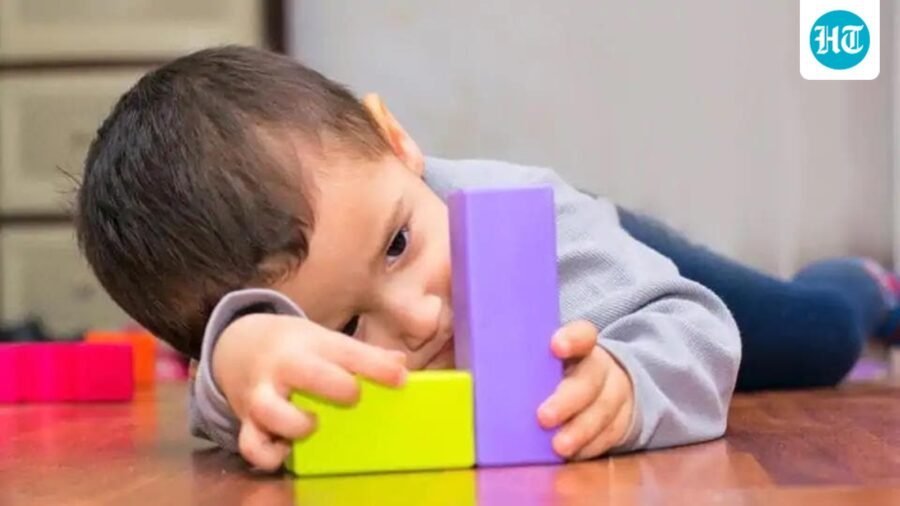
Button batteries can pose severe risks if children swallow them. Learn the dangers, symptoms, and essential actions to take if a child swallows one.
Published on: Aug 30, 2026, 11:00:15 IST
Prefer HTon Google
Share via
Copy link
Small, shiny button batteries found in toys, remote controls, watches, hearing aids and other household devices may look harmless. But if swallowed by a child, they can become a life-threatening medical emergency. When a button battery becomes lodged in the oesophagus, severe tissue injury can develop in less than two hours, making prompt medical attention essential.
Why are button batteries so dangerous?
Button batteries are commonly found in everyday items such as TV remotes, toys, watches, car keys, calculators, musical greeting cards, thermometers, hearing aids and other small electronic gadgets. “Because they are small, round and shiny, young children may mistake them for sweets, coins or other harmless objects and accidentally swallow them” Neonatologist & Paediatric Intensivist Dr Bhawna Malik, Motherhood Hospitals, Greater Noida tells Health Shots. A button battery lodged in the oesophagus is uniquely dangerous because it can cause severe tissue injury even when the child initially appears completely well.
When the battery comes into contact with moist tissue, it can generate an electrical current. This leads to the formation of hydroxide ions and creates a highly alkaline environment around the battery. The resulting chemical injury can rapidly damage the oesophageal lining. Severe burns and perforation can occur in as little as two hours.
The injury can extend to nearby structures and blood vessels. It may result in oesophageal perforation, severe bleeding, infection and other life-threatening complications. Importantly, tissue damage can continue even after the battery has been removed. Serious delayed complications, including injury to major blood vessels, may occur days or even weeks after significant oesophageal injury.
The symptoms may not be obvious:
- Suddenly refuse food or drinks
- Drool excessively
- Vomit
- Have difficulty or pain while swallowing
- Complain of throat, neck or chest discomfort
- Cough persistently
- Develop wheezing or noisy breathing
- Develop breathing difficulty
- Become unusually irritable or lethargic
However, some children may have few or no symptoms initially. Parents may also not witness the swallowing episode. Therefore, if there is any possibility that a child has swallowed a button battery, do not wait for symptoms to appear.
Suspected button battery ingestion? Act immediately
Do:
- Go to the nearest emergency department immediately.
- If the child is 1 year or older and can swallow normally. The battery may have been swallowed within the previous 12 hours; some international guidelines recommend giving a small amount of honey every 10 minutes while immediately proceeding to the emergency department.
- Honey may temporarily slow the development of the battery-related tissue injury. Still, it does not remove the battery and must never delay emergency evaluation or removal.
- Whether or not honey has been given, the child should otherwise remain without food or drink until medical assessment.
Do NOT:
- Do not induce vomiting.
- Do not wait for symptoms to develop.
- Do not delay going to the emergency department to look for honey.
- Do not assume that the child is safe simply because they look completely well.
- Do not give honey if the child cannot swallow safely.
Why is an X-ray urgently needed?
Urgent X-rays are required to locate the battery and determine whether it is in the oesophagus. Imaging should cover the relevant areas from the neck through the chest and abdomen, as needed. If an oesophageal battery is suspected, appropriate frontal and lateral views can help confirm its position and orientation.
If the battery is lodged in the oesophagus, it requires urgent endoscopic removal. An oesophageal button battery is an endoscopic emergency, even if the child has no symptoms. Severe damage can occur rapidly, with serious burns developing in as little as two hours. Do not delay removal because the child has recently eaten or because honey has been given.
Why can the danger continue after removal?
Removing the battery stops ongoing exposure, but it does not immediately reverse tissue damage that has already occurred:
- Deep oesophageal ulceration
- Oesophageal perforation
- Infection
- Oesophageal strictures and later swallowing difficulties
- Injury to nearby structures
- Severe or delayed bleeding
- Rare but catastrophic injury to major blood vessels
For this reason, children with significant oesophageal injury may require close observation and follow-up even after successful battery removal.
Prevention is the best protection. Parents and caregivers can substantially reduce the risk by:
- Keeping new and used button batteries completely out of children’s reach.
- Storing spare batteries in a secure, locked location.
- Disposing of used batteries safely and promptly.
- Ensuring that toys and household devices have secure battery compartments that children cannot easily open.
- Regularly checking battery compartments to make sure covers remain tightly closed and secure.
- Paying particular attention to hearing-aid batteries, remote controls, watches, car keys, calculators, musical cards and small electronic gadgets.
- Keeping loose batteries away from handbags, bedside tables, drawers and other places children can easily access.
- Educating grandparents, babysitters, domestic caregivers and other family members about the risk.
A button battery may be tiny, but the injury it can cause is enormous. If a child may have swallowed one, do not wait for symptoms. Go to an emergency department immediately. Early recognition, urgent imaging and rapid removal when the battery is lodged in the oesophagus can prevent devastating complications and may save a child’s life. When it comes to button batteries, every minute counts.
(Disclaimer: This article is for informational purposes only and is not a substitute for professional medical advice. Always seek the advice of your doctor with any questions about a medical condition.)
Catch every big hit, every wicket with Crick-it, a one stop destination for Live Scores, Match Stats, Quizzes, Polls & much more. Explore now!.
Catch your daily dose of Fashion, Taylor Swift, Health, Festivals, Travel, Relationship, Recipe and all the other Latest Lifestyle News on Website and APPs.
See Less