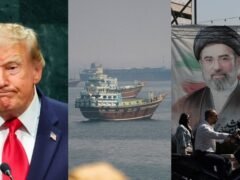
The ICC tried to take on the world’s big powers. Now it’s fighting for survival.
The International Criminal Court finds itself snared in geopolitical conflicts after targeting the leaders of Israel and Russia.
Published on: Aug 30, 2026, 11:00:15 IST
Prefer HTon Google
Share via
Copy link
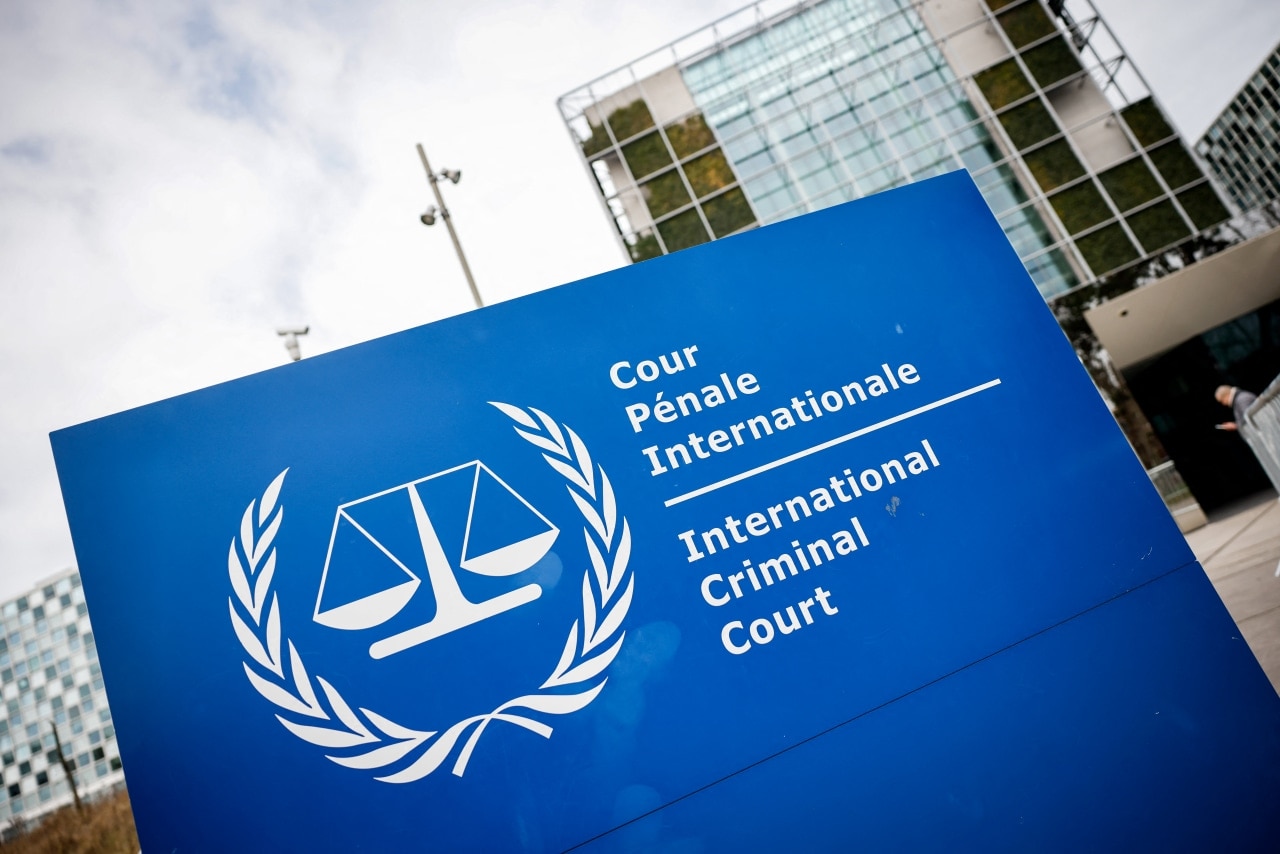
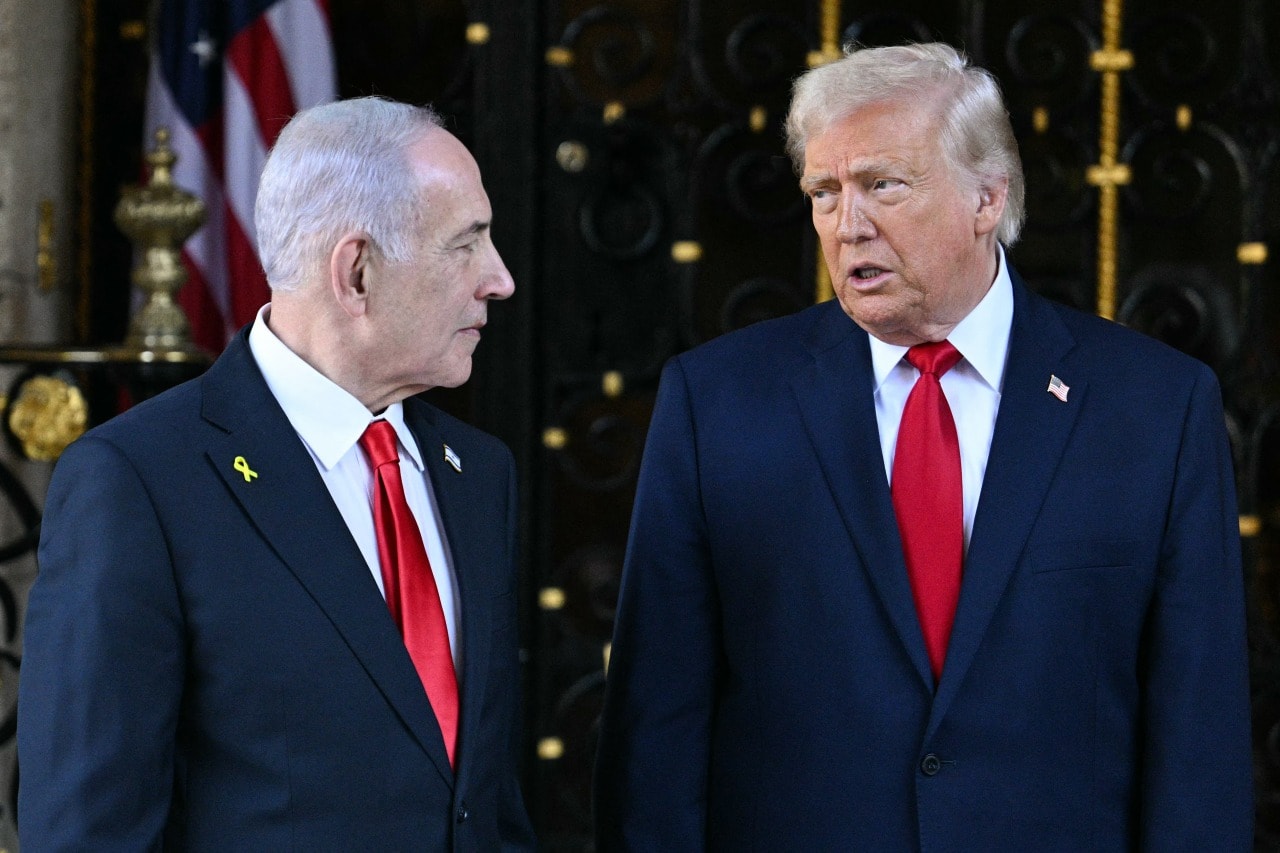
When the International Criminal Court issued arrest warrants for Vladimir Putin and Benjamin Netanyahu, human rights groups applauded the decision to go after the leaders of major powers, not just African dictators and warlords that were the court’s usual targets.
Now those moves have thrust the ICC into a geopolitical maelstrom that is threatening its survival.
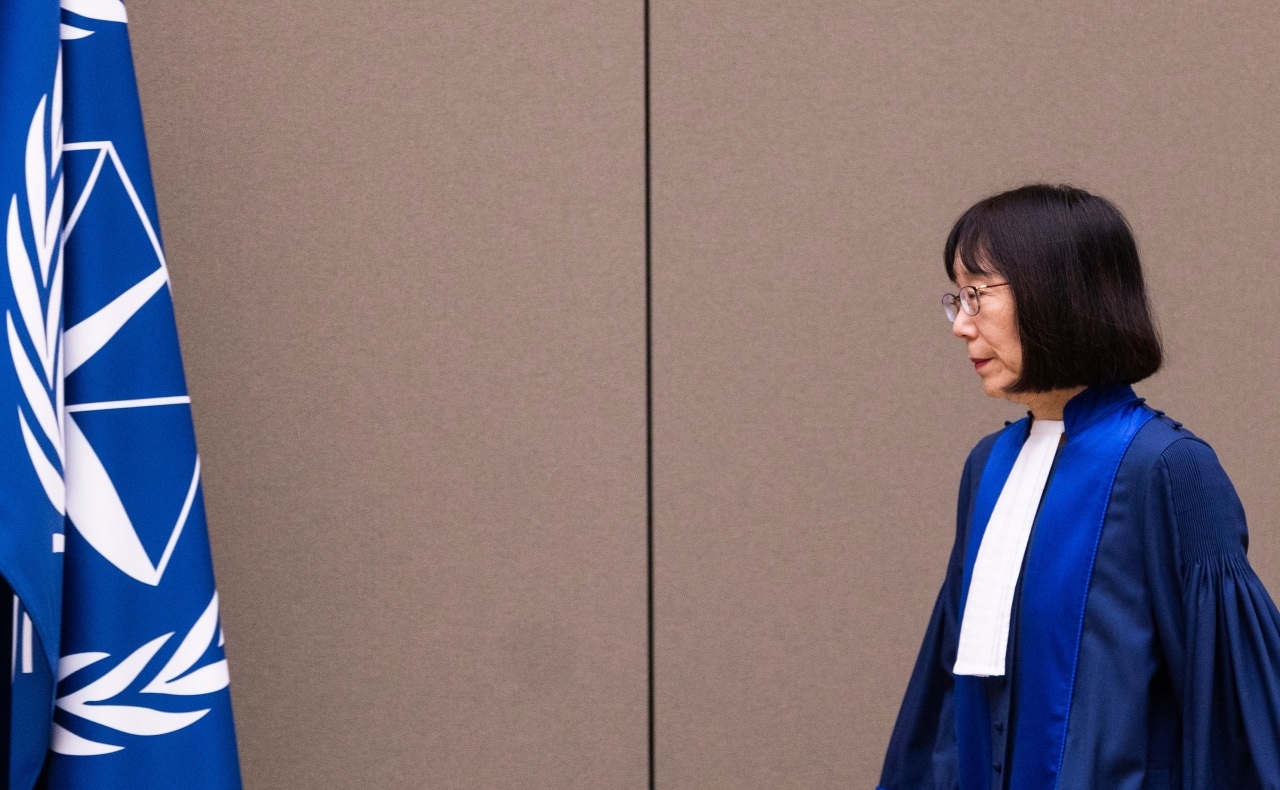
The Trump administration has pledged to dismantle the ICC, following up on a raft of sanctions it levied against court officials over the Netanyahu warrant. This month, the U.S. slapped sanctions on ICC President Tomoko Akane and Abdoulaye Seye, a Senegalese lawyer who is leading the court’s investigation of Israel.
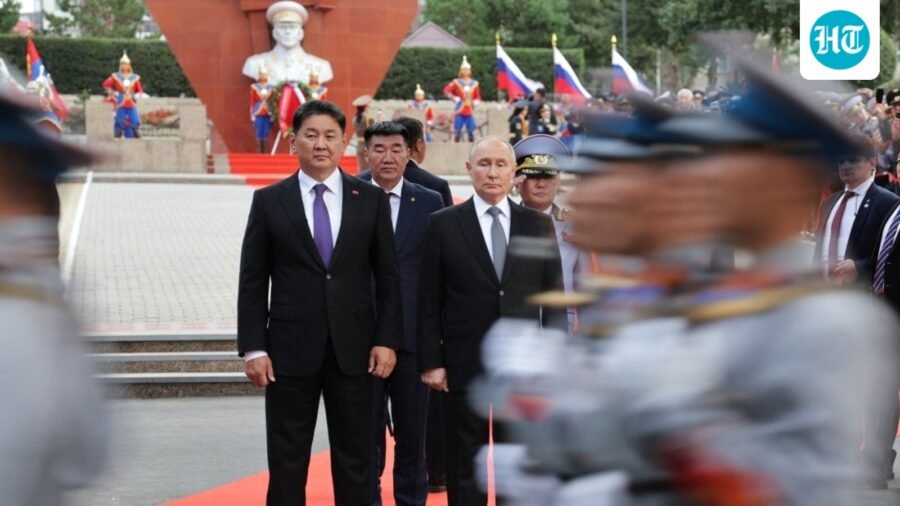
Meanwhile, Putin has traveled to two ICC member nations—Mongolia and Tajikistan—that have refused requests from the court to arrest the Russian president. European nations have also cast doubt on whether they would execute the Netanyahu warrant should the Israeli leader visit.
U.S. pressure recently led Venezuela and Chad to announce their withdrawal from the Rome Statute, the court’s founding treaty. The sanctions have also gummed up its daily operations: Fearing that Microsoft would stop working with the ICC, the court ditched Microsoft Office in favor of an inferior German open-source operating system that has hamstrung the institution, officials said.
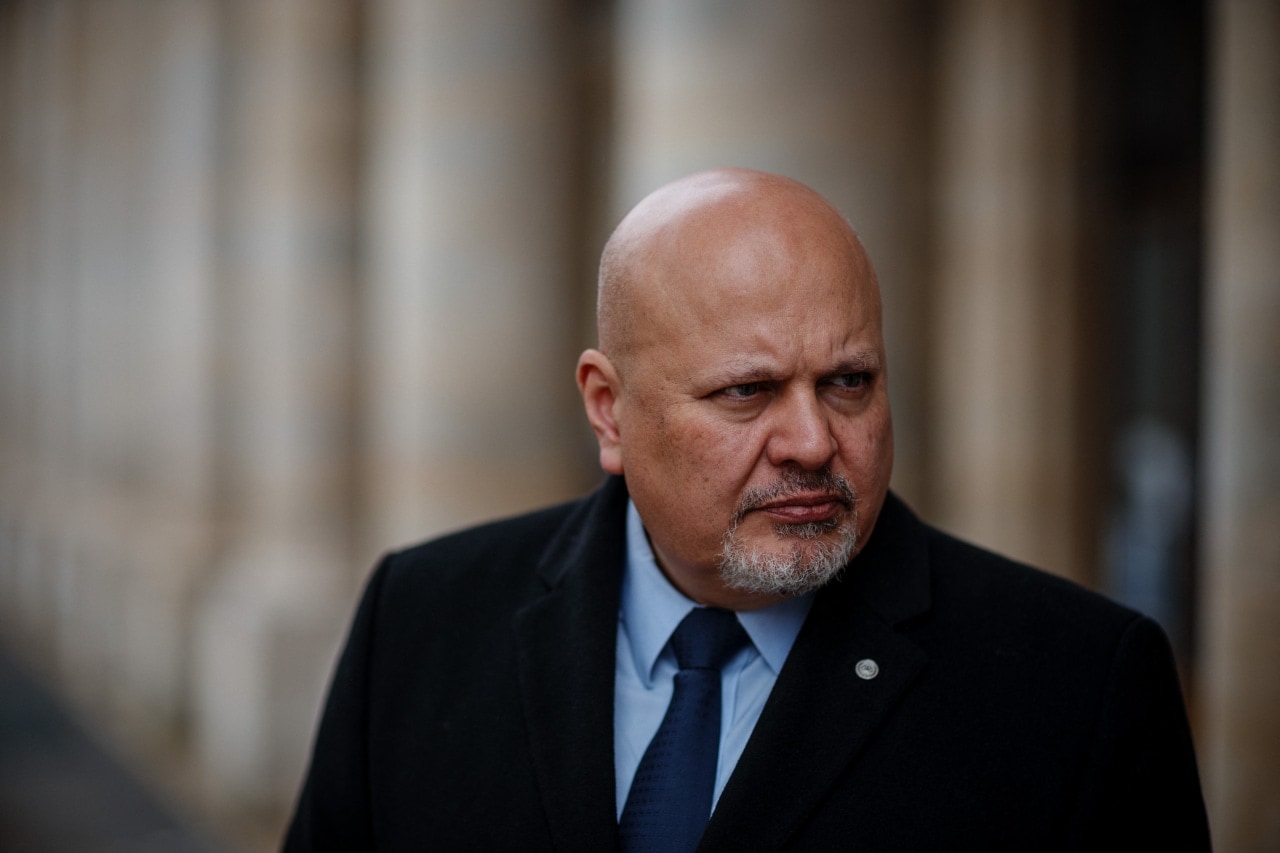
The clashes have threatened years of work by the ICC and its backers to establish the authority of the court. Sexual assault allegations against Chief Prosecutor Karim Khan have further damaged the ICC’s credibility. An institution with a mission that includes prosecuting sexual violence was led by a man accused of coercing one of his aides into sex on multiple occasions over many months. After more than 18 months of investigation and debate, ICC member countries voted last month to oust Khan.
Based in The Hague, the ICC was created in 1998 to cement the role of international law in punishing the worst human rights abuses. It’s heir to the Nuremberg tribunals and special courts established to prosecute crimes from the Balkan wars, the Rwandan genocide and other conflicts of the 20th century. Yet questions about its authority and power have been a central concern ever since nations signed the Rome Statute. Some of the world’s most powerful and populous nations—the U.S., China, India and Russia—aren’t members of the court. Israel isn’t either.
For much of its history, the ICC didn’t bother those countries as it concentrated on arresting suspects and obtaining convictions in its African cases. It has apprehended 23 people under arrest warrants, while 35 others remain at large, along with an unknown number sought under warrants that remain sealed. Meanwhile, high-profile cases have collapsed or were withdrawn because they had been poorly constructed or witnesses couldn’t be protected.
“Its general problem is it can’t get the perpetrators in custody,” said Stephen Rapp, the former U.S. ambassador-at-large for war crimes and chairman for the Commission for International Justice and Accountability. “The court has not been effective as a judicial institution even when it has had the perpetrators in custody.”
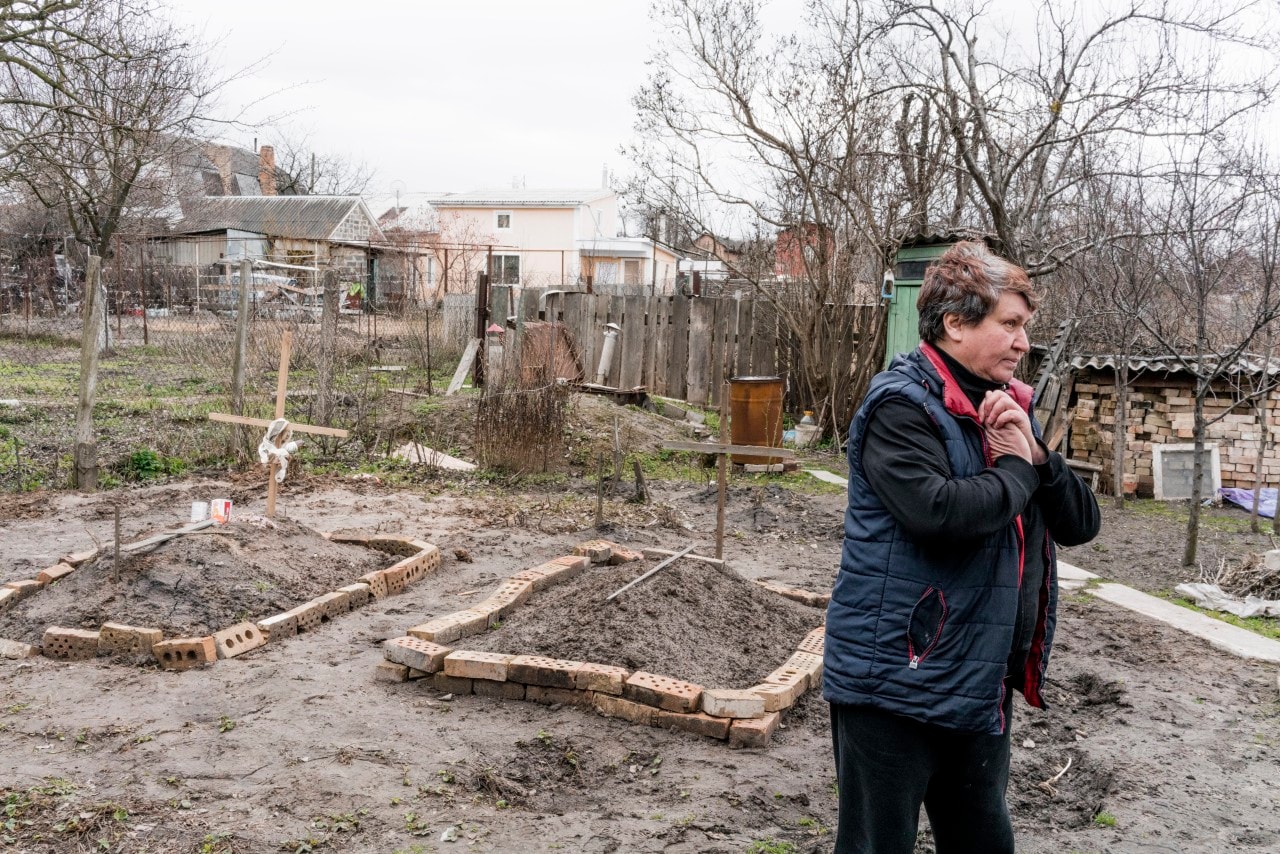
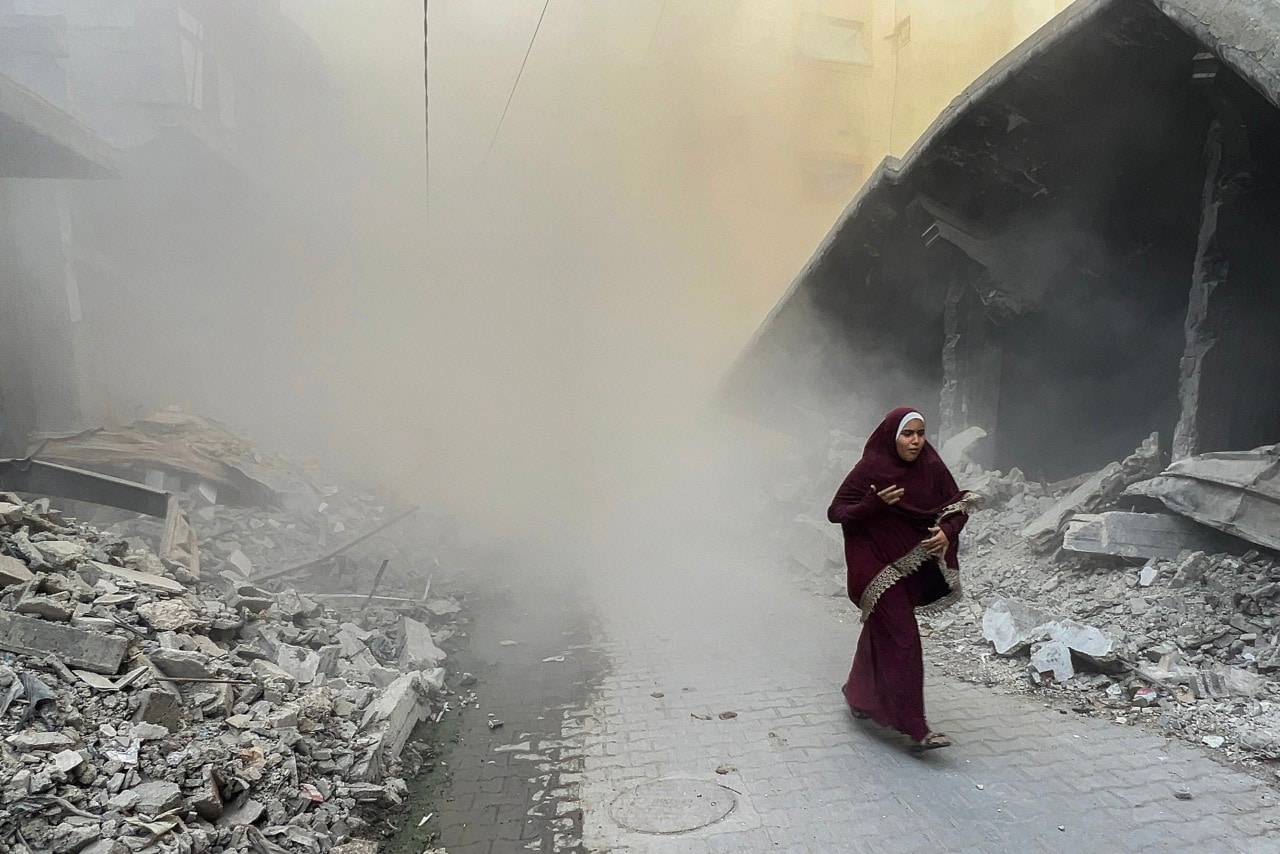
The ICC began to concern the great powers when it ramped up investigations of abuses by nonmember states on the territories of member states. The ICC prosecutor’s office investigated alleged war crimes by U.S. forces and the Central Intelligence Agency in Afghanistan, Russian authorities in Ukraine and Israeli forces in Gaza.
Now those probes are driving the Trump administration’s campaign against the court.
“The ICC has repeatedly attempted to assert authority over nationals of the United States and other countries that have not consented to its jurisdiction or ratified the Rome Statute,” said Secretary of State Marco Rubio. “This sets a dangerous precedent for all nations.”
Rubio wasn’t concerned about the precedent in 2022, when as a senator he co-sponsored a resolution encouraging the ICC to investigate war crimes in Ukraine. Then came the charges against Netanyahu and former Israeli Defense Minister Yoav Gallant, which destroyed the U.S. relationship with the court.
Though the ICC treaty allows such investigations, the chief prosecutor can also decline to step in if the chances of a successful prosecution are low. In 2021, shortly after the U.S. withdrew from Afghanistan, Khan decided to “deprioritize” the court’s investigation into alleged crimes committed by U.S. forces and focus instead on those committed by the Taliban.
“I am cognizant of the limited resources available to my office relative to the scale and nature of crimes within the jurisdiction of the court that are being or have been committed in various parts of the world,” Khan said.
Since issuing the warrants for Netanyahu and Putin, ICC judges have demanded that member states enforce them on at least three occasions, without success. The court’s authority under the Rome Statute, the judges ruled, overrides immunity accorded heads of state under treaties such as the Vienna Convention, which governs diplomatic relations between governments.
“The International Criminal Court is not only indisputably international in nature but also inherently independent of State influence,” a panel of ICC judges wrote in ruling against Mongolia for not arresting Putin. “The Court has progressively evolved to the effect that it acts in the interests of the international community as a whole.”
Yet states like Mongolia and Tajikistan can little afford to antagonize their giant Russian neighbor. Russia supplies almost all of the two countries’ refined fuels and 13% of Mongolia’s electricity. Mongolian officials said Russia had been limiting energy exports to the country before Putin’s visit, essentially forcing the government to roll out the red carpet for him.
Hungary welcomed Netanyahu last year, refusing an ICC request to arrest him while announcing that it would withdraw from the Rome Statute. This year, the newly elected Hungarian government said it would remain a member of the court.
The Rome Statute allows the court to intervene in most cases only when national authorities are unwilling or unable to investigate abuses. That means the ICC usually acts in failed or authoritarian states—such as Sudan, Libya and the Central African Republic—where there is little prospect that an independent prosecution can take place.
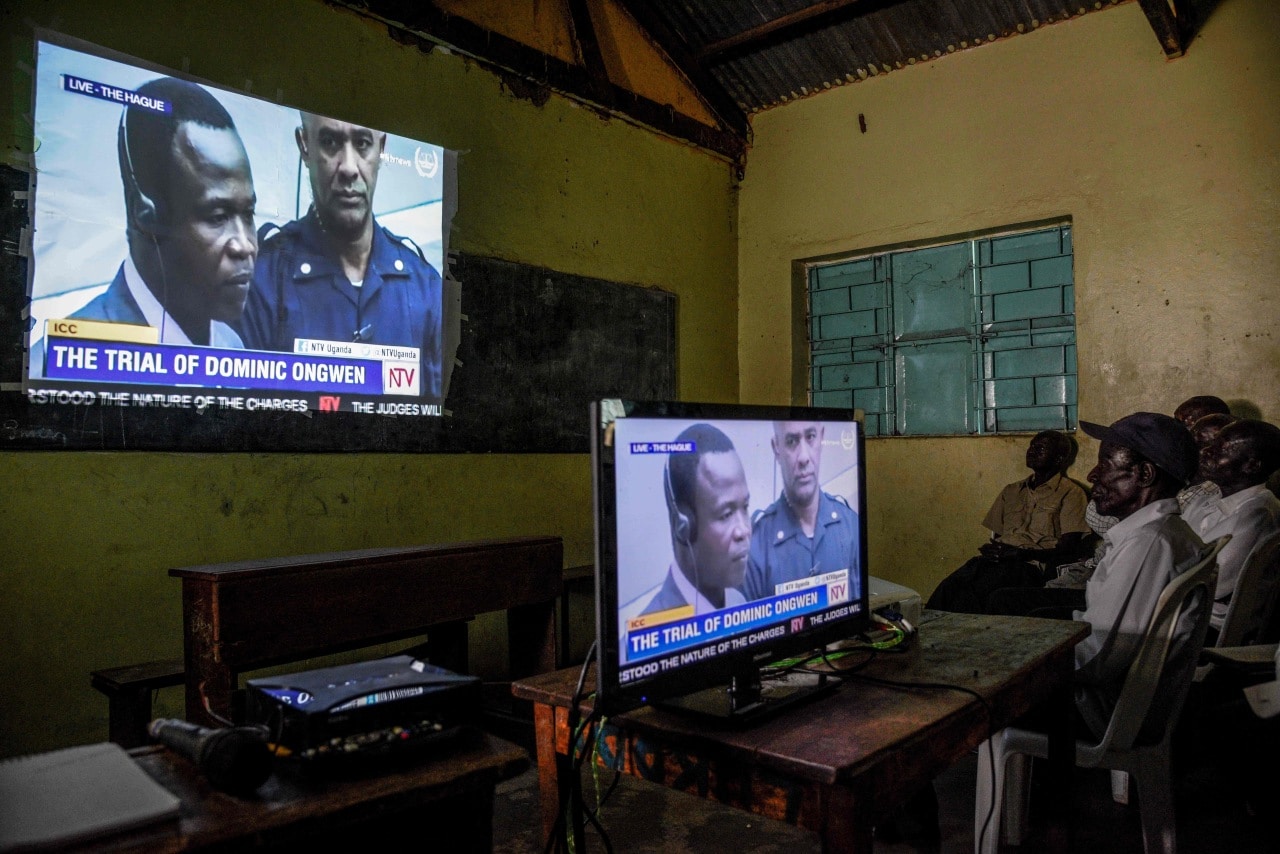
In its 24-year history, the court has convicted nine people of the core offenses of war crimes and crimes against humanity, and another five of minor offenses such as witness tampering. All of them were from African nations.
Its case against Israeli officials was the first time the ICC has charged a country with a robust, independent judiciary. That was a mistake, said John Bellinger, former senior legal adviser at the U.S. State Department under George W. Bush.
Still, Rubio should have proposed a way to improve the court rather than simply calling for its destruction, Bellinger added.
“The Bush administration found that there really are atrocities, human rights violations, genocide for which there are no other alternatives,” to the international court, he said.
Write to Matthew Dalton at Matthew.Dalton@wsj.com
See Less