Tata Sons annual meeting may not happen in August. Here’s why
Tata Sons annual meeting may not happen in August. Here's why
Sir Ratan Tata Trust was unable to nominate a representative due to a regulatory restriction imposed by Maharashtra's Charity Commissioner.
Updated on: Aug 15, 2026, 14:43:46 IST
Prefer HTon Google
Share via
Copy link
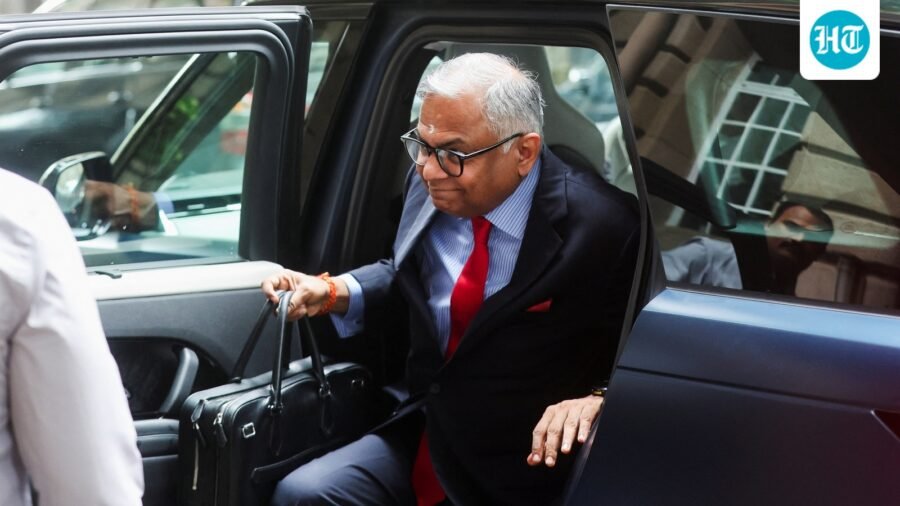
The Tata Sons annual general meeting scheduled for August 18 may not take place after Sir Ratan Tata Trust, a key shareholder in the holding company of the Tata Group, was unable to nominate a representative due to a regulatory restriction imposed by Maharashtra's Charity Commissioner, people familiar with the matter said.
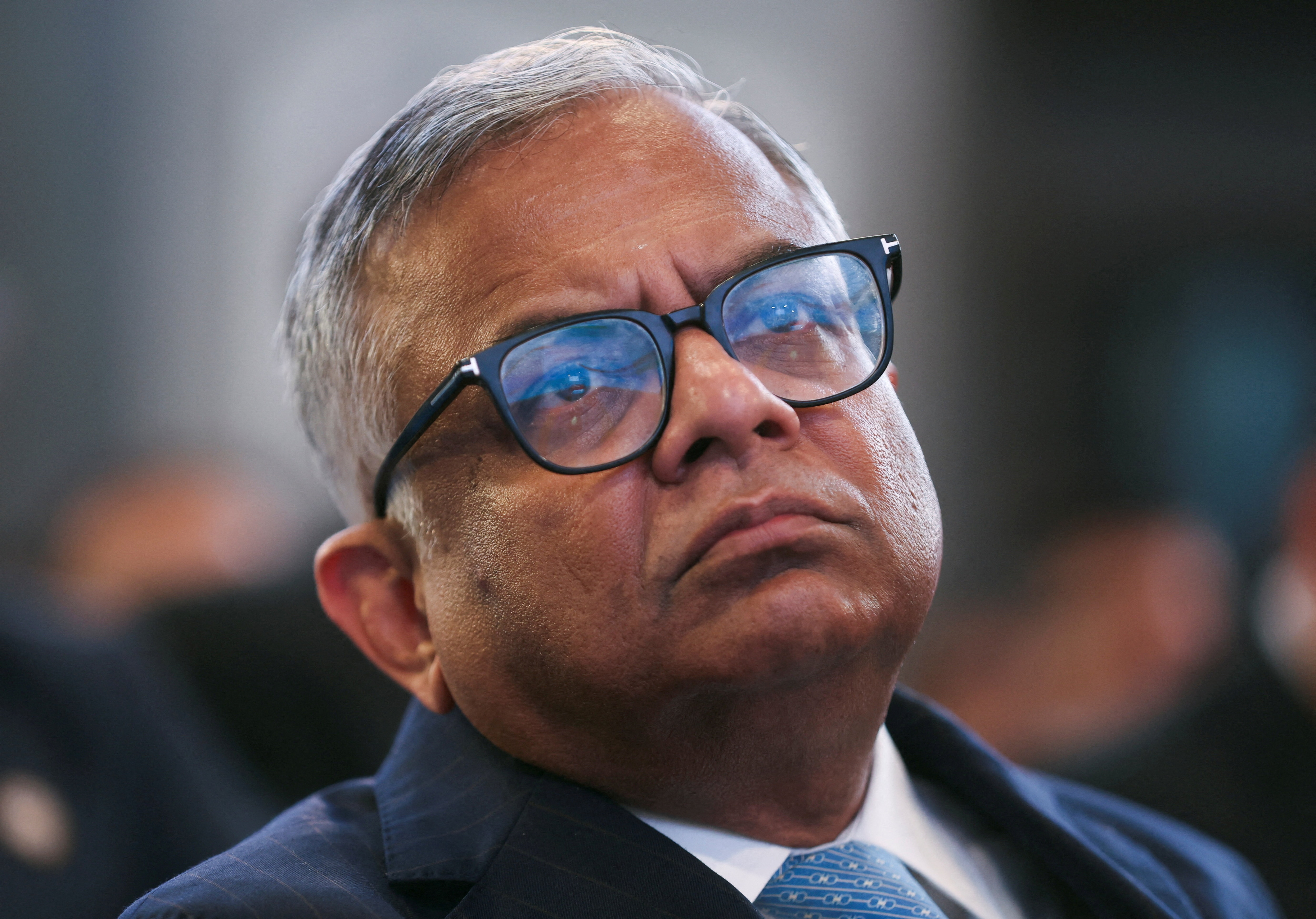
The meeting is scheduled to consider, among other matters, the directorship of Tata Sons Chairman N Chandrasekaran, who has decided not to seek another term when his current tenure ends in February.
Tata Sons has not communicated any change in the scheduled AGM date to shareholders, the people said.
Latest indications are that the company plans to proceed with the meeting but could adjourn it if the required quorum is not achieved.
The problem stems from the inability of the Sir Ratan Tata Trust (SRTT) – which holds a 23.56 per cent stake in Tata Sons – to hold a board meeting because of an order issued by the Maharashtra Charity Commissioner in May pending an inquiry into the composition of its board. Without a board meeting, SRTT cannot jointly nominate a representative with the Sir Dorabji Tata Trust (SDTT), a step required under Tata Sons' Articles of Association for the AGM quorum.
SDTT holds 27.98 per cent of Tata Sons.
Article 86 of Tata Sons' Articles of Association requires at least five members to be personally present at the AGM, including a representative jointly nominated by SRTT and SDTT as long as the two trusts together hold at least 40 per cent of Tata Sons. The two trusts collectively hold about 66 per cent of the company, making the provision applicable.
Besides, the Shapoorji Pallonji family owns about 18.37 per cent of Tata Sons.
The earliest way forward for the AGM of Tata Sons, the holding company of the over USD 180-billion Tata Group, to take place could be when the 'lifetime trustees' of SRTT relinquish their position and renominate themselves as trustees with fixed tenure to abide by the amended Section 30A(2) of the Maharashtra Public Trusts Act, a person with direct knowledge said.
Section 30A(2) of the Act restricts perpetual or lifetime trustees on a trust to a maximum of 25 per cent of the overall board strength.
"As of today, they (SRTT) don't have permission from the Charity Commissioner to hold a board meeting of SRTT. If SRTT cannot hold a board meeting, they cannot jointly nominate people to attend the AGM, which is a requirement for quorum. When the quorum is not there, they cannot hold the AGM as it stands today," a person with direct knowledge of the development said.
Comments from Tata Sons could not be obtained as an email query remained unanswered.
The regulatory impasse dates back to May, when the Charity Commissioner directed SRTT to defer a proposed trustee meeting and ordered an inquiry into alleged non-compliance with Section 30A(2) of the Maharashtra Public Trusts Act. The provision, introduced through a 2025 amendment, limits perpetual or lifetime trustees to not more than 25 per cent of a public trust's board.
A petition seeking its intervention for SRTT's violation of Section 30A(2) of the Maharashtra Public Trusts Act stated that SRTT had six trustees and three of them — Jimmy Naval Tata, Jehangir HC Jehangir, and Noel Naval Tata — are lifetime trustees, constituting 50 per cent of the board, exceeding the statutory ceiling of 25 per cent.
Tata Trusts, however, has argued that the amendment is prospective and does not apply to perpetual trustee appointments made before it came into force on September 1, 2025. It has also described the Charity Commissioner's May direction as having been issued ex parte.
Earlier this week, Tata Trusts vice-chairman Vijay Singh stepped down as a trustee of SRTT, which owns 23.6 per cent of Tata Sons, and has decided not to seek a renewal when his term expired on August 14.
Despite the uncertainty over the AGM, it is understood that Tata Sons has not yet communicated any possible changes or postponement of the meeting to its shareholders.
"What they have done is circulated the meeting date for August 18, but they have not sent any revised date or a recalculation of when it will happen to the shareholders," a source said.
The issue has become critical because SRTT owns about 23.5 per cent of Tata Sons and, together with SDTT and other Tata Trusts, sits at the centre of the ownership and governance structure of the Tata Group. The Tata Trusts collectively control a majority stake in Tata Sons, while the Shapoorji Pallonji family holds about 18.4 per cent.
A resolution of the SRTT governance issue could provide the quickest route to resolving the AGM impasse. One possible route, according to people familiar with the matter, would involve the perpetual trustees relinquishing their existing status and being reappointed for fixed terms in compliance with the amended law.
The timing is particularly sensitive because the Tata Sons board has already postponed a decision on Chandrasekaran's reappointment. Tata Trusts have begun the process of setting up a panel to recommend his successor after Chandrasekaran decided not to seek another term.
If the August 18 AGM cannot meet the quorum requirement and is adjourned, Chandrasekaran would remain a director until a legally valid AGM is held, according to people familiar with the matter.
The standoff therefore risks turning what would ordinarily be a routine shareholder meeting into a test of the governance mechanisms governing India's largest business group, with the Tata Trusts' internal regulatory dispute now directly affecting the functioning of its principal corporate holding company.
See Less

Belgium wildfire burns at least 1,600 hectares
By Sohail Khan · 15 Aug
Jharkhand students escalate protest on Aug 20
By Sohail Khan · 15 Aug
Bangladesh PM likely to visit India next week
By Sohail Khan · 15 Aug
Leave a Reply