State of exception: On India, the UN CERD report
In its first review by the U.N. Committee on the Elimination of Racial Discrimination (CERD) since 2007, India has elicited an expression of “grave concern” about reports of the law enforcement apparatus resorting to violence — physical and otherwise — against minority ethnic and ethno-religious groups, Dalits, and non-citizens over the years. The Committee also noted that India, which ratified the International Convention on the Elimination of All Forms of Racial Discrimination in 1968, has not provided detailed and updated information about the state’s inquiries and sanctions arising from allegations of such violence. While the government has told CERD that caste bias falls outside Article 1 of the convention because caste is not synonymous with race, CERD has allowed all forms of discrimination based on inherited status. The Committee’s concerns also span the practice of manual cleaning of sewers despite a law banning it; hate speech against, poor living conditions of, and the mass refoulement of Rohingya Muslims; the mass deprivation of citizenship via the National Register of Citizens; large-scale deletions from the Special Intensive Revisions of electoral rolls; the government’s use of the FCRA, UAPA, AFSPA, and PMLA instruments to hamper the work of civil society organisations; the Bharatiya Nyaya Sanhita not expressly criminalising racist hate speech; and the Forest (Conservation) Amendment Act exempting “national security” projects from consultative decision-making.
Given these issues and the fragmented recourse available, the lack of suitably disaggregated data on disenfranchised communities, including due to a much-delayed Census and the slow release of NCRB data, has transcended the bounds of administrative lethargy to actively impeding independent checks of India’s claims about fighting caste- and faith-based discrimination. In fact, India has been implementing “special measures” based on 2011 Census data, which could mask a regression in the socioeconomic status of Scheduled Tribes and Adivasis. Together with the Global Alliance of National Human Rights Institutions recommending the downgrade of the NHRC last year, following the government appointing police officers to investigative roles and a lack of pluralism, CERD is effectively stepping into a vacuum. The road ahead remains clear, from restoring the NHRC’s independence and criminalising hate speech to supportive affirmative action, collecting and publishing disaggregated data, and improving the transparency of the electoral roll revisions, and strengthening enforcement overall. But if the government’s attempted use of a technicality to keep the issues of 200 million Dalits a “domestic matter” and avoid international accountability — and its dismissal of CERD’s concerns as politically motivated — is any guide, the task continues to fall to civil society to exert influence in multilateral fora and sustain political, legal, and administrative resistance to government choices that normalise India’s sadly widespread culture of discrimination of all sorts.

Heart attacks in fit women in their 30s and 40s: The hidden risk doctors want you to know
By Sohail Khan · 29 Sep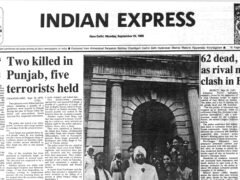
40 years ago September 29, 1986: Violence and arrests in Punjab
By Sohail Khan · 29 Sep