Sitting for more than 8 hours a day? Cardiologist explains what it could be doing to your heart

Sitting for more than 8 hours a day? Cardiologist explains what it could be doing to your heartPublished on: Aug 25, 2026, 17:02:12 IST
Prefer HTon Google
Share via
Copy link
You may be exercising enough, but sitting too long could still hurt your heart. Here’s what a cardiologist wants you to know.
Most people today spend 8 to 10 hours sitting. Office work, online meetings, travel, food delivery, and late-night screen time have made this common. Doctors are now seeing the impact of this on heart health. Sitting for more than 8 hours a day is being recognised as a separate risk factor for heart disease. Dr Sanjeev V K, attending consultant cardiologist, Gleneagles Chennai, revealed how long sitting hours can impact your heart.
Also read | Why prioritising heart health is one of the most important forms of self-care for mothers
How does it affect the heart?
Dr Sanjeev highlighted that when you sit for long stretches, your blood circulation slows. The muscles aren’t burning sugar and fat properly. Over time, that leads to higher blood sugar, higher triglycerides, and lower good cholesterol. Your arteries also become less flexible.

Slow blood flow also raises the risk of clots. “We are seeing this more often now, even in younger adults who otherwise seem healthy. In day-to-day practice, there are more patients in their 30s and 40s coming in with early BP, cholesterol and fatigue issues,” highlighted Dr Sanjeev. Sedentary work is a common link. Our body needs movement. Without it, both the heart and metabolism get affected.
Three new trends adding to the problem
1. Long hours on video calls: Many people sit continuously for 4 to 5 hours during work with no break.
2. Eating at the desk: Ordering food and eating while working means more sitting and poor food choices.
3. Heart issues at a younger age: Lack of movement, poor sleep, stress, and long sitting hours are common in patients under 40 who come with BP and cholesterol issues.
Does exercise help at all?
Exercise is good and must be done. But 30 to 45 minutes of exercise cannot balance 10 hours of sitting. The key is to move during the day, not just once.
Signs to watch out for
Swelling in feet and ankles by evening
Breathlessness on climbing stairs
Tiredness even after proper sleep
Rise in blood pressure, sugar or cholesterol in checkups
Pain or heaviness in calves
People with diabetes, high BP, obesity, or family history of heart disease need to be more careful.
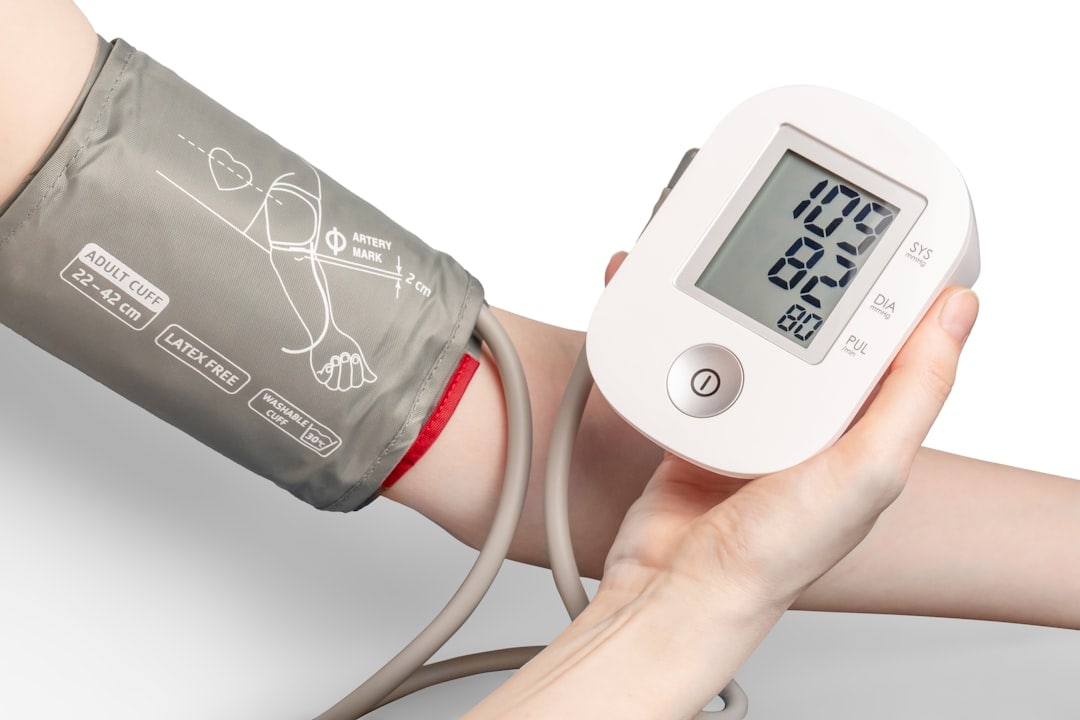
What can you do if your job involves long sitting?
1. Break up sitting time: Stand up for 30 seconds every 30 minutes. Take calls while standing.
2. Walk after meals: 5 to 10 minutes after lunch and dinner.
3. 150 minutes a week: Brisk walk, cycle, or any activity for 30 minutes, 5 days a week.
4. Watch what you eat at the desk: Avoid regular tea, coffee, and snacks. Keep water and nuts.
5. Get yearly tests done: Blood pressure, sugar, cholesterol profile, and ECG.
According to Dr Sanjeev, you can’t avoid sitting completely. But you can avoid sitting non-stop. Don't treat a morning workout as a free pass to sit the rest of the day – both matter independently. Small steps like walking, standing, and using stairs help the heart. Don't skip regular heart health check-ups, especially with a sedentary job, family history, or other risk factors. Early action prevents bigger problems later.
Note to readers: This article is for informational purposes only and not a substitute for professional medical advice. Always seek the advice of your doctor with any questions about a medical condition.
Catch every big hit, every wicket with Crick-it, a one stop destination for Live Scores, Match Stats, Quizzes, Polls & much more. Explore now!.
Catch your daily dose of Fashion, Taylor Swift, Health, Festivals, Travel, Relationship, Recipe and all the other Latest Lifestyle News on Website and APPs.
See Less

Feeling low after childbirth? Doctor shares how to know if it is postpartum depression
By Sohail Khan · 25 Sep