Shenaz Treasury squeezed ‘shampoo’ from a flower: ‘You don’t lose hair with it’

Markets are filled with expensive shampoos promising shiny, dandruff-free, flowy hair. But what if you could get all that from a plant, absolutely free of cost?
Actor and travel creator Shenaz Treasury recently left haircare fanatics curious after sharing a plant she called “nature’s shampoo.”
In an Instagram reel, Shenaz squeezes a clear, slippery liquid from the cone-like flower of the Shampoo Ginger (Zingiber zerumbet) plant, claiming it cleans hair, softens it, gets rid of dandruff and even prevents hair fall—all without chemicals.
Story continues below this ad
“I’m literally squeezing out shampoo from a flower…. When the flower matures, it fills with this beautiful slippery fuzzy liquid, and this is really, really good for your hair. It cleans it, it softens it, it takes off all your dandruff, and you don’t lose hair with it. No chemicals, absolutely natural, and it smells divine.”
The plant has traditionally been used for hair care in parts of Asia, as Treasury said in the reel. But can it really replace your regular shampoo? We asked dermatologists.
Can it really replace your shampoo?
Yes—but don’t expect it to clean your hair the way a regular shampoo does.
Story continues below this ad
“Yes, the clear gel-like liquid inside the pinecone-shaped flower is traditionally used as a natural hair wash. It’s naturally foamy and slippery, so it can cleanse hair a bit. But it’s not as strong as regular shampoo for oil and dirt removal.” Dr Surabhi Deshpande, Dermatologist, Zynova Shalby Hospital, Ghatkopar, Mumbai, tells indianexpress.com.
Dr Dhanraj Chavan, MBBS, MD (Skin), ClearSkin Clinics and HairMD, Pune, agrees and further explains that the flower’s slippery texture comes mainly from water and mucilage, a gel-like substance that coats the hair and reduces friction, making it feel softer and smoother.
However, he points out that unlike “reetha (soapnut) and shikakai”, which contain natural cleansing compounds called saponins, Shampoo Ginger doesn’t have enough surfactants to effectively remove oil and dirt. So while your hair may feel clean after using it, it may not actually be free of buildup.
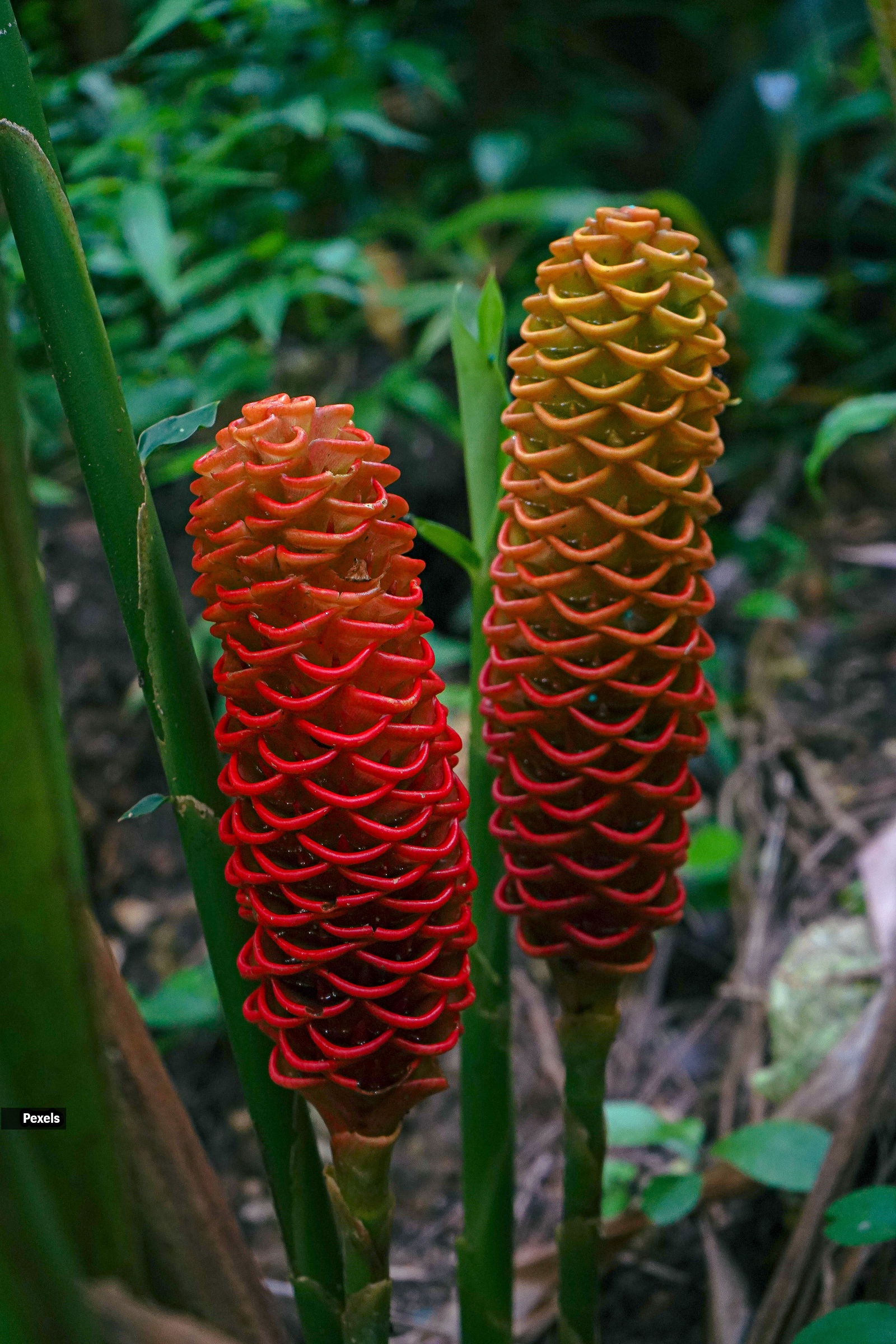 Dermatologists caution that raw plant exudate is not standard, not clean, and pH is not steady
Is it safe and does it really help dandruff?
For most people, applying the fresh extract is generally safe, but “natural” doesn’t automatically mean risk-free.
Story continues below this ad
Dr Deshpande says, “The raw liquid can cause itching, redness, or allergic reactions in some. Always do a patch test on your arm 24 hours before using it on scalp.”
Dr Chavan echoes the same and recommends doing the patch test behind the ear 24 to 48 hours before applying it to the scalp.” If the skin there stays normal, your scalp will most likely be fine too.”
He also points out that because the raw plant extract isn’t standardised or preserved, it may contain bacteria or mould.
People with allergies to ginger, turmeric, cardamom or related plants, as well as those with eczema, psoriasis, very sensitive skin or open scalp wounds, should avoid using it or consult a dermatologist first.
Story continues below this ad
“It has anti-inflammatory and anti-fungal compounds, so people report less itching and flakes. But there isn’t strong clinical research yet to fully prove it cures dandruff,” he further clarifies.
“Do not put it on broken skin, active folliculitis, or any scalp that had a hair surgery, PRP, or microneedling in the last four weeks,” Dr Chavan further cautions.
Is it better as a conditioner?
View this post on Instagram
A post shared by Travel, Romance, Smiles (@shenaztreasury)
That’s a better way to think about it, say dermatologists.
“It gives mild cleansing and a lot of slip/conditioning. It won’t remove heavy oil, product build-up, or pollution like a regular shampoo. Think of it more as a natural conditioner than a deep cleanser,” Dr Deshpande notes.
Dr Chavan agrees, adding that replacing shampoo entirely with plant-based rinses may allow oil to build up on the scalp over time, which can eventually lead to more flakes, itching and scalp odour. If you decide to try Shampoo Ginger, use fresh extract, don’t apply it on broken skin or a recently treated scalp, and don’t replace any prescribed scalp medication with it.
Story continues below this ad
Can it really prevent hair fall?
In the reel, Shehnaz Treasury also said that “you don’t lose hair with it”. However, this is one claim experts don’t support.
Dr Chavan explains that the hair shed during washing is usually telogen hair—hair that has already detached from the root as part of the normal hair growth cycle. The type of cleanser you use doesn’t change how much of this hair falls out. People using mild plant-based rinses also tend to wash their hair less often, so more naturally shed hair may accumulate between washes, making it seem like they’re losing more—or less—hair at once.
While Shampoo Ginger may leave hair feeling soft and conditioned, it shouldn’t be viewed as a replacement for regular shampoo or as a proven treatment for dandruff or hair loss. Until stronger clinical evidence is available, it’s best enjoyed as a traditional hair-care remedy rather than a miracle solution.

A nation’s song: On Vande Mataram’s rendition
By Sohail Khan · 25 Sep
Should permanent membership and veto powers of the UNSC be abolished?
By Sohail Khan · 25 Sep
How rare archival photos revealed the magic of Madras
By Sohail Khan · 25 Sep