SC notice to Centre over lapses in limiting child sexual abuse content online
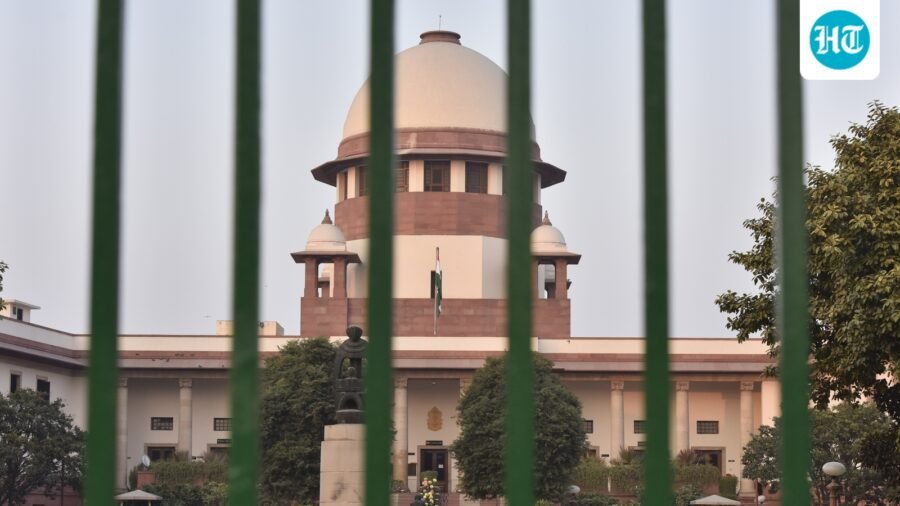
The Supreme Court has asked the ministries to file their counter affidavits by September 24, with copies to be served on the applicants two weeks in advance.
Published on: Aug 18, 2026, 12:03:32 IST
Prefer HTon Google
Share via
Copy link
The Supreme Court has put the Union government on notice over alleged lapses by social media intermediaries in complying with statutory safeguards against child sexual exploitation and abuse material (CSEAM), including their obligation to report such offences to Indian law-enforcement authorities and ensure that particulars of offenders are promptly uploaded to the National Database of Sexual Offenders (NDSO).
A bench of justices JB Pardiwala and K Vinod Chandran directed the Centre, through the ministry of electronics and information technology (MeitY) and the ministry of law and justice, to respond to the concerns raised by NGO Just Rights for Children Alliance, which has approached the court in a pending matter concerning protection of children from online sexual exploitation.
Paid advertisements and website redirects
The bench, in its order released on Monday, permitted the NGO to implead the two ministries as respondents and issued notice to them, returnable on September 24. The ministries have been asked to file their counter affidavits by the next date, with copies to be served on the applicants two weeks in advance.
The application has flagged alleged instances of social media platforms carrying paid advertisements promoting CSEAM, with users allegedly being redirected to other websites or platforms where such material was offered for money. It also alleged that such incidents were increasing despite advertising review mechanisms maintained by intermediaries.
The court said the issues brought before it were a matter of “serious concern” and merited its “full and anxious consideration”. The court recalled its September 23, 2024 judgment, in which it had held that intermediaries cannot claim the safe-harbour protection available under Section 79 of the Information Technology Act merely by complying with the IT Act if they fail to comply with the mandatory requirement of the Pocso act.
See Less

CEC Gyanesh Kumar postpones 2-day Chhattisgarh visit
By Sohail Khan · 7 Oct
Kilmar Ábrego Garcia is set to be back in court as he battles deportation to Liberia
By Sohail Khan · 7 Oct
Former German spy chief arrested for attempted treason, obtaining state secrets
By Sohail Khan · 7 Oct