Probe done, evidence in: Maharashtra government silent on prosecution sanction in Mantralaya bribe case
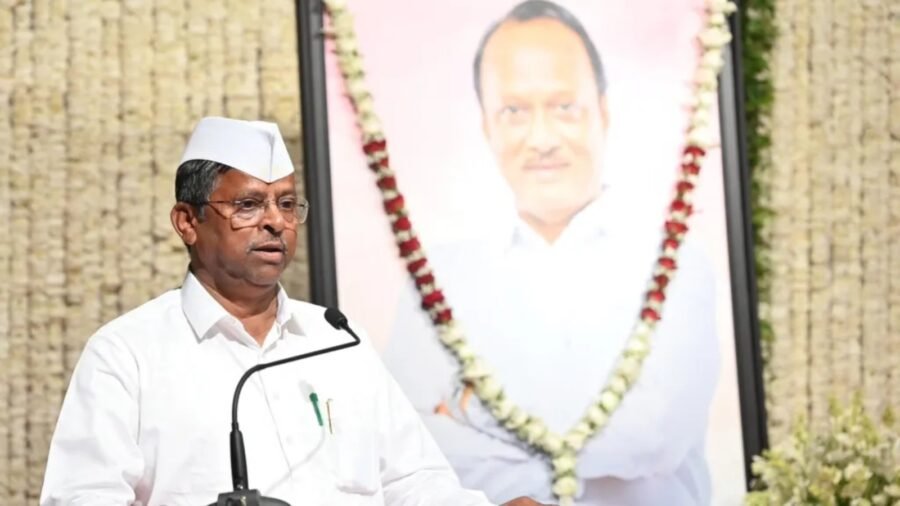
Months after the Anti-Corruption Bureau (ACB) carried out a rare trap inside Mantralaya and arrested a Food and Drug Administration (FDA) clerk for allegedly accepting a Rs 35,000 bribe, the agency is still waiting to hear from the state government on its request for prosecution sanction, sent more than a month ago.
The February 13 trap was carried out on the second floor of Mantralaya, the seat of the Maharashtra government, where the office of Minister for Food and Drugs Administration Narhari Zirwal is located. The raid had triggered a political controversy, with Maharashtra Congress president Harshvardhan Sapkal demanding Zirwal’s resignation and alleging that corruption was flourishing inside the state secretariat.
Zirwal had denied any involvement, saying the clerk was responsible for preparing documents for departmental hearings and that he would resign if any link to him emerged. “The incident that has occurred is extremely wrong. The person involved originally belongs to the Food and Drug Administration department. The act was committed by him, and no one will be shielded in this matter,” he had said. Days after the trap, Zirwal relieved his private secretary, Dr Ramdas Gade, of the post and repatriated him to his parent department.
The ACB has since completed its investigation and says it has sufficient evidence against Rajendra Dherange, a Class III FDA clerk, who allegedly demanded Rs 50,000 from a Mumbai-based medical store owner to restore a suspended licence. The amount was allegedly negotiated down to Rs 35,000.
ACB Maharashtra Director General Sanjiv Singhal said, “In the FDA case, the proposal seeking prosecution sanction has already been sent to the concerned department more than a month ago. However, we have not yet received a response. If no reply is received within 90 days, the evidence will be reviewed and a reminder will be issued.”
The sanction is what stands between the investigation and a courtroom. Section 19 of the Prevention of Corruption Act, 1988 bars a court from taking cognisance of offences under Sections 7, 11, 13 and 15 alleged against a public servant without prior sanction from the competent government or authority. Until the department clears the proposal, the ACB’s evidence against Dherange cannot go before a judge. The provision requires the authority to convey its decision within three months, extendable by one month where legal consultation is required, with reasons recorded in writing.
The ACB had begun investigating the case after the complainant allegedly submitted audio recordings of the bribe demand. Following independent verification, the agency laid the trap and allegedly caught Dherange red-handed while accepting the money.
Story continues below this ad
The case had initially widened the scrutiny to others in the department. An ACB official said there were allegations against the minister’s personal assistant as well, but no evidence was found against him. The official said the PA was in Delhi and not in Mumbai when the trap was carried out.
During the raid, the ACB also recovered Rs 42,000 apart from the alleged bribe amount from Dherange. Since only Rs 10,000 in cash is permitted inside the Mantralaya gate, the agency had said it would examine the source of the additional cash as well as Dherange’s call records and bank details.
An ACB official said investigations in trap cases are generally completed within two to three months, but the FDA probe took longer because of the sensitivity of the matter and the need to avoid attracting undue attention during the Assembly session.
According to ACB officials, prosecution sanction for Class A and Class B officers requires approval from the ACB Director General, while the Additional Director General can approve proposals involving employees in other categories, including Class III. The ACB forwarded the proposal to the department after obtaining that approval.