Morgues overflow after deadly Nepal floods; authorities turn to dry ice, QR codes, unused buildings
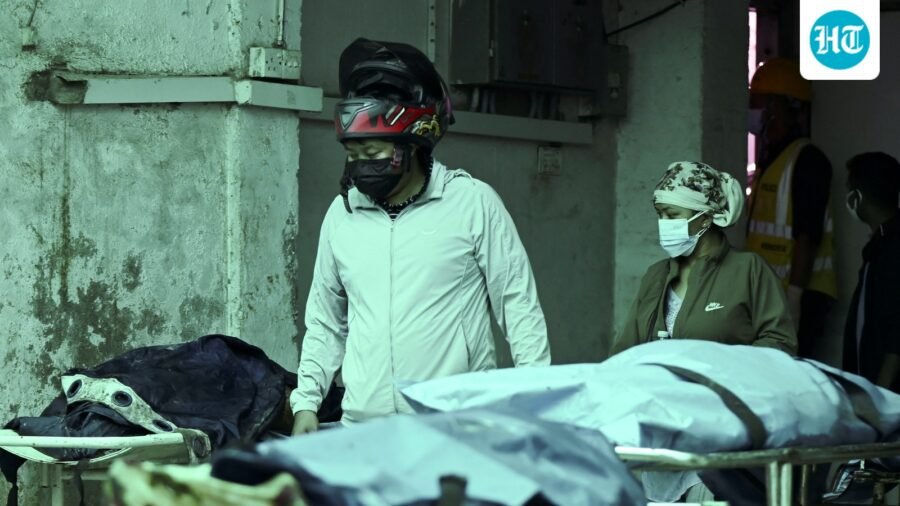
With morgues running out of capacity, authorities have transferred bodies to neighbouring districts.
Updated on: Aug 28, 2026, 14:56:45 IST
Prefer HTon Google
Share via
Copy link
Morgues across several districts in Nepal are running out of space as bodies of people that died in the devastating flash floods continue to surface.
At least 475 people have died in the floods that swept Bhotekoshi on Wednesday. Bodies that were swept downstream from Rasuwa and Nuwakot are being recovered as far away as Chitwan, Tanahun, Gorkha and Nawalparasi. Authorities have now set up temporary storage facilities to accommodate the victims' remains, Nepal daily, The Kathmandu Post, reported. Track latest on the Nepal floods here
With morgues in Nuwakot, Dhading and Nawalparasi running out of capacity, authorities have transferred bodies to neighbouring districts, including Pokhara. Hospitals in Pokhara are also nearing their limits after bodies began arriving from several flood-hit areas.
Chitwan prepares temporary morgue
Deep Dive
Powered ByAsk
In Chitwan, authorities are converting an unused building in Bharatpur into a temporary body-storage centre after local hospitals struggled to accommodate the number of remains being recovered.
Chitwan chief district officer Ganesh Aryal said hospital morgues in the district could collectively hold only 30 to 50 bodies at a time. The temporary facility is expected to provide space for around 250 bodies, as per Nepali media.
If that capacity exceed authorities have decided to use the electric crematorium at Devghat as an additional option. Bharatpur Metropolitan City will repair and equip the facility, including installing air conditioners and using dry ice to slow decomposition.
How bodies are being stored
Sushil Aryal, information officer at Pokhara Academy of Health Sciences, said bodies were being stored at temperatures between 2 and 6 degrees Celsius.
“Bodies can be kept like this for about 10 days to two weeks,” Aryal said. “If they need to be stored for longer, infrastructure capable of maintaining sub-zero temperatures is required. Pokhara does not currently have such a facility.”
He said the hospital had sufficient body bags, protective equipment and personnel to conduct post-mortems, but the continued recovery of unidentified remains could make the situation increasingly difficult.
Pokhara morgues exceed capacity
Morgues in Pokhara are also filling up as bodies are transferred from districts that lack sufficient storage facilities.
A total of 93 bodies have been transported to Pokhara from Tanahun, Gorkha, Nawalparasi East and Dhading.
Kaski chief district officer Kuman Singh Gurung said hospitals in the district, including Pokhara Academy of Health Sciences, could collectively accommodate 88 bodies.
The Pokhara Academy of Health Sciences has capacity for 72 bodies. “By the numbers, we are already above capacity,” Gurung said. “We have managed to accommodate them for now. If more bodies arrive, we will have to coordinate with nearby districts.”
A community forest hall in Kawasoti has also been converted into a temporary morgue, with an additional air conditioner installed to help preserve the bodies.
QR codes, body tag numbers
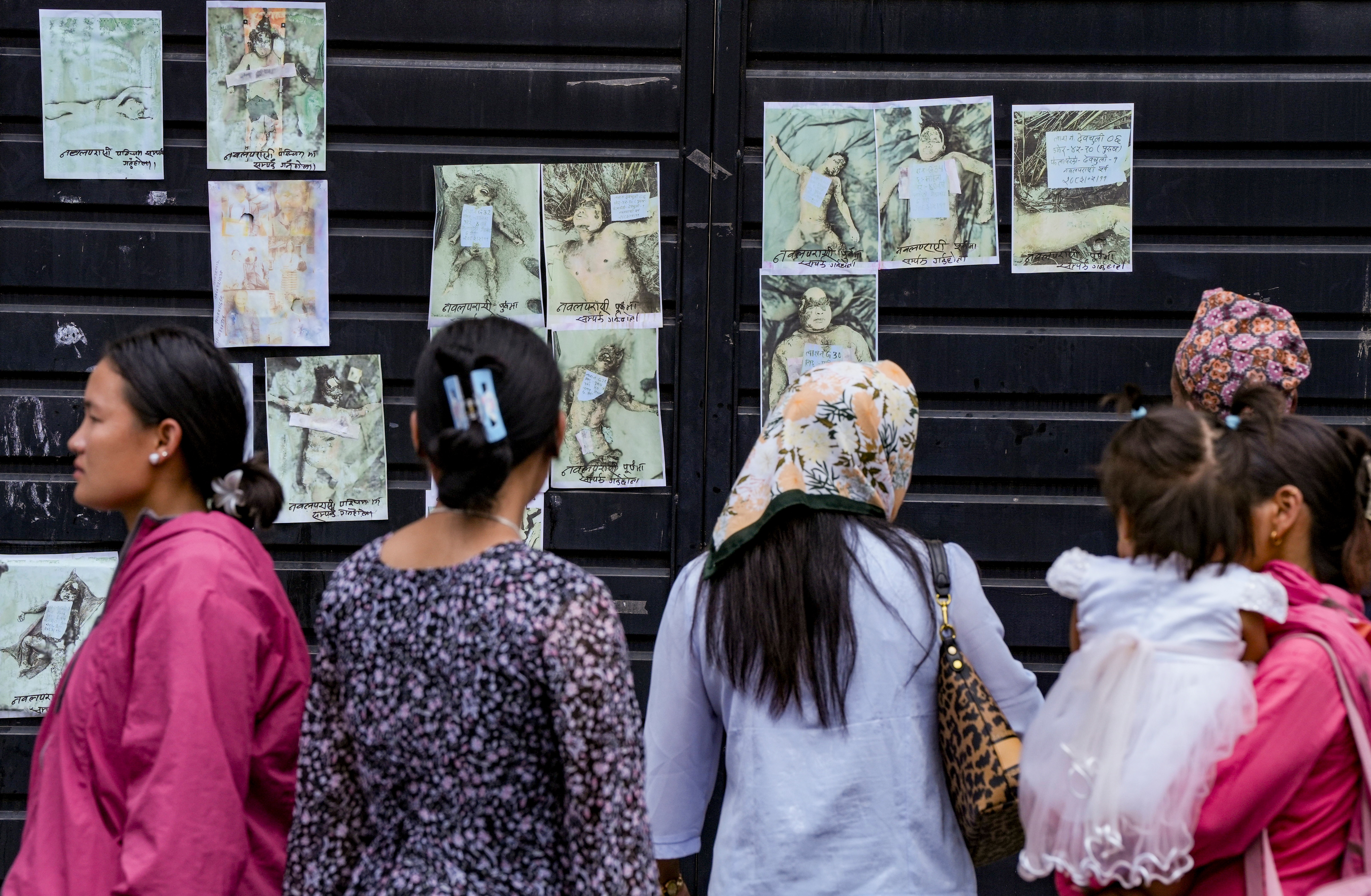
With many bodies still unidentified, authorities have begun putting procedures in place to ensure the remains can be traced and identified later. Police are taking photographs, fingerprints and DNA samples and conducting post-mortems. Images of bodies that can be identified visually are also being released to help families locate their relatives.
“If relatives cannot be located or the bodies identified, we cannot keep them indefinitely because fingerprints and DNA samples are collected beforehand,” Kaski police chief Superintendent of Police Nabin Karki said.
Authorities are working with local governments to designate secure burial sites for unclaimed remains. Each body will receive a tag number, while details of its burial will be recorded. DNA samples will be sent to Kathmandu for testing.
A QR code system has also been introduced to help families identify the dead.
Fresh flood alert, Trishuli evacuation
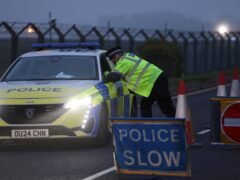
Nepal Police issued a fresh flood warning on Friday. People in the Trishuli area were evacuated after authorities warned that water levels could rise.
Rescue operations and road work were halted in vulnerable areas; vehicles and personnel were moved to safer locations.
Nepal Police officer P Chaudhary said, “The water level is about to rise, so everyone is being stopped. The vehicles that were engaged in the operation are all returning. They are all coming back. Everyone is being evacuated from there and is being taken to a safe location. All the work has stopped. Even worse flooding is yet to come; that is why everyone is being put on alert," ANI reported, citing Nepali media.
The warning came after a magnitude 5.1 earthquake struck Sichuan in southwest China. Nepal Police also said it had received information that a dam on the Tibet side burst again and asked security personnel, rescue workers and residents to move to safer locations.
Army rescues two from hydropower tunnel
The Nepali Army increased rescue operations at a hydropower project in Rasuwa, where workers were trapped inside a tunnel after the flooding.
Army personnel have so far rescued two workers. Prime Minister Balendra Shah chaired a Cabinet meeting at Singha Durbar on Friday as the government reviewed the disaster response.
See Less