Maharashtra man suffered brain haemorrhage. Centre-allocated funds were available, yet he died
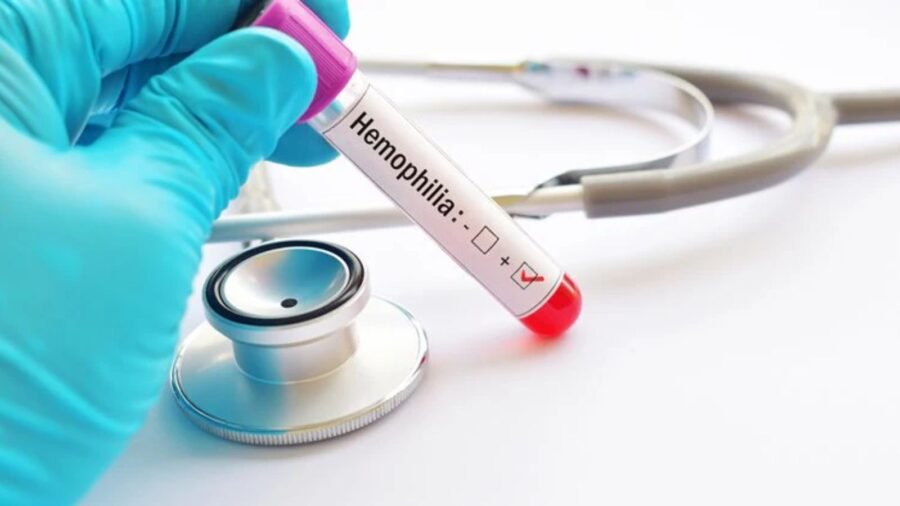
For 47-year-old Rajan Ganpat Sankpal, a haemorrhagic stroke and seizures quickly became a medical emergency. A CT scan showed extensive bleeding inside his brain, and doctors urgently sought 8,000 IU of anti-haemophilic Factor VIII. Sankpal, who lived with haemophilia A, died by the end of July.
His case has brought into sharp focus concerns over access to life-saving clotting-factor medicines for nearly 5,500 haemophilia patients in Maharashtra. Despite the Centre’s allocation, patient groups say Factor VIII shortages at government hospitals have persisted.
Haemophilia is a genetic bleeding disorder in which the blood does not clot properly, making timely access to clotting-factor medicines essential to prevent prolonged bleeding and serious complications.
“This year Maharashtra received Rs 55 crore under the Centre’s National Health Mission (NHM), while another Rs 91 crore had been allocated by the state this year, taking the total to Rs 146 crore. Despite the funds being available, procurement remains stalled,” said Jigar Kishore Kotecha, West Regional Council Chairman and Advocacy Head of the Hemophilia Federation of India, Maharashtra.
Earlier, the Hemophilia Society Maharashtra flagged shortages of Factor VIII at several civil hospitals.
Dr Sunil Lohade, vice-president of the Hemophilia Society of Maharashtra, said a six-year-old child had to travel nearly 400 km to Pune because Factor VIII was unavailable nearby. “The Hemophilia Society had to mobilise the medicine,” he said, citing another death case.
“Patients have also been demanding extended half-life clotting factors for the past three years,” he said.
Story continues below this ad
The government, however, said the issue was not a lack of funds.
Dr Suhas Mohnalkar, Director of the State Blood Transfusion Council, said districts could use funds through the District Planning and Development Committee and the costs are covered by the government if patients register under the Mahatma Jyotirao Phule Jan Arogya Yojana.
“If they are not using these mechanisms, the fault lies at the district level,” Mohnalkar said.
He said funds released by the Centre under NHM first go to the Finance Department, after which requirements are assessed, files prepared and approvals obtained before they are sent to the Maharashtra Medical Goods Procurement Authority (MMGPA) for tendering. “The latest purchase guidelines were received a few days ago and the files will now move through the process,” Mohnalkar said.
Story continues below this ad
MMGPA CEO Bapu Gopinathrao Pawar said there was no procurement issue. Government agencies could still procure Factor VIII at existing rates if they submitted a requirement.
Mumbai: BMC’s HBT Trauma Care Hospital May Face Added Patient Load As ESIS Seeks Empanelment
By Sohail Khan · 12 Sep