Lionel Messi’s international retirement: Football loses a part of its soul
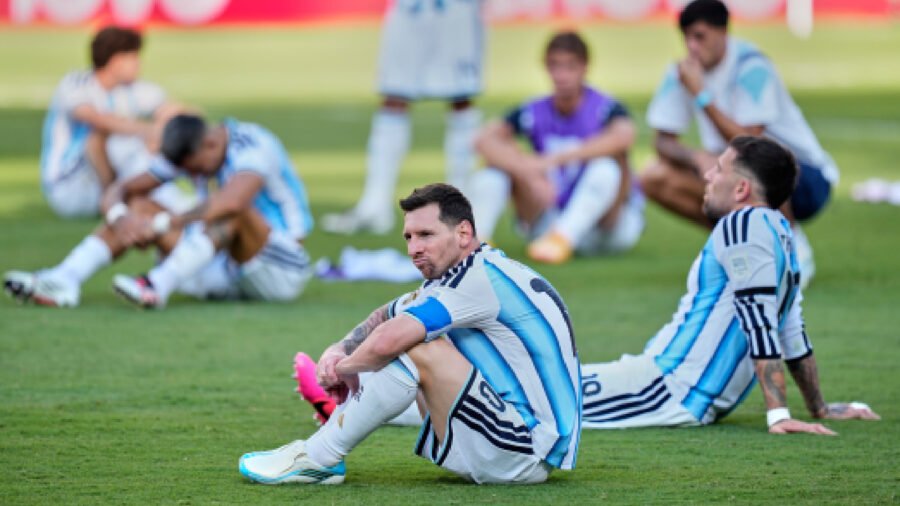
If words could cry, Lionel Messi’s emotionally-constructed retirement sentences, rather than a full-fledged speech, did. The lines were posted on Instagram, a platform that did not exist when he first wore the sky blue and white stripes of Argentina 21 years ago, and defined the shirt and its hallowed number – 10.
The lines were somewhat platitudinal yet so powerful that the reader could visualise Messi uttering those words, with hollow, sunken eyes; words stuttering, breath choking, the suffocating silence of the long pauses, the shrill voice echoing in the room, the applause and tears, the chaos and uproar in the room, and the immeasurable emptiness. “Time is running short, chapters come to a close, and this is one that hurts me deeply,” he wrote.
Emptiness strikes. It is not simply the power of words, but the power of Messi’s persona. The audience doubt the authenticity of the news, a part of their mind is still inclined to believe that it’s all a handiwork of an expert hacker; they reel in the belief that something more was left of him, an unseen trick or turn, a conviction that his talent hadn’t quite reached its end point. It is the intimacy that Messi had forged between him and his legion of fans.
View this post on Instagram
A post shared by Leo Messi (@leomessi)
But reality would sink in. It’s the day football lost not only its greatest (without any reasonable cause for argument), but its concept of perfection too, footballing pinnacle compressed in 1.70 metres of flesh, bones and intelligence.
Story continues below this ad
More decorated geniuses have prowled the grandest stage; Pele, arguably Messi’s lone equal, has won three World Cup; romantics would keep flawed virtuosos, like Garrincha and Diego Maradona, closest to their hearts; the quantophiles would salivate over the dizzying numbers of Cristiano Ronaldo. But none was as perfect as Messi — he was football’s ideal state, a footballer that was the faultless blend of science and art, one composed of the most fearful symmetry, one than made an era his timeline. He retires with a stack of perishable records — most goals, assists and appearances in the World Cup — and imperishable moments that make those landmarks look trivial, even meaningless. He takes with him a slice of the sport’s soul too.
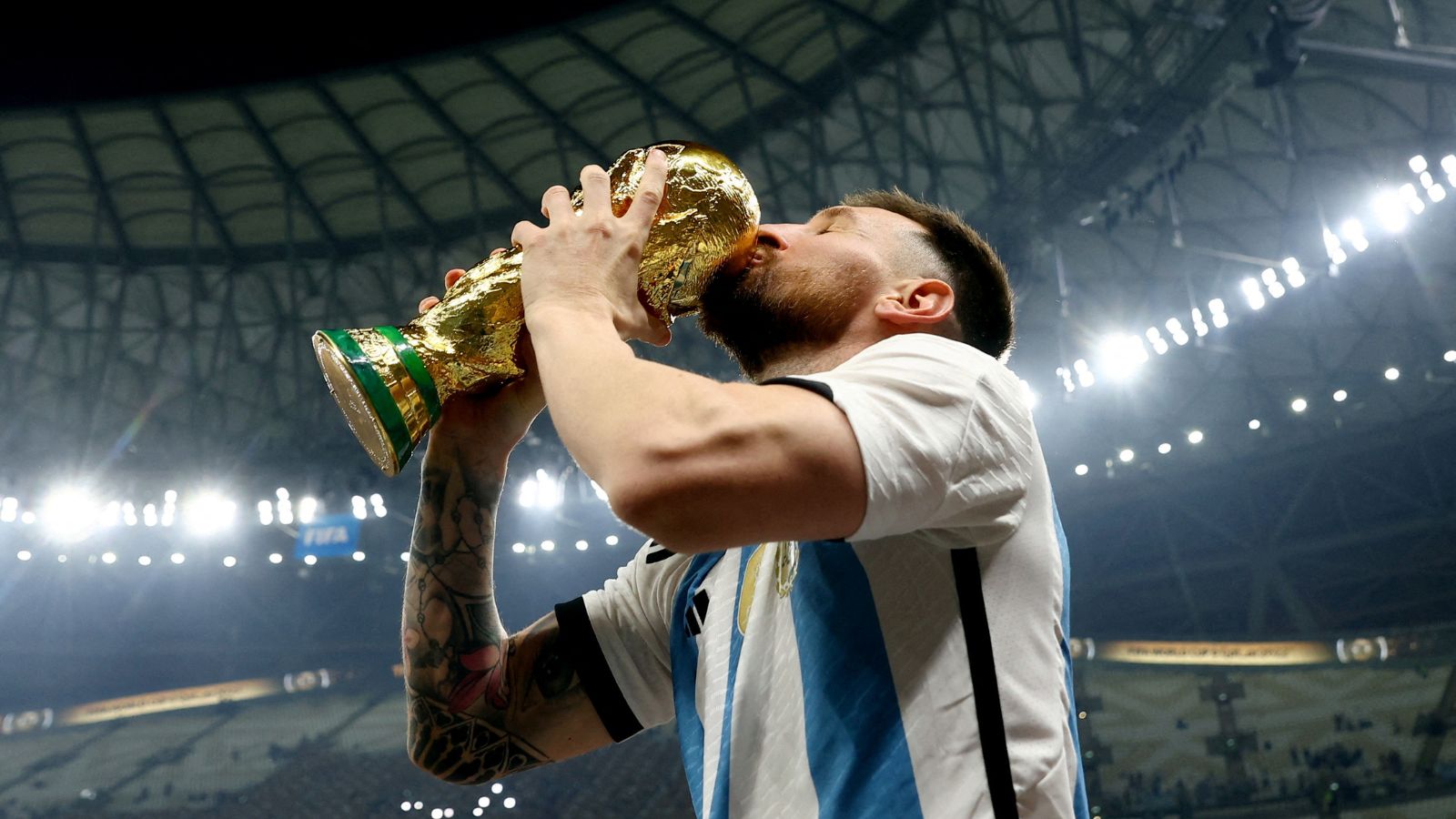 Argentina’s Lionel Messi kisses the trophy as he celebrates winning the World Cup in 2022. (REUTERS/Hannah Mckay)
Not totally unexpected
A day as this was inevitable. There were signs too. His legs were tired after the heartbreaking World Cup retention bid and his heart crushed by his father Jorge’s death last month. Shortly after, he wrote in a statement: “All I ever did was play football, and now I have a fair few doubts as to whether I’ll carry on doing it for much longer.”
He revealed the extent of physical pain he suffered in the World Cup. “My legs couldn’t go on any more,” he wrote. “This time I tried to push myself beyond my physical limits, but I couldn’t.”
The self-phasing-out had begun some years ago. He dropped from the elite realms of European football three years ago, resorting to the less exhausting grind of Major League Soccer, and now he has folded that he says he wore most passionately, more than perhaps his dearest red and purple of Barcelona.
Story continues below this ad
He wrote at the start of the statement: “I swear to you that I always gave it my all – not just in these last few years when we won everything, but before that too.”
The reader could feel the imaginary emphasis on the last fragment of the line. “Before that too.” A time when he won nothing with the national team; when his heart for his country was doubted; when he felt disillusioned and retired; a time when he, as former manager Jorge Sampaoli once said, “played with a revolver on his head”; when his was the heaviest burden in football.
View this post on Instagram
A post shared by Leo Messi (@leomessi)
Indian summer
The time after nearly did not arrive, but for the coaxing of incumbent manager Lionel Scaloni and his assistant Pablo Aimar. But the time did arrive. The last chapter, raging against the dying light, was his most glorious for the country. In eight years, he tasted success he thought he never would. He won a brace of COPA titles, realised the dream of winning the World Cup, could have pulled off another with a more competent cast of colleagues, scored more goals in the World Cup’s last two editions than in his first four episodes, and won a place next to Maradona in the heart of his countrymen.
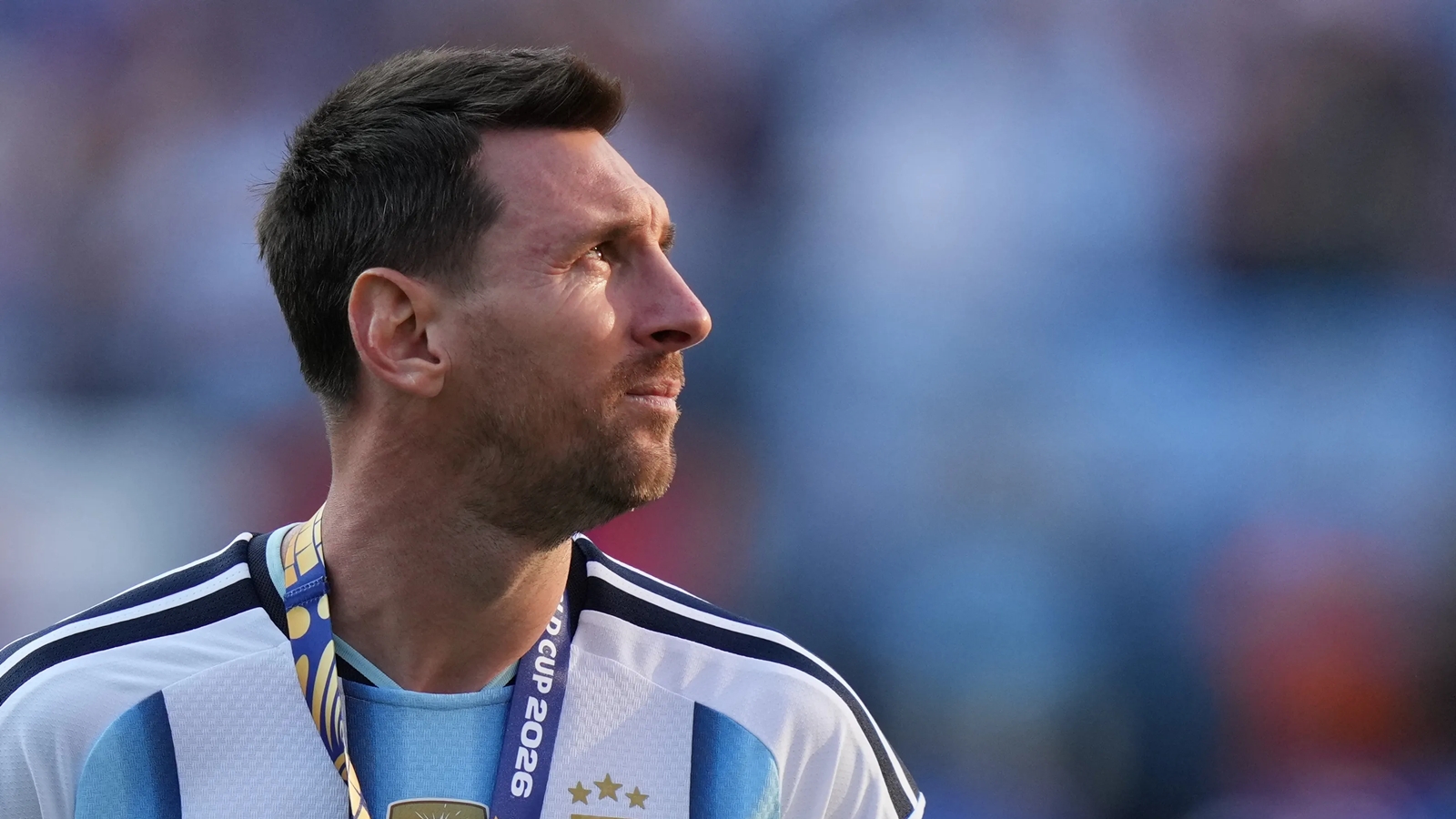 Lionel Messi has brought the curtains down on arguably the greatest international career of all time.
His relationship with his country was never straightforward, not so much for him as for the fans. Messi was always passionate about playing for Argentina — and only his country, brushing aside advances from the Spanish Football Federation. But the needle of suspicion hovered in the public. Whether he was Argentine enough; whether his Spanish accent was less Argentine Spanish; whether his loyalties lay more with the club or the country. Every appearance was a test of patriotism. Messi gave it his all, under different managers and with varied teammates. Yet, every failure was a vindication that he was less Argentine. And every victory a test passed.
His most gratifying World Cup could be the 2022 instalment, but his most enjoyable could be the 2026 version – until the final step – when he played with a blithe spirit, liberated from the burdens of the past, without the inescapable shadow of Maradona swallowing him, when he was just himself. A chapter has ended in Messi’s career, and an era in international football, leaving the world and the words to cry.

India suffer double fencing setback, men’s foil and women’s epee teams exit in round of 16
By Sohail Khan · 25 Sep
Asian Games 2026: India pass Japan test with flying colours
By Sohail Khan · 25 Sep
Manush-Diya: From a chance pair to Asian Games medallists
By Sohail Khan · 25 Sep