Is ‘proteinmaxxing’ for everyone? Cardiologist Dr Alok Chopra explains who should increase intake based on health goals
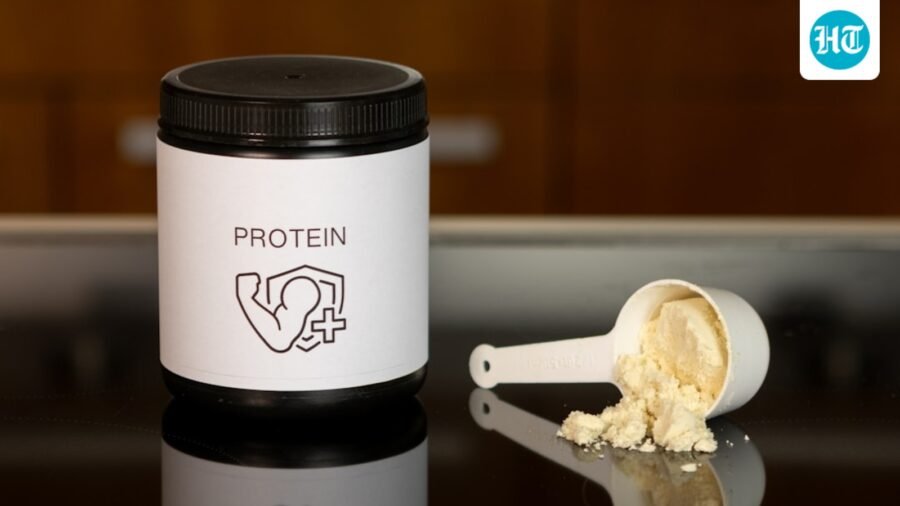
Is ‘proteinmaxxing’ for everyone? Cardiologist Dr Alok Chopra explains who should increase intake based on health goalsPublished on: Aug 22, 2026, 11:36:39 IST
Prefer HTon Google
Share via
Copy link
‘Proteinmaxxing’ has become a well-known term in the world of fitness – and chasing higher protein intake has become a trend. Dr Chopra explains who needs it.
In case you missed it – ‘proteinmaxxing’ has become a familiar fitness trend, with gym-goers and health enthusiasts increasingly loading up on protein in the pursuit of muscle gain and better fitness. While getting enough protein is important – particularly in a country like India, where many people may not meet their daily requirements – more is not necessarily better. So, does everyone really need to jump on the ‘proteinmaxxing’ bandwagon?
Dr Alok Chopra, founder-director and consultant cardiologist at Aashlok Hospital with more than 40 years of experience, is breaking down whether ‘proteinmaxxing’ is a trend everyone should be following and explains how the potential impact of excessive intake can vary across different individuals. In an Instagram video shared on August 21, the cardiologist explains, “More protein isn’t always better. Your needs depend on your age, activity, health and goals. The key is getting the right amount for you, not simply more.”
View this post on Instagram
A post shared by Alok Chopra (@dralokchopra)
Healthy adults
These days, many health-conscious adults are focused on maximising their protein intake. However, according to Dr Chopra, while consuming adequate protein is essential, more is not necessarily better. The goal should be to meet your protein requirements based on your body weight and level of physical activity.
He explains, “No, if you are an average healthy adult. You need adequate protein, not excessive protein. A commonly used baseline recommendation is around 0.8 g/kg/day for healthy adults. Your individual requirement may be higher depending on your lifestyle and goals.”
Physically active adults
These days, many active adults down a glass of whey protein before hitting the gym, hoping to maximise muscle gains. However, Dr Chopra highlights that while protein requirements do increase with physical activity, consuming more than the body needs does not necessarily translate into greater benefits. Once your protein needs are met, the benefits tend to plateau.
The cardiologist elaborates, “Maybe, if you exercise or strength train. Yes, your protein needs can increase. But there is a ceiling to the benefit. More and more protein does not automatically mean more muscle. Resistance training is still the stimulus.”
Older adults over 65
As you age, your muscle mass naturally begins to decline, making adequate protein intake alongside regular strength training increasingly important. Preserving muscle mass over the years can help support long-term strength, mobility, and independence.
Dr Chopra highlights, “Yes, if you are over 65. This is one group where I pay particular attention to protein. As we age, maintaining muscle becomes increasingly important. Many expert guidelines suggest around one to 1.2 g/kg/day for healthy older adults, alongside resistance exercise.”
Children or teenagers
The cardiologist points out that children and teenagers need adequate protein to support their growth and development, but that does not mean they need to follow fitness trends such as “proteinmaxxing”. For most young people, a balanced, varied diet is sufficient to meet their protein requirements.
Dr Chopra explains, “No, if you are a child or a teenager. They need protein for growth – but they don’t need to participate in an adult fitness trend. A balanced diet providing appropriate protein, carbohydrates, healthy fats, fibre and micronutrients is far more important than chasing ‘high-protein’ foods.”
Pregnant or breastfeeding adults
Pregnant and breastfeeding women have higher protein requirements to support their health, maintain essential bodily functions and aid recovery. However, according to Dr Chopra, meeting these increased needs does not mean focusing solely on protein
He emphasises, “Yes, if you are pregnant or breastfeeding. Protein requirements increase, but nutrition during this period needs to be balanced and individualised, not ‘maxxed’.”
Individuals with kidney disease
For people with kidney disease, processing protein can be more challenging, and following trends such as “proteinmaxxing” may place additional strain on the kidneys. In such cases, it is particularly important to discuss your individual protein requirements with a doctor rather than increasing your intake without medical guidance.
Dr Chopra explains, “No, if you have kidney disease. This is where blindly increasing protein can be particularly inappropriate. Protein recommendations vary significantly depending on the type and stage of kidney disease and whether someone is on dialysis. Speak to your doctor or dietician before substantially increasing your intake.”
Note to readers: This article is for informational purposes only and not a substitute for professional medical advice. It is based on user-generated content from social media. .com has not independently verified the claims and does not endorse them.
Dr Alok Chopra is a renowned Delhi-based cardiologist with 40 years of experience. He completed his MBBS and postgraduate studies at Maulana Azad Medical College, New Delhi. He is also a member of the Royal College of Physicians, London. After completing his residency at GB Pant Hospital, New Delhi, he served as a lecturer in the Department of Cardiology at the Royal Postgraduate Medical School, Hammersmith Hospital, London. Dr Chopra specialises in diseases of the heart and circulatory system.
Catch every big hit, every wicket with Crick-it, a one stop destination for Live Scores, Match Stats, Quizzes, Polls & much more. Explore now!.
Catch your daily dose of Fashion, Taylor Swift, Health, Festivals, Travel, Relationship, Recipe and all the other Latest Lifestyle News on Website and APPs.
See Less


Leave a Reply