Huawei puts a wider screen on a non-foldable ahead of Apple’s iPhone Ultra debut
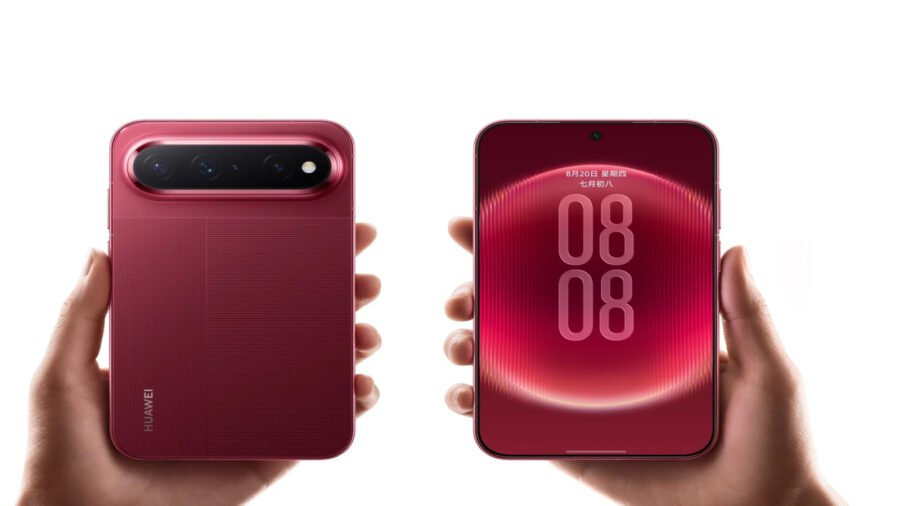
Huawei is bringing a wider screen to its bar-shaped phone, introducing a wider aspect ratio to a non-foldable for the first time. The launch mirrors how smartphone brands are jumping on the wider-phone trend, as Apple is expected to launch its first foldable iPhone next month, which may feature a shorter and wider design.
The Pura X View, Huawei’s wide-fold bar-type phone, has a traditional design like any other smartphone and is non-foldable. However, what makes it different is the shape of the phone, which has a 6.39-inch screen with a 16:9.5 aspect ratio. The Pura X View’s display appears “smaller” than a more conventional 6.9-inch 19.5:9 display, given the different aspect ratio.
However, Huawei says the wider display offers more screen area. No wonder the phone looks visually different from, say, the iPhone 17 Pro Max and the Samsung Galaxy S26 Ultra. The Pura X View’s extremely narrow 1.05mm bezels on all four sides also give it the appearance of a wider phone.
Story continues below this ad
The OLED panel on the Pura X View has a resolution of 2,232×1,320 pixels and offers 6,500 nits of peak brightness. The phone itself is just 6.68mm thin and weighs 201 grams, despite packing a large 7,000mAh battery. The rear features a horizontal camera island that houses the camera system. The device is powered by the Kirin 9030S chipset, comes with 12GB of RAM, and runs on HarmonyOS 7, Huawei’s self-developed mobile operating system.
It’s a high-end smartphone, and the specs certainly prove it.
 Smartphone companies are ready to capitalise on wider phone design trend.
Huawei has yet to reveal the retail price or availability of the Pura X View. The phone is currently available for pre-booking in China.
Huawei, which leads China’s smartphone market, is known for experimenting with phone designs and camera innovations. Although US trade sanctions against Huawei have limited its mobile phone business to China, the brand is still going strong in its home market.
Story continues below this ad
Earlier this year, Huawei became the first smartphone brand to launch the extra-wide Pura X foldable phone. When folded, the phone provides a traditional smartphone experience for messaging and scrolling through social media. But when unfolded, the phone acts more like a tablet, making it ideal for gaming and watching movies.
Samsung, the world’s biggest phone maker, soon followed Huawei’s footsteps and released the Galaxy Z Fold 8. The phone’s shorter shape, which has a 5.5-inch AMOLED display when folded, makes the device easier to hold and manage than even traditional handsets. Unfolding the device reveals a 7.6-inch screen with a 4:3 aspect ratio, which is ideal for reading the articles and e-books in portrait orientation and watching movies and videos in landscape orientation.
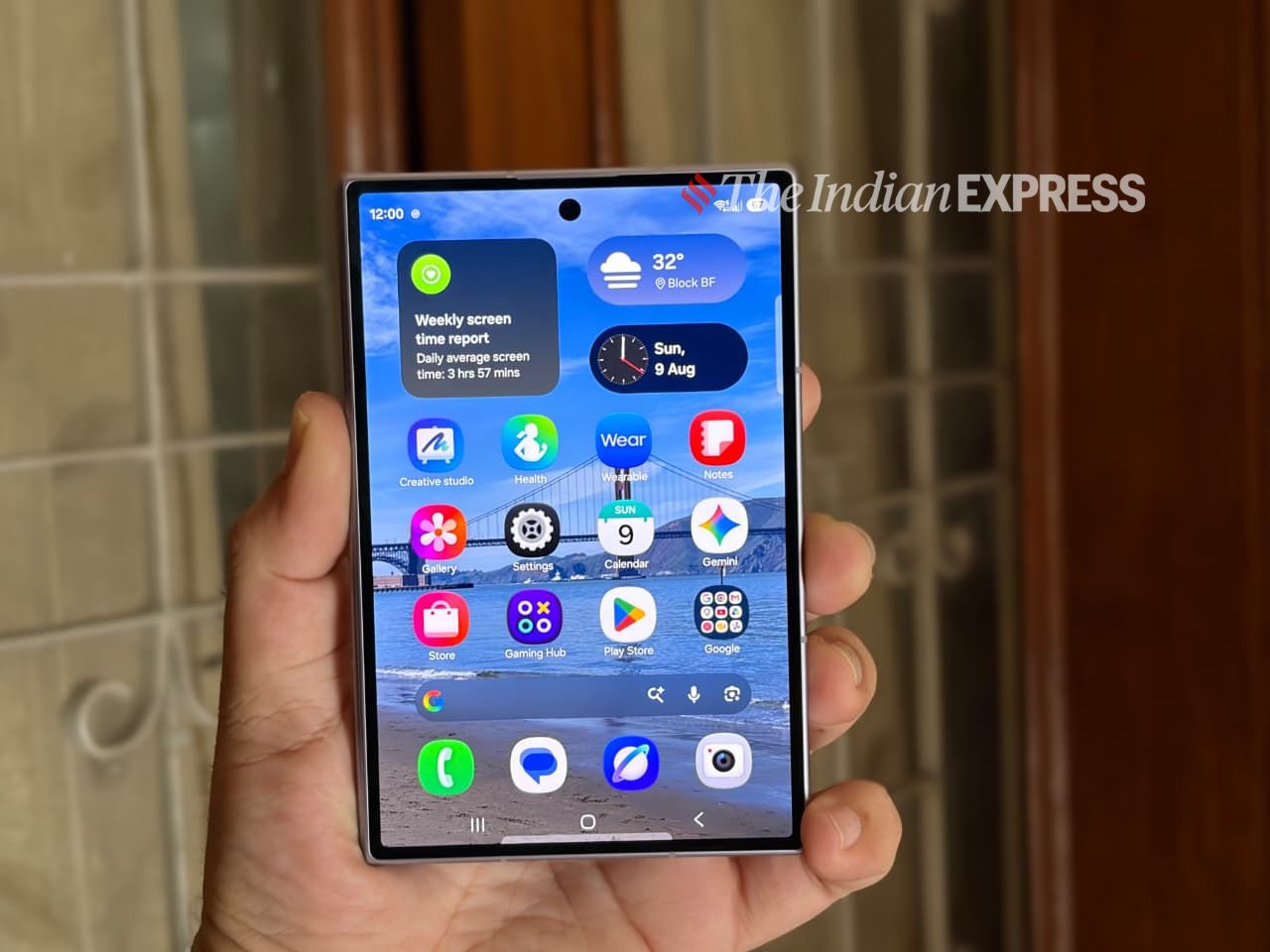 Samsung Galaxy Z Fold 8 has a passport-like shape.
The propositions of the Pura X and Galaxy Z Fold 8 draw many parallels with Apple’s rumoured iPhone Ultra, which is expected to debut in September alongside the iPhone 18 lineup. Industry insiders and experts believe Apple is gearing up to launch its first foldable smartphone, which may feature a passport-like design. The iPhone Ultra is said to feature a 5.5-inch outer screen that unfolds into a 7.8-inch internal display and could be priced between $2,000 and $2,500.
Bloomberg’s Mark Gurman, who extensively reports on Apple, revealed in his latest newsletter that people who have used the device liked how it fits in their pockets, as well as the feel and durability of its hinge mechanism. Many also praised the new iPad-like app layouts that take advantage of the larger internal display when the phone is unfolded. Interestingly, the phone will lack two major features: it won’t have a telephoto camera, and it will use old-school Touch ID instead of Face ID, the current biometric security system used to unlock iPhones.
Story continues below this ad
Smartphone brands, despite falling sales and the global memory crisis, are betting on wider foldables to create curiosity among consumers and generate interest in ultra-premium phones. Foldables currently account for 1.6 percent of the global smartphone market. China remains the largest market for foldable phones.

What is a kill switch, and why is it hard to build one for AI systems?
By Sohail Khan · 20 Sep
A smartwatch should fit your routine, not interrupt it. These five models go the extra mile
By Sohail Khan · 20 Sep
Nike Alphafly 4: 5 things (including the science) behind new marathon shoes
By Sohail Khan · 20 Sep