Fungal vs bacterial acne: Dermatologist explains how to identify your monsoon breakout
Fungal vs bacterial acne: Dermatologist explains how to identify your monsoon breakoutPublished on: Aug 26, 2026, 14:14:55 IST
Prefer HTon Google
Share via
Copy link
Fungal acne may look like regular acne, but its is not. Know the common signs that set them apart for better treatment.
During the monsoon, many experience breakouts and other skin-related concerns. However, not every cluster of bumps is regular acne. Different conditions may look similar but require separate treatments and ingredients, ruling out a one-size-fits-all approach. This is why people sensitive to monsoon breakouts need to understand what may be causing them before going for the usual acne treatments.
ALSO READ: Should you take hot or cold showers in monsoon? Doctor settles the dilemma, reveals pros and cons
Dr Ridhima Arora, dermatologist, Dermatology and VD at Malik Radix Healthcare, told Lifestyle that what appears to be regular bacterial acne may sometimes be ‘fungal acne,’ medically known as malassezia folliculitis. Here is how to tell the two apart and understand why your current acne treatment may not be working.
The dermatologist shared what she often sees in the clinic during the rains: “Every monsoon brings the same pattern to the clinic. Patients arrive tired and frustrated, having usually already worked through the standard list: face washes, benzoyl peroxide, salicylic acid, and occasionally a course of antibiotics, with no improvement and, in some cases, the skin has only worsened. A brief examination of the breakout is often enough to reveal what is actually happening. This is not acne. It is a yeast infection that closely resembles acne, and that distinction changes the entire approach to treatment.”
What is fungal acne?
Now, before we understand fungal acne, the dermatologist clinically explained that it is called malassezia folliculitis, and that this Malassezia is actually normal and lives on the skin all the time. It does not pose any harm.
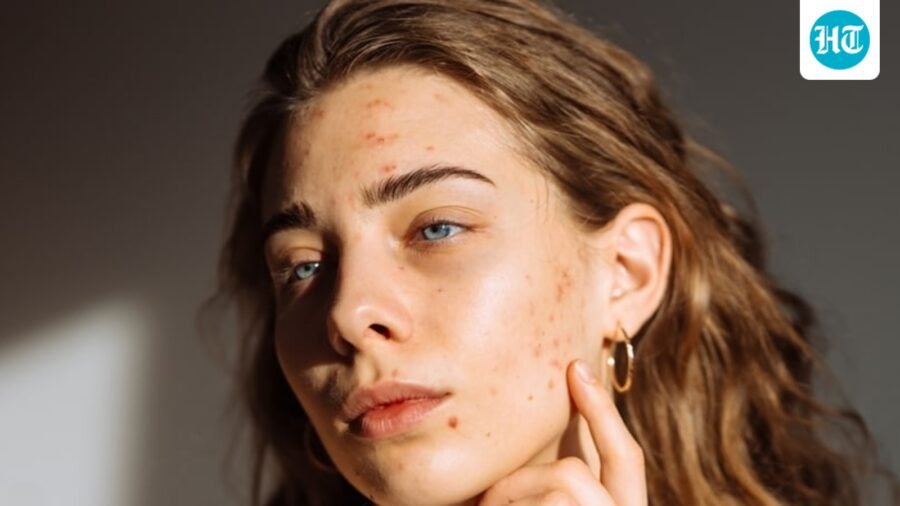
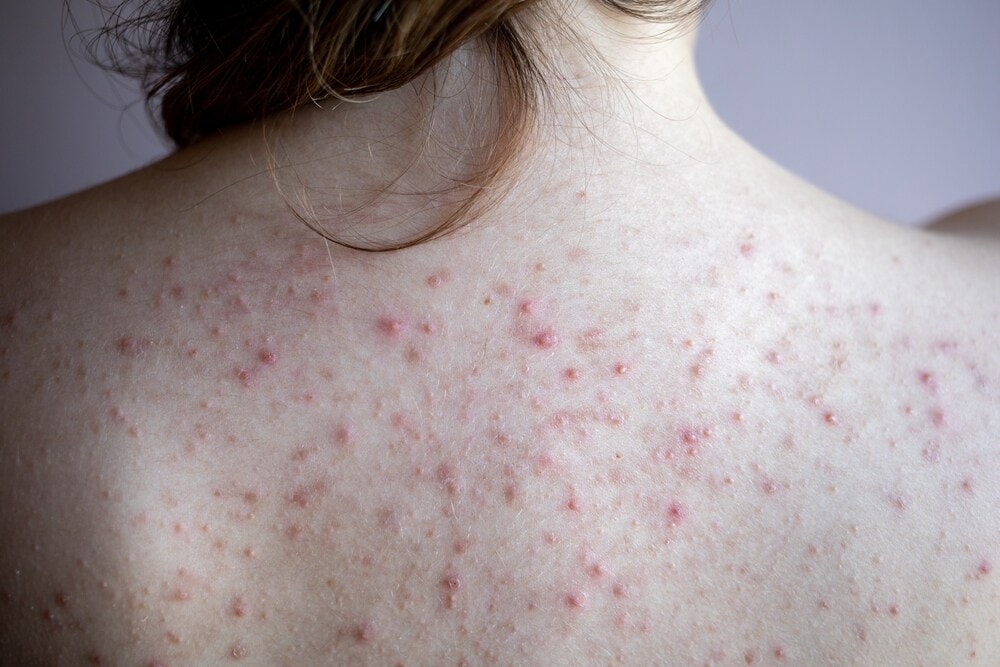
But the same normal yeast can pose problems under a few conditions. Dr Arora outlined: heat, humidity, sweat. All these are present during the monsoon, which is why such breakouts are common. How does this type of acne look, and why are they mistaken for regular acne? The expert described, "They look like red bumps, some with tiny heads of pus that look close enough to acne that it often gets treated as acne for months before anyone questions the diagnosis.”
How to differentiate between the two?
Now, it is critical to be able to tell them apart. Easily at home, you can check and spot the main differences.
The doctor described how they feel and look, “Fungal acne itches, and it tends to itch more after sweating. Regular acne is more often sore than itchy. Ordinary acne is also messier, with blackheads, whiteheads, larger inflamed spots, and sometimes a cyst, all showing up at different stages at once. Next is how the bumps look: fungal acne comes in bumps that are roughly the same size and shape, arriving together almost overnight.”
Moving on, the location also helps to determine the nature of the acne. Dr Arora stated fungal acne tends to show up mostly along the hairline, on the chest, shoulders, and upper back. Regular acne stays closer to the cheeks, jaw, and chin.
Timings also differ between the two. She said, "Breakouts that appear right after the rains start, after beginning a workout routine, or after time spent in sweaty clothes usually point to the fungal kind.
Can both exist at the same time? She answered in the affirmative and believed right diagnosis early makes all the difference for the skin's healing journey.
Why is your current treatment failing?
There are two reasons why your current treatment is failing. First, she sees patients reach out for antibiotics, but it fails to work. Why? She opined, “Antibiotics, whether creams or tablets, don't discriminate between good and bad bacteria. They wipe out the bacteria that normally keep the yeast population under control, and once that's gone, the yeast has free rein. Patients often report that their skin worsened specifically after starting antibiotics, and this is usually the reason why.”
The next problem she attributed was the skincare routines, as most end up applying a lot of moisturisers and creams, which are marketed as ‘acne-friendly,’ but they contain fatty acids and oily ingredients that this particular yeast feeds on. It is ironic, but this may actually backfire on you. Dr Arora reasoned, "Someone could be applying an ‘acne-safe’ cream twice a day, believing it's helping when, in fact, it's feeding the very thing causing the breakout.
What actually works?
What should be the change in treatment? She listed these changes:
- Treatment needs to be antifungal, not antibacterial. 2 percent ketoconazole shampoo may work, after medical guidance. It goes on affected skin rather than the scalp, stays on for about five minutes while showering, then gets rinsed off.
- Washes with zinc pyrithione or selenium sulfide work similarly.
- If topical treatments don't work, then oral antifungals may be needed. However, only a dermatologist can prescribe after a proper evaluation.
She then advised avoiding these habits too:
- Changing out of sweaty clothes as soon as possible after a workout or commute
- Avoiding damp clothing
- Choosing breathable cotton over tight synthetic fabric during this weather
- Avoid heavy, oily creams for a while, until things settle down
The last parting word of advice from the expert is to exercise precaution if you are picking up a steroid combination cream from the chemist, just because it worked for a friend. These offer fast relief at first, which is exactly the problem, since flare-ups often return worse, along with thinning skin and long-lasting pigmentation.
Note to readers: This article is for informational purposes only and not a substitute for professional medical advice. Always seek the advice of your doctor with any questions about a medical condition.
Catch every big hit, every wicket with Crick-it, a one stop destination for Live Scores, Match Stats, Quizzes, Polls & much more. Explore now!.
Catch your daily dose of Fashion, Taylor Swift, Health, Festivals, Travel, Relationship, Recipe and all the other Latest Lifestyle News on Website and APPs.
See Less



Worried about respiratory health? Pulmonologist shares 5 simple habits to keep lungs healthy
By Sohail Khan · 26 Sep