For India polymer notes, bidders certify no animal tallow, firewalls against China, Pakistan
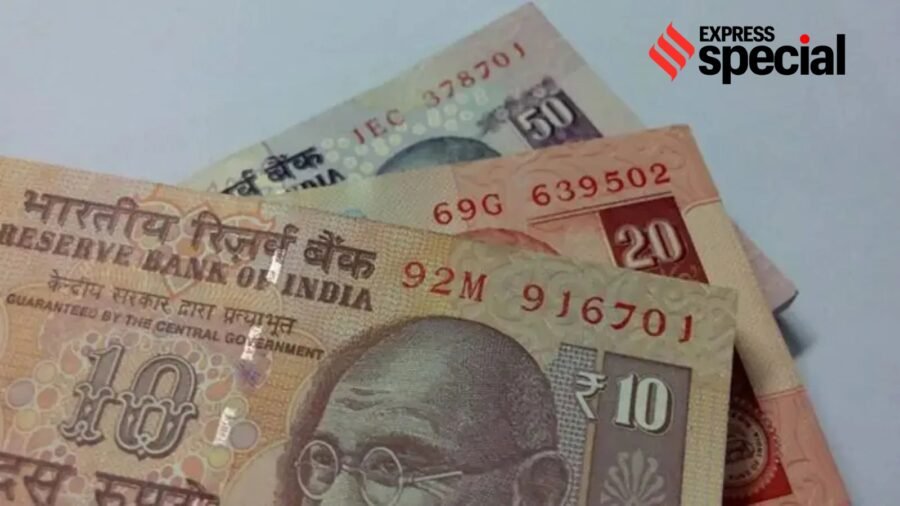
Moving a step closer to the introduction of low-denomination plastic banknotes in the country, Indian and foreign firms have bid for the supply of polymer substrate sheets with inbuilt security features.
Responding to the global Expression of Interest (EOI) issued by Reserve Bank of India subsidiary Bharatiya Reserve Bank Note Mudran (P) Ltd (BRBNMPL), which set an August 18 deadline, at least two foreign polymer currency manufacturers and an Indian substrate manufacturer in partnership with UK banknote manufacturer De La Rue have placed their bids, has learnt.
Given the sensitivity of future supplies of polymer banknotes, the companies have been made to fill an integrity pact; a confidentiality contract; a no-agent pact and an undertaking that they will firewall their operations in India from those they may have in China and Pakistan.
Story continues below this ad
The bidders have also had to certify that their polymer substrate will not contain any animal tallow content or its DNA for supplies to the BRBNMPL. Controversies over the presence of animal tallow in banknotes in countries like the UK is said to be one of the reasons for the RBI’s hesitation over the introduction of polymer currency in India.
In its EOI documents, the BRBNMPL has underlined an “immediate” requirement and indicated an approximate requirement for 68,000 reams of polymer substrate for printing Indian banknotes. Each ream should consist of 500 sheets of polymer film with samples to be provided with the bids.
The samples will be tested in various climatic zones and those found eligible will be allowed to apply for the final BRBNMPL tender. In a corrigendum published before the deadline, the BRBNMPL clarified that bidders were not required to provide proof of their financial standing at this “qualifying” stage.
It is learnt that in the running for the polymer substrate EOI is Cosmo First, the largest Indian exporter of BOPP (biaxially oriented polypropylene) and a major supplier to De la Rue. The world’s largest banknote supplier, the UK-headquartered De La Rue claims to have helped several countries make the transition to the polymer option which it says is cleaner, greener, more secure and durable.
Story continues below this ad
Those in the know say Cosmo First has listed the currency major as its “technical partner’’ which will provide security features in its polymer substrate as required by BRBNMPL.
The other foreign major which is learnt to have bid is Australia-based CCL Secure, another pioneer in polymer banknote supplies. CCL Secure currently supplies polymer solutions to 40 central banks. It flags features to prevent counterfeiting and claims that the banknotes last six times longer than cotton-based currency paper.
The CCL Secure website states it offers solutions to countries to use a combination of polymer based and conventional currency paper sourced from cotton pulp. This is what the RBI is said to be currently proposing for India, with polymer banknotes being introduced initially in Rs 10 and Rs 20 denominations.
Vietnam was among the countries importing polymer substrate from CCL Secure, but three years ago a private Hanoi-based company, Q&T Hi-tech Polymer Company Limited, began supplying bank notes domestically, maintaining there is a 78% lifecycle savings over cotton paper currency. The company is expanding its footprint out of Vietnam and, according to industry sources, has also bid for the BRBNMPL EOI.

Amit Shah calls for 10-year PRAHAAR on terror
By Sohail Khan · 29 Sep
India sends senior MEA official to Pakistan for SCO coordinators meet
By Sohail Khan · 29 Sep