Everyday explained: Why do we yawn when we see someone yawning?

Everyday explained: Why do we yawn when we see someone yawning?Updated on: Aug 21, 2026, 19:38:58 IST
Prefer HTon Google
Share via
Copy link
Yawning is contagious, and the phenomenon is not limited to just humans. Read to know why it happens.
It is common knowledge that yawning is contagious, but not many are aware of why it is so. A 2025 article in Psychology Today defined contagious yawning as “the tendency of individuals to yawn after seeing, hearing, or even thinking about someone else yawning.”
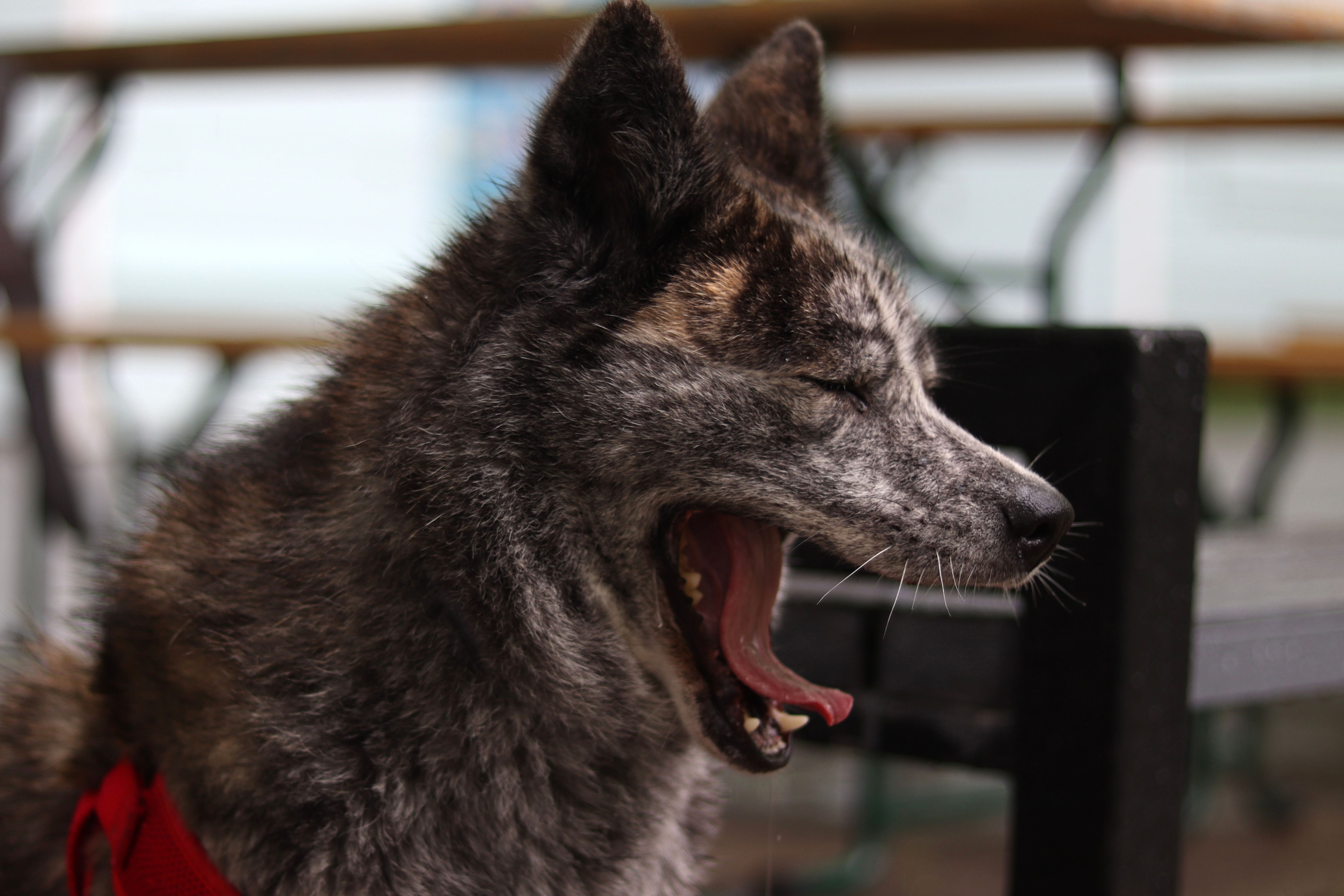
Studies have shown that about 40 to 60 percent of people exhibit contagious yawning when exposed to these triggers. The behaviour is not limited to humans alone, but has also been observed in other animals such as domesticated dogs, chimpanzees, bonobos, macaques, gelada baboons, and even parrots.
Yawning itself is an involuntary reflex action that scientists are still studying the cause of. When it comes to contagious yawning, the exact cause is being debated as well. However, there are two leading hypotheses on the issue. They are explained as follows.
Nonconscious mimicry hypothesis
The nonconscious mimicry hypothesis suggests that contagious yawning is a form of automatic imitation, a phenomenon known as the “chameleon effect.” According to this hypothesis, a person naturally mimics the action of another without even realising it. This essentially helps to strengthen social bonds.
The hypothesis is supported by a 2011 study, where researchers studied parrots and found the birds demonstrated yawning and stretching behaviours in synchrony. It supported the idea that such behaviours may promote social cohesion.
The mimicry likely helps to foster a sense of unity, as animals tend to feel more connected to others who display similar behaviours. Studies show that unconscious mimicry can increase feelings of liking and improve social rapport, which may be beneficial for maintaining harmonious relationships in social groups.
Empathic modelling hypothesis
The empathic modelling hypothesis proposes that contagious yawning is linked to empathy, or the ability to understand and share the feelings of others. According to this hypothesis, when an animal sees another yawn, it responds empathetically, as if experiencing the same tiredness or stress.
There is research that supports this idea as well. Studies have shown that domesticated dogs yawn more frequently when they observe their owners yawning than when they observe strangers. Similarly, chimpanzees and bonobos tend to yawn more frequently when observing familiar individuals, indicating that emotional closeness influences contagious yawning.
This is also supported by studies suggesting that contagious yawning in humans and primates emerges around the age of four, which coincides with the development of the ability to understand that others have different thoughts and feelings.
Catch every big hit, every wicket with Crick-it, a one stop destination for Live Scores, Match Stats, Quizzes, Polls & much more. Explore now!.
Catch your daily dose of Fashion, Taylor Swift, Health, Festivals, Travel, Relationship, Recipe and all the other Latest Lifestyle News on Website and APPs.
See Less




Leave a Reply