Dear filmmakers, stop turning Mohanlal, other superstars into a joke with forced cameos
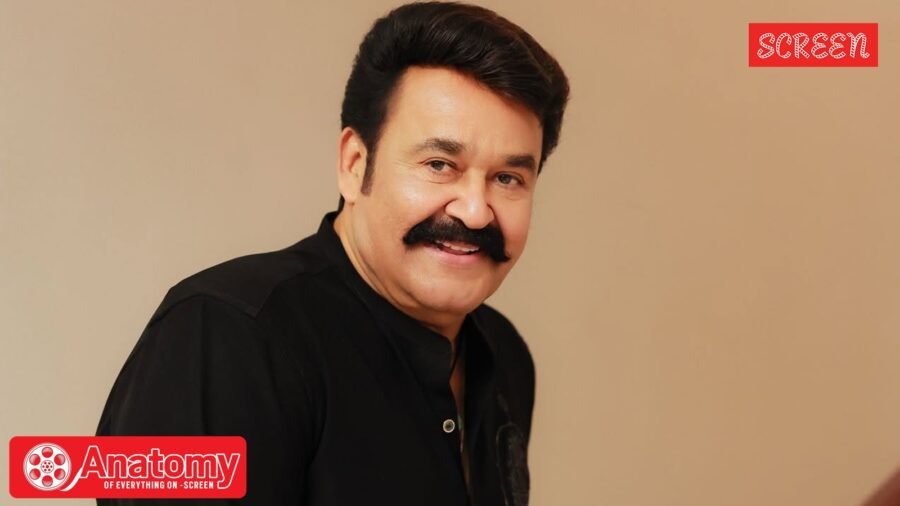
As Dennis (Suresh Gopi) turns back, as if he suddenly noticed something, the camera cuts to reveal the grille separating him and Abhirami (Manju Warrier) from the other side of the prison. Cinematographer Sanjeev Shankar uses rack focus here to reveal the face of Niranjan (Mohanlal), the love of Abhirami’s life.
The legacy of Niranjan: When Mohanlal delivered acting masterclass in 8 minutes
For the next eight minutes, director Sibi Malayil’s Summer in Bethlehem (1998) becomes a pure Mohanlal show, as he gives a masterclass in delivering an emotionally stirring monologue — a scene that perfectly captures his observation in a recent interview that “it is in the moments between the lines, during the pauses, that we get to act” — while using his body seamlessly to accentuate the emotions without allowing them to go over the top.
Cinema Anatomy | How Prithviraj and Classmates beat 4 superstars to become Onam winner, cultural phenomenon
Story continues below this ad
There are no dialogues hyping up the superstar or the character. No one asks him to fold his mundu (dhoti) or twirl his moustache in his iconic style. Yet, his appearance in Summer in Bethlehem remains one of the most celebrated cameos in Malayalam cinema. One major reason it is still so cherished is that Niranjan isn’t forced into the movie for a superstar cameo; the character is crucial to the script.
Much before we see him on screen, Abhirami says he is the person she loves the most in the world, and that she will die by suicide the day he is hanged for bombing an industrialist and five others. Niranjan is an enigma to us and even to Abhirami. Yet the image she draws of him using words, highlighting her love for him, is so evocative that the movie creates in us a yearning to see him at least once. Hence, when he finally arrives, the scene hits us squarely in the chest. Above all, it isn’t “Mohanlal – the superstar” who appears, but “Mohanlal – the unparalleled actor.”
Although he has made several special appearances throughout his career, they were relatively few and far between in the earlier years. Many of them – most notably in Manu Uncle (1988), Peruvannapurathe Visheshangal (1989) and Jailer (2023) – were memorable, impactful and relevant to their respective stories.
From story-driven to stardom-driven: The evolution of Mohanlal cameos
However, his more recent appearances haven’t been like that. Not only are they unimpressive and evidently forced into the films — with makers trying to capitalise on his superstardom alone — but they also make it feel like Mohanlal himself is being turned into a joke.
Story continues below this ad
Only certain aspects of his stardom and antics are acknowledged and portrayed in these films, with no regard for anything else. He is made to look stylish, walk in slow motion, occasionally fold his mundu, twirl his moustache, or deliver a few punch lines. But the phenomenal actor in him is often overlooked.
And one thing such movies have in common is that they are unimpressive as a whole, trying to get a free ride on Mohanlal’s shoulders, with the most recent notable examples being Dileep’s atrocious Bha Bha Ba (2025), Vismaya Mohanlal’s mediocre Thudakkam (2026), and Prithviraj Sukumaran’s insipid Khalifa (2026).
Yet this isn’t just a “Mohanlal issue.” It has become a habit for our big-ticket films — marketed as “pan-Indian” spectacles — to throw in at least one superstar cameo, even if their roles are inconsequential, simply to capitalise on their popularity and people’s love for them. But what makers don’t realise — or may not care about — is that they simply come across as desperate attempts to save their train wrecks, which also never really happen in the end.
Remember when Mammootty made a blink-and-you-miss-it appearance in Mazha Peyyunnu Maddalam Kottunnu (1986), Shah Rukh Khan and Tabu delivered a brief yet phenomenal performances in Saathiya (2002), or Salman Khan stole the show in Kuch Kuch Hota Hai (1998) despite having only limited screen time? Long gone are the days when actors made such cameos in good movies just for fun or because the character on paper was so compelling that they couldn’t say no simply due to a lack of screen time.
Story continues below this ad
It’s all about the money now. Of course, business is important. But if the outcome appears as “won, but at what cost,” is it really a victory?
Bha Bha Ba, Thudakkam, Khalifa: Dissecting recent Mohanlal guest appearances
Consider Mohanlal’s extremely forced cameo in Thudakkam. Although it’s understandable that he wanted to share the screen with his daughter, Vismaya Mohanlal, in her debut film, his character is so pointless that his scenes feel cringeworthy, especially due to the dismal, didactic dialogues. The overall artificiality makes it easy to sense that his cameo was crammed into the film without much thought. However, since his home production company, Aashirvad Cinemas, bankrolled Thudakkam, one could argue it was entirely up to Mohanlal to make the decision to appear in the movie or not.
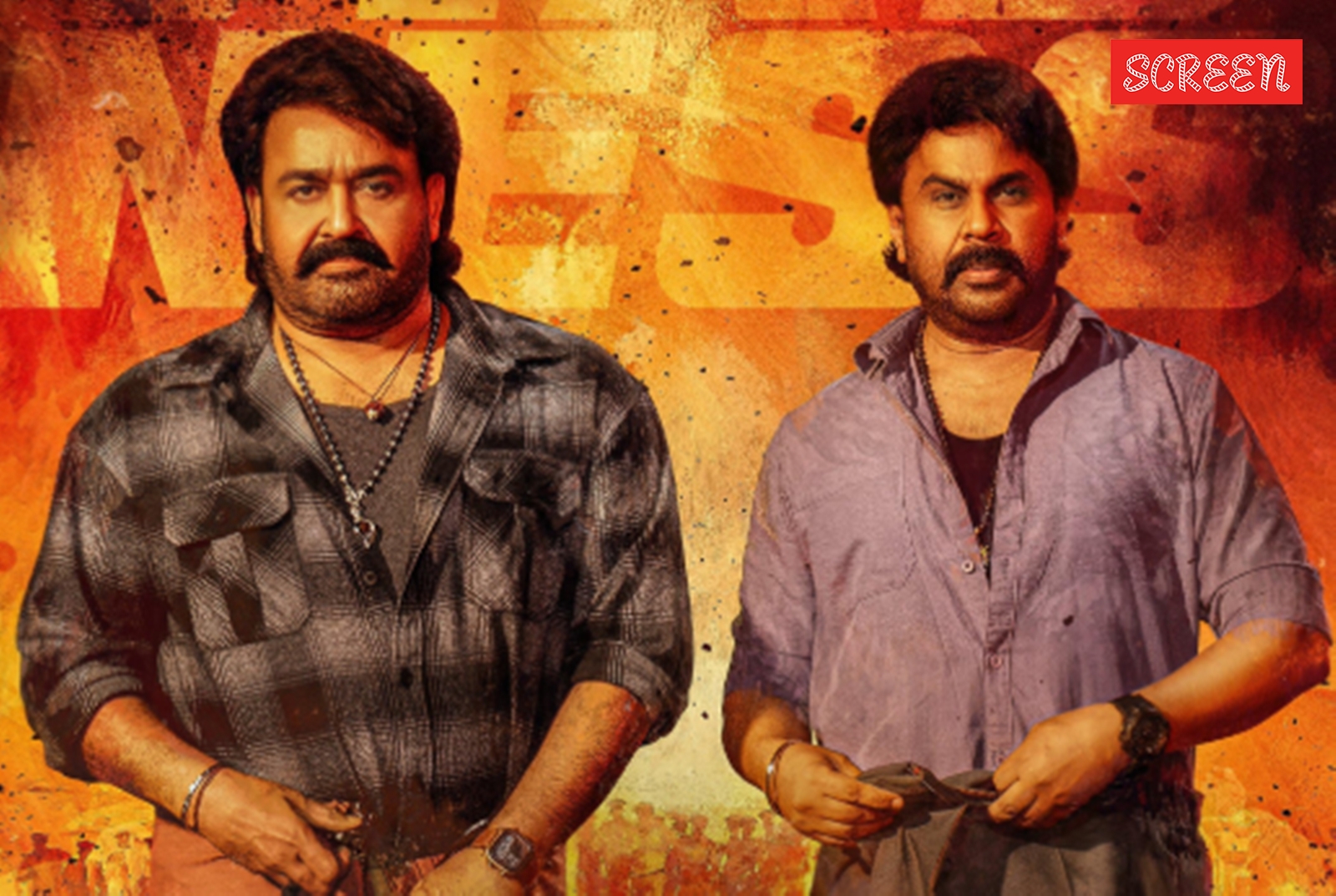 Mohanlal and Dileep in Bha Bha Ba. (Credit: IMDb)
In that case, let’s look at Bha Bha Ba. Although the makers attempted to justify the movie’s shoddiness by claiming it’s a spoof, it still tanked and received unfavourable reviews. A quick look at Mohanlal’s character, “Ghilli” Bala, makes it clear that this inclusion was solely because Dileep is no longer the market force he once was and cannot guarantee the success of a big-budget film. Worse still, while the movie was bad overall, Bha Bha Ba essentially turned Mohanlal into a joke, with most of his scenes featuring other characters flattering him in sycophantic acts, evidently to satisfy his fan base.
An equally disastrous cameo of his was in Vishnu Manchu’s odious Kannappa (2025). However, luckily for him, Mohanlal wasn’t alone that time; he was joined by Prabhas, Akshay Kumar, and Kajal Aggarwal, and together, they collectively failed to save a catastrophe.
Story continues below this ad
Although Khalifa isn’t that loathsome, Mohanlal’s special appearance in it is just as pointless as the female characters in the Prithviraj Sukumaran-starrer, as their presence or absence in no way affects the story’s progress. While Mohanlal brings his trademark aura to the screen, the movie is already beyond repair by then. Despite Khalifa hyping up his character, Mambarakkal Ahmed Ali, from the start, by the time he appears in the epilogue, audiences are exhausted from having sat through the entire movie. Even though his appearance manages to energise some, it raises the doubt: if a cameo at the end is all that remains in our hearts, then what’s the point of the whole film?
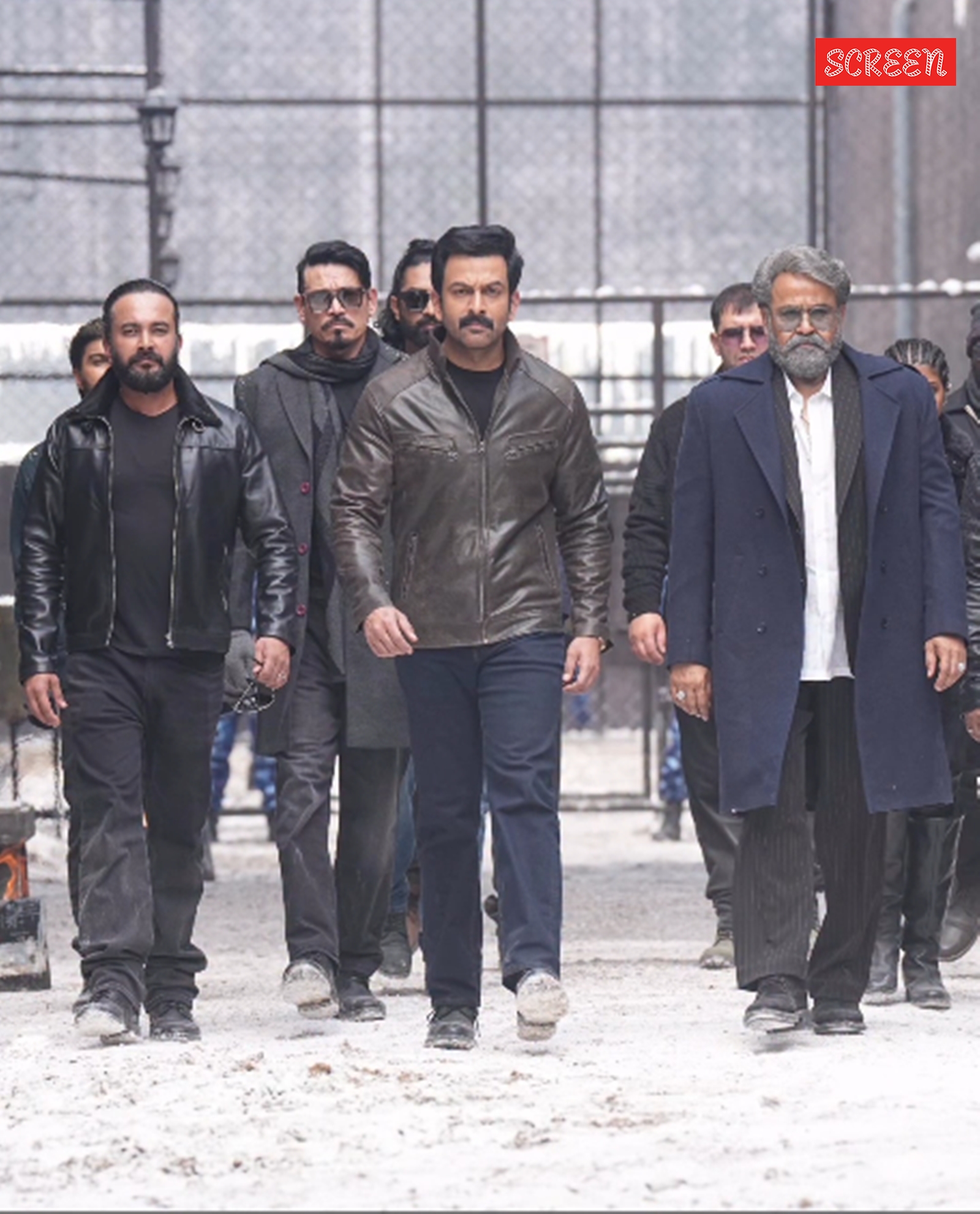 Mohanlal and Prithviraj Sukumaran in Khalifa. (Credit: Instagram/@shine_t_varghese)
Aside from Mohanlal, Tovino Thomas also makes a brief appearance here as the villain in a potential sequel. Hilariously enough, the makers have also already announced Khalifa 2, despite not having enough substance to craft even one solid film, which makes it feel like yet another case of shameless sequel-baiting. Would it have hurt director Vysakh and his team to ignore all such shenanigans and try to make one decent movie so that they don’t hurt themselves or disrespect Mohanlal and his fans by decking him up for nothing?
The ‘pan-Indian’ cameo trap: Why conviction trumps star power
Take, for instance, Bethlehem Kudumba Unit, starring Nivin Pauly and Mamitha Baiju, which was released alongside Khalifa. The movie features no cameos. It never bites off more than it can chew. It isn’t made according to the “pan-Indian” template, nor does it include so-called commercial elements to boost the stardom of its leads.
In fact, the film contains several scenes and moments that would have appeared cringeworthy or unimpressive in any other film by any other helmer. However, director Girish AD and co-writer Kiran Josey wove everything beautifully into Bethlehem Kudumba Unit, offering an amazing experience.
Story continues below this ad
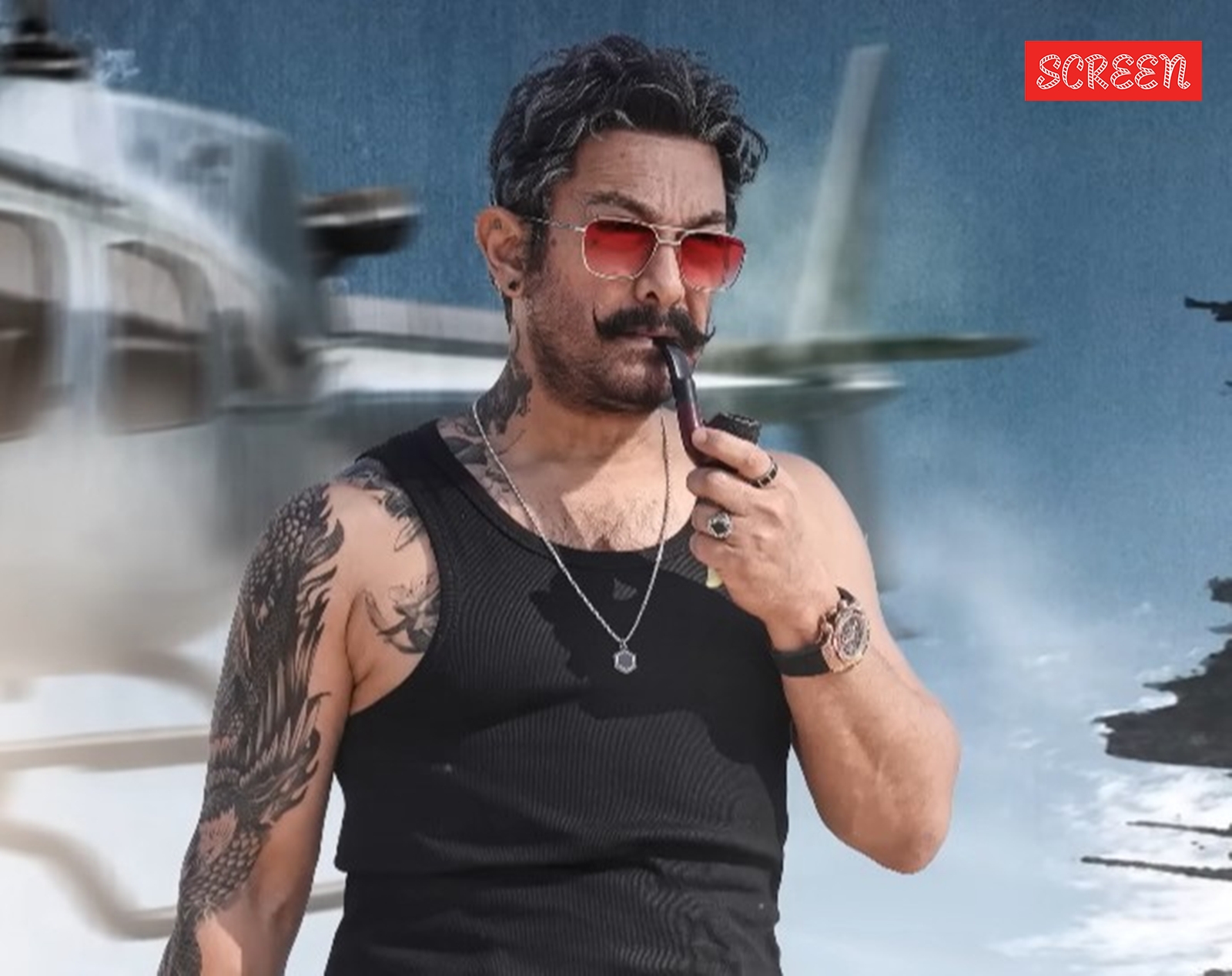 Aamir Khan in the Rajinikanth-starrer Coolie. (Credit: IMDb)
It must be mentioned here that despite cameos by Mohanlal and Tovino Thomas, and being headlined by Prithviraj, Khalifa is set to become a box-office bomb, managing to record an India nett collection of only Rs 97 lakh on its first Monday, according to industry tracker Sacnilk. Meanwhile, Bethlehem Kudumba Unit minted Rs 6.90 crore on the same day.
Most big-ticket movies that rely too heavily on superstar cameos to ensure their success evidently lack one thing that is abundant in films like Bethlehem Kudumba Unit: conviction. Beyond tall dreams and hefty budgets, many also lack the most basic, important thing: a watertight script.
While it may be noble of stars to allow their friends and colleagues to utilise their stardom to propel the latter’s films, the makers owe it to the stars not to make them look like fools or disrespect the audience’s love for them.
From Aamir Khan in Coolie (2025), Shah Rukh Khan in Tiger 3 (2023), and Salman Khan in GodFather (2022) and Singham Again (2024), to Lokesh Kanagaraj in Kattalan (2026) and SJ Suryah in Bha Bha Ba, Indian audiences have seen far too many disastrous cameos in recent years, where the makers totally ignored basic civility.
Story continues below this ad
ICYMI | From Fahadh Faasil, Dulquer Salmaan to Vismaya Mohanlal: How Malayalam cinema handles nepotism
It has reached a point where, as soon as reports emerge that a particular star is rumoured to play a cameo in a particular movie, people assume the film itself is a scam. What’s even more ridiculous is seeing these superstars letting unfaithful makers exploit fans’ love for them this way — be it for friendship, as an act of kindness, or for money.
Just as PRs have almost stopped using “pan-Indian” to describe their movies in press releases, let’s hope the outdated practice of including cameos just for the sake of it also ends at least once the currently under-production projects are completed.
Cinema cannot exist in a vacuum; it’s all about the discussions that follow. In the Cinema Anatomy column, we delve into the diverse layers and dimensions of films, aiming to uncover deeper meanings and foster continuous discourses.


Unabomber victims: How many people did Ted Kaczynski kill and injure?
By Sohail Khan · 26 Sep