Cancer diagnosis at 30? Oncologist Dr Ankur Varshney explains the rise in cancer among young people in India
Cancer diagnosis at 30? Oncologist Dr Ankur Varshney explains the rise in cancer among young people in IndiaPublished on: Aug 18, 2026, 18:54:28 IST
Prefer HTon Google
Share via
Copy link
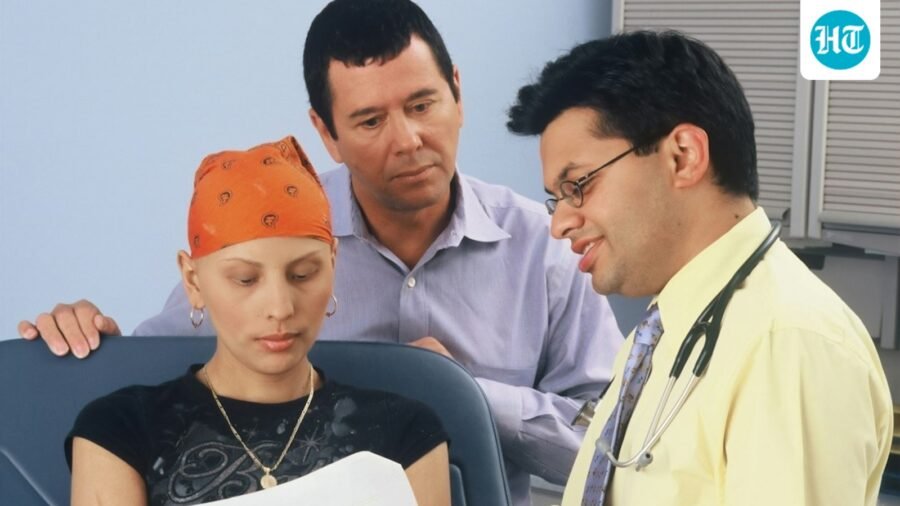
In recent times, more and more young Indians in their 30s are being diagnosed with cancer. Dr Varshney explains what is driving this growing trend.
Cancer is often associated with older age, but a diagnosis in the 30s or early 40s is no longer something doctors can simply dismiss as unusual. India’s cancer data does show a significant burden among younger adults. However, experts caution against interpreting every cancer diagnosis in a younger adult as proof of a broad “cancer epidemic” among the young. Better detection, greater awareness and access to imaging are also bringing more cases to medical attention.
Lifestyle spoke to Dr Ankur Nandan Varshney – a senior medical oncologist at Medanta Hospital, Noida – who explains, “We should be careful about calling every cancer in a younger person a new trend. What we are seeing is a combination of genuine changes in risk factors, greater awareness and earlier or more frequent detection. However, when a person in their 30s develops cancer, we have to look beyond age and ask why that individual may be at risk.”
Factors driving the shift
According to Dr Varshney, while there is no single explanation, excess weight and metabolic problems play an important role because obesity is associated with several cancers. Moreover, sedentary lifestyles, poor dietary patterns and inadequate physical activity may contribute indirectly through obesity, insulin resistance and chronic inflammation.
The oncologist highlights, “Tobacco remains a major concern, particularly in India, where smoking and smokeless tobacco continue to drive cancers of the mouth, tongue, throat and lungs. Interestingly, among Indians aged 15 to 39, mouth and tongue cancers already feature among the leading cancers in men.”
Alcohol consumption, environmental and occupational exposures, family history and inherited genetic susceptibility can also influence individual risk. However, he cautions against blaming lifestyle alone. Many young patients with cancer have none of these obvious risk factors.
“Family history is particularly important when cancer appears unusually early or when several close relatives have had cancer,” emphasises Dr Varshney. “But having no family history does not mean a young person is protected. Most cancers are multifactorial, and sometimes we cannot identify one specific trigger.”

Cancers prevalent among young people
Online discussions often focus heavily on colorectal cancer and other “young-onset” cancers. While international research has raised concerns about increasing rates of some cancers in younger populations, the Indian picture is more complex.
Dr Varshney highlights, “India's cancer registry data indicates that breast, thyroid, mouth and tongue cancers feature prominently among younger adults. In the 15 to 39 age group, breast cancer made up 27.3 percent of cancers diagnosed in women, while mouth cancer represented 12 percent of cancers among men in 2022.”
“This is where social-media narratives can become misleading. A cancer that receives considerable online attention is not necessarily the cancer contributing the greatest burden among young Indians,” stresses the oncologist.
Does earlier detection change the picture?
Elaborating on whether early detection is contributing to the rise in cancer diagnoses among young people, Dr Varshney remarks, “Absolutely. Greater health awareness, wider availability of scans, biopsies and diagnostic tests, and people seeking medical advice sooner can all increase the number of cancers being detected. Better cancer registration can also make the problem appear more visible than it was previously.”
However, that does not mean every diagnosis is simply a result of “overdiagnosis”. Some cancers genuinely occur in younger adults and can be aggressive, making timely evaluation important.
“The objective should not be to make every young person fearful of cancer or encourage indiscriminate testing. Instead, persistent or unusual symptoms should not be ignored simply because someone is young. If there is a suspicious lump, unexplained bleeding, persistent change in bowel habits, unexplained weight loss, prolonged cough or a non-healing oral lesion, it deserves medical evaluation,” explains the oncologist.
How can people in their 30s prevent cancer?
According to Dr Varshney, the focus should be on reducing modifiable risks rather than living in fear. He recommends avoiding tobacco, keeping alcohol consumption low or avoiding it, maintaining a healthy weight, exercising regularly, eating a balanced diet and understanding your family history.
Screening, however, should be age and risk-appropriate, rather than based on viral cancer lists circulating online. A person with a strong family history or a known genetic risk may require an earlier or different surveillance strategy.
The oncologist concludes, “Cancer prevention should begin well before middle age. The 30s are a good time to take a closer look at your lifestyle, family history and any health changes that don’t seem normal. It is not about being anxious about cancer; it is about recognising warning signs early and seeking medical advice when something persists.”
Note to readers: This article is for informational purposes only and not a substitute for professional medical advice. Always seek the advice of your doctor with any questions about a medical condition.
Dr Ankur Nandan Varshney is a consultant medical oncologist with over 10 years of clinical experience at Medanta Hospital. He completed his MBBS and MD at the Institute of Medical Sciences, Varanasi, followed by a DM in Medical Oncology from AIIMS, New Delhi. His expertise includes cancer immunotherapy, breast, lung and gastrointestinal cancers, haematological malignancies, stem cell transplantation, and palliative care.
Catch every big hit, every wicket with Crick-it, a one stop destination for Live Scores, Match Stats, Quizzes, Polls & much more. Explore now!.
Catch your daily dose of Fashion, Taylor Swift, Health, Festivals, Travel, Relationship, Recipe and all the other Latest Lifestyle News on Website and APPs.
See Less




Leave a Reply