Can you live a normal life after an organ transplant? Heart surgeon explains what changes and what doesn’t
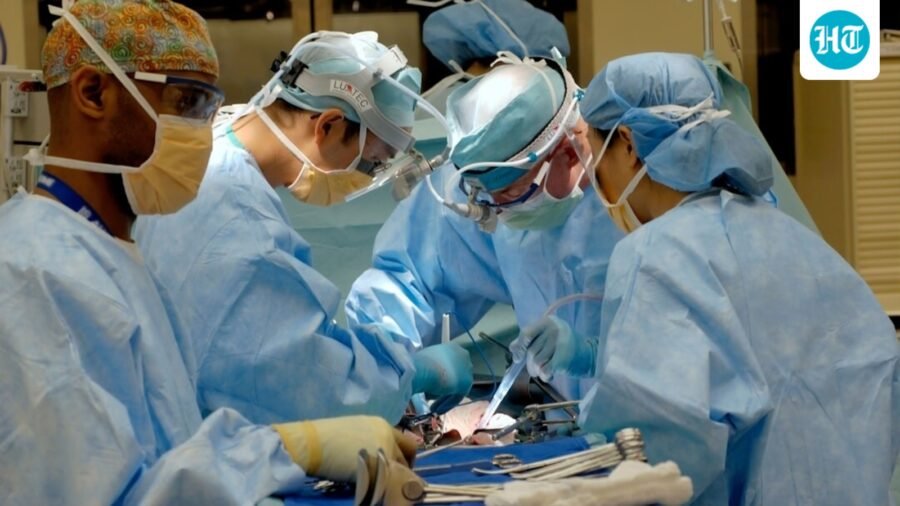
Can you live a normal life after an organ transplant? Heart surgeon explains what changes and what doesn’tUpdated on: Aug 21, 2026, 19:37:46 IST
Prefer HTon Google
Share via
Copy link
From medicines to diet and exercise, a heart surgeon explains what really changes after an organ transplant.
Getting a successful organ transplant can be like a second chance at life. But living well after transplant is more than getting a new organ. With the right medicines, ongoing monitoring and healthy habits, many recipients are able to return to active and fulfilling lives. In an interview with Lifestyle, Dr Biswarup Purkayastha, consultant, heart and lung transplant and vascular surgery, Artemis Hospitals, explains what life looks like after recovery.
What changes after a transplant?
Dr Biswarup highlighted that the biggest change is the need for anti-rejection medications for life. The medications prevent the immune system from attacking the new organ. They are important, but they also have the risk of infections and side effects such as high blood pressure, diabetes, kidney problems and changes in cholesterol. Do not stop or change medicines without consulting your doctor.
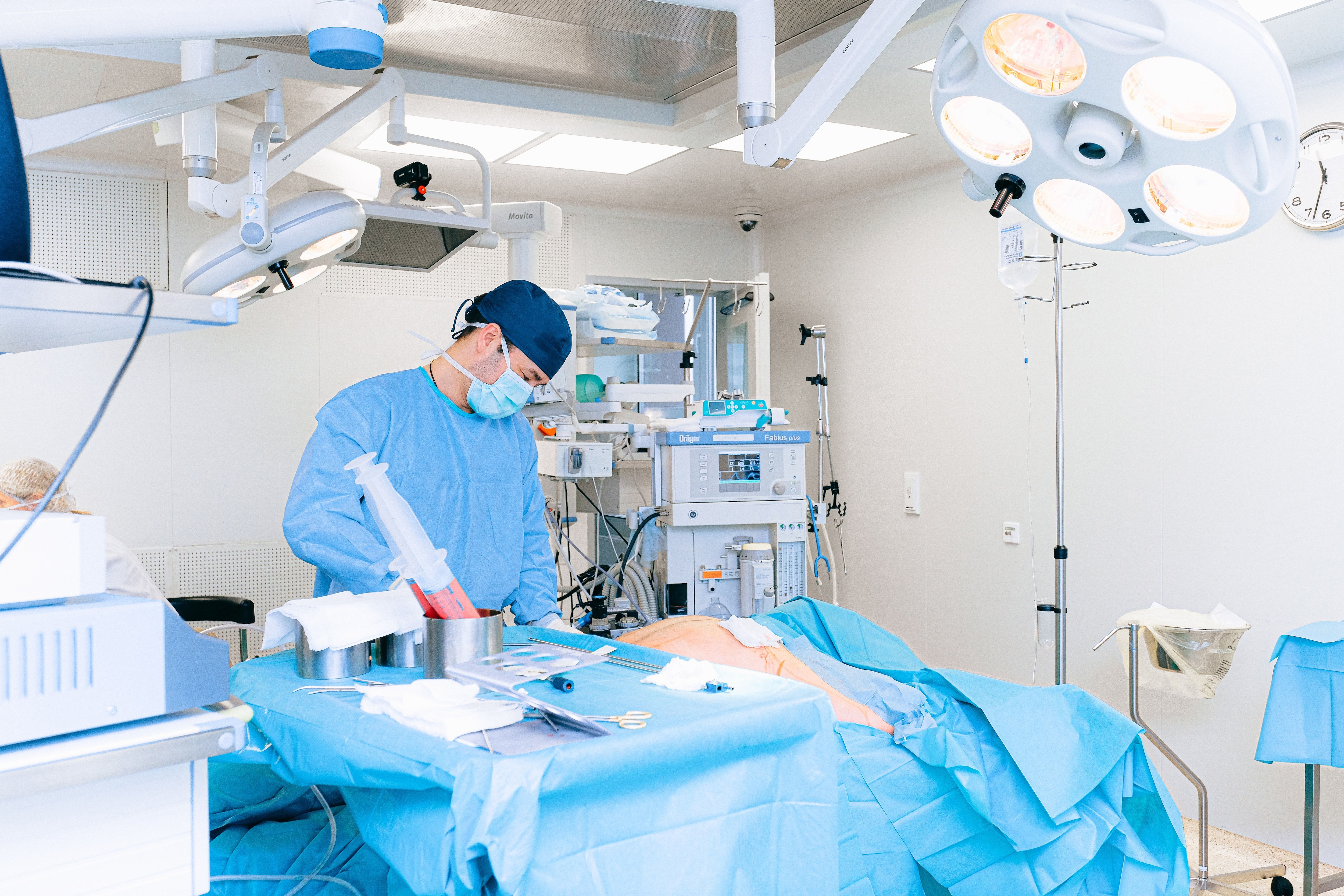
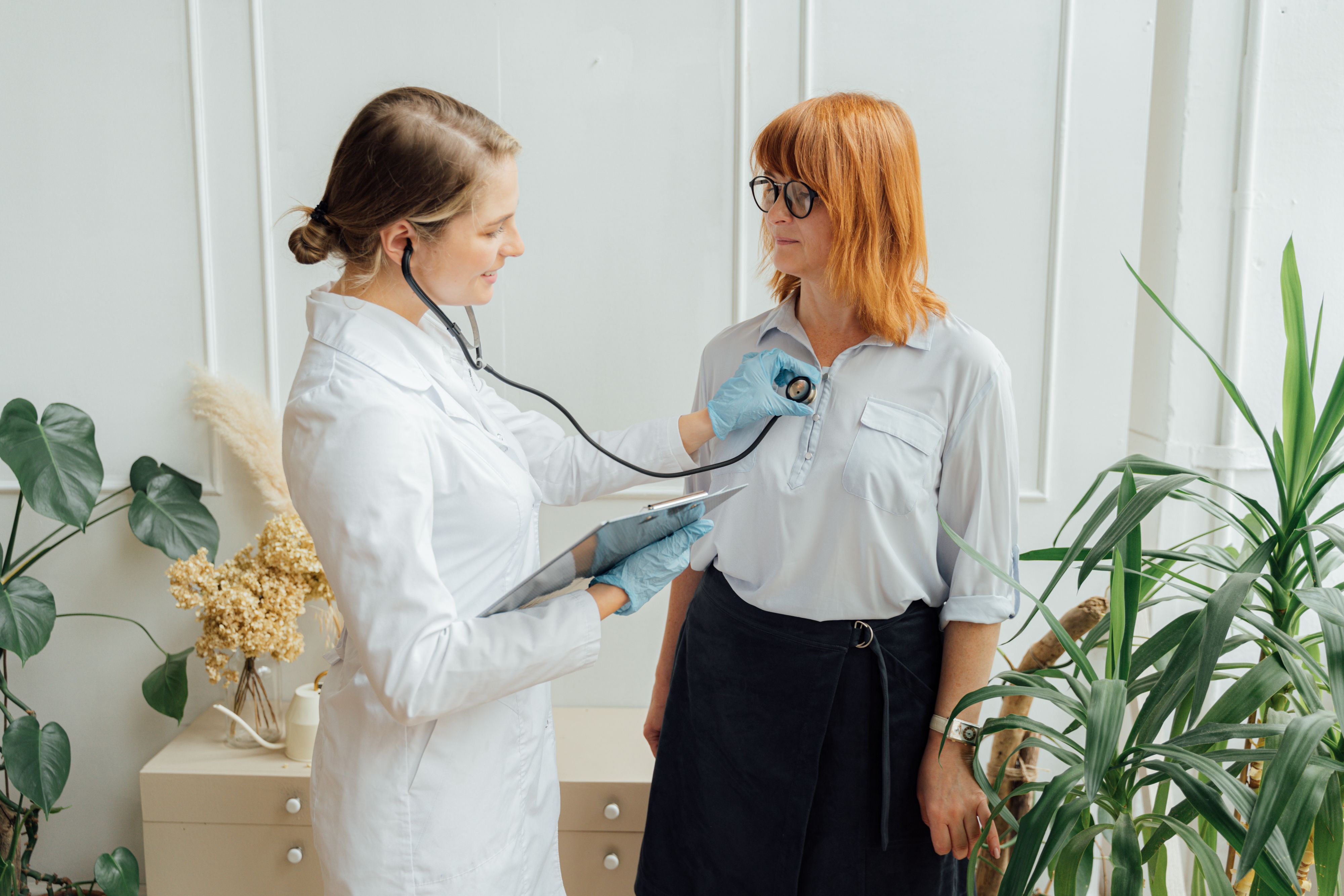
Regular medical check-ups also become part of daily life. Doctors will watch the function of the organ, blood tests, the levels of medication and any signs of infection or rejection. “The frequency of visits may be higher shortly after transplantation and is usually less frequent when the patient is stable,” said Dr Biswarup. Food and hygiene may also require more attention. A balanced diet, safe food handling, proper hydration and avoiding tobacco and alcohol can help to protect overall health and the transplanted organ.
What does not have to change?
According to Dr Biswarup, transplantation does not mean giving up a meaningful and active life. Many people can go back to work, exercise safely, travel and participate in everyday activities once they have fully recovered. Some transplant recipients may also be able to become pregnant, but this calls for careful planning and specialist supervision.
Emotional health is also important. Fear of rejection, anxiety about test results, and worry about the future are common. Having family, counsellors, transplant teams and patient groups to turn to can make the adjustment easier.
What should transplant recipients remember?
The transplanted organ needs care for the rest of the person’s life, even if the person feels perfectly fine. Report warning signs like a fever for no reason, sudden swelling, unusual tiredness, less urine, trouble breathing, pain over the transplanted organ and other sudden changes.
A successful transplant is more than simply keeping an organ functioning; it is about helping a person regain independence and quality of life. The aim is not only to survive after transplantation but also to thrive with the transplanted organ through regular medical care, healthy habits and regular monitoring.
Note to readers: This article is for informational purposes only and not a substitute for professional medical advice. Always seek the advice of your doctor with any questions about a medical condition.
Catch every big hit, every wicket with Crick-it, a one stop destination for Live Scores, Match Stats, Quizzes, Polls & much more. Explore now!.
Catch your daily dose of Fashion, Taylor Swift, Health, Festivals, Travel, Relationship, Recipe and all the other Latest Lifestyle News on Website and APPs.
See Less

Everyday explained: Why do we yawn when we see someone yawning?
By Sohail Khan · 21 Aug


Leave a Reply