Can repotting a houseplant expose you to bacteria that can make you sick? Doctor explains when it is a cause for concern
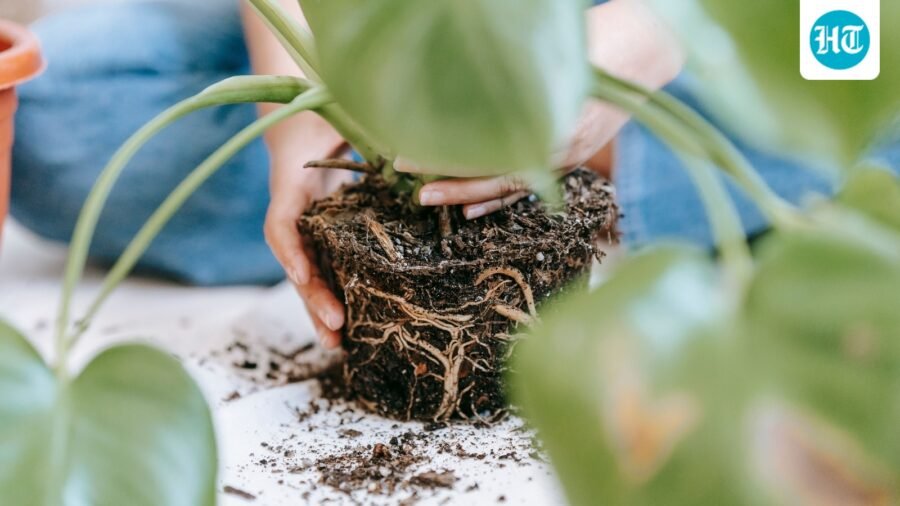
Can repotting a houseplant expose you to bacteria that can make you sick? Doctor explains when it is a cause for concernPublished on: Aug 20, 2026, 16:07:20 IST
Prefer HTon Google
Share via
Copy link
Repotting houseplants may pose a risk of exposure to harmful bacteria, warns Dr Kunal Sood, suggesting proper precautions that one can take.
Did you realise something as ordinary as repotting a house plant could expose your hands to bacteria? According to Dr Kunal Sood, an anaesthesiologist and interventional pain medicine physician, it could potentially make you sick.
Dr Kunal posted the video after a man shared his health journey, revealing that his house plants got him sick and now he has to live in a hospital until he gets a heart transplant. Though the anaesthesiologist did not confirm that repotting your plants could affect your heart health, he cautioned that certain bacteria found in damp soil and stagnant water in pots could pose a health risk.
Can repotting a houseplant expose you to bacteria?
While keeping indoor or outdoor plants is generally safe, Dr Kunal Sood stressed that damp soil and stagnant water in pots can harbour harmful microbes such as Pseudomonas.
“Getting sick from your house plants sounds almost impossible, but the soil and water around your plants can actually contain bacteria that could potentially make you sick. One possible culprit is Pseudomonas, which is a type of bacteria that thrives in moist environments and can sometimes be found in potting soil and standing plant water,” he explained.
View this post on Instagram
A post shared by Kunal Sood, MD (@doctorsoood)
How can these bacteria make you sick?
According to Dr Sood, every time you repot a plant, touch the soil, or empty old water, you could potentially get bacteria on your hands. For most people, that's not a reason to panic, he clarified, since your skin and immune system usually do a great job protecting you.
However, the bigger concern is when bacteria find an easier way into your body. It can happen through a cut, damaged skin, or a medical device.
‘Pseudomonas are difficult to treat…’
Dr Sood stressed that Pseudomonas can cause infections that are particularly difficult to treat. It is because some strains of this bacterium resist multiple antibiotics and can form protective communities called biofilms.
However, he added, “The good news is you don't need to get rid of your plants.” You can take a few precautionary steps that won't ruin a simple calming activity like repotting a plant for you:
- Wash your hands after handling soil or plant water.
- Consider gloves if you have cuts on your hands.
- Always wash up before touching a wound or medical equipment.
Dr Kunal Sood, MD, is a double board-certified physician in Anesthesiology and Interventional Pain Medicine. He did his residency and fellowship in anesthesiology at Wayne State University in Detroit, Michigan, followed by a one-year fellowship in interventional pain medicine. He later became the Medical Director of the office in Germantown, Maryland.
Note to readers: This article is for informational purposes only and not a substitute for professional medical advice. Always seek the advice of your doctor with any questions about a medical condition.
This report is based on user-generated content from social media. .com has not independently verified the claims and does not endorse them.
Catch every big hit, every wicket with Crick-it, a one stop destination for Live Scores, Match Stats, Quizzes, Polls & much more. Explore now!.
Catch your daily dose of Fashion, Taylor Swift, Health, Festivals, Travel, Relationship, Recipe and all the other Latest Lifestyle News on Website and APPs.
See Less


Leave a Reply