Can poor sleep harm your heart even if you have a healthy lifestyle? Cardiologist explains the hidden risk
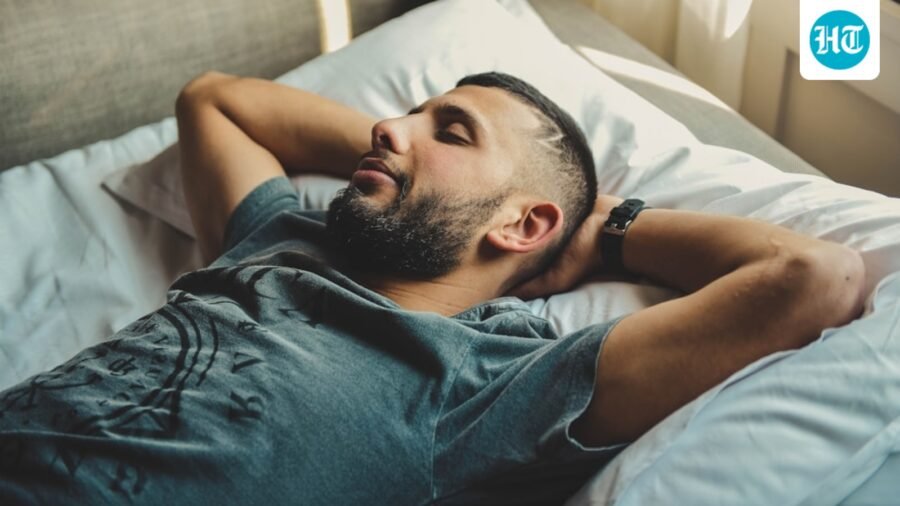
Can poor sleep harm your heart even if you have a healthy lifestyle? Cardiologist explains the hidden riskPublished on: Aug 25, 2026, 14:01:44 IST
Prefer HTon Google
Share via
Copy link
Poor sleep could be the missing piece in your heart health routine even if you eat well and exercise. Here’s what you need to know.
Someone can run five kilometres most mornings, cook from scratch, skip the fried food and still be doing quiet damage to their heart every single night — simply by treating sleep as optional. It's the blind spot in most health routines. Diet gets planned, workouts get scheduled, but bedtime slides later and later, or shifts unpredictably from one night to the next. In an interview with Lifestyle, Dr Anshul Kumar Jain, director of Cardiology at the CK Birla Hospital, Delhi, revealed how poor sleep can impact your heart health.
Also read | Why prioritising heart health is one of the most important forms of self-care for mothers
Blood pressure that never gets a break
Dr Anshul highlighted that a healthy heart is supposed to catch a break overnight; blood pressure naturally dips by around ten to twenty per cent during good-quality sleep, giving blood vessels a chance to rest. “Poor or fragmented sleep interferes with that dip. The body stays in a more alert, sympathetic-nervous-system-driven state, heart rate stays higher than it should, and blood pressure doesn't fall the way it needs to,” added Dr Anshul.
He explained that if you do that often enough, the cardiovascular system starts operating in a near-permanent state of mild alarm, with cortisol and adrenaline running higher than normal, adding further strain to an already overworked heart.
Slow damage to the blood vessels
According to Dr Jain, chronic poor sleep also stokes low-grade inflammation throughout the body. Over months and years, that inflammatory activity contributes to damage in the lining of blood vessels and speeds up the build-up of fatty plaque, atherosclerosis, narrowing the arteries that feed the heart.
Closely linked to this is the effect on the endothelium, the delicate inner lining of blood vessels responsible for helping them relax and widen when needed. Poor sleep blunts that ability, leaving vessels stiffer and less responsive, which nudges cardiovascular risk upward even in people who otherwise look fit and healthy.
The metabolic knock-on effect
Dr Jain highlighted that sleep loss doesn't stay contained to the heart itself — it ripples into metabolism. It reduces insulin sensitivity, nudging blood sugar regulation off course and raising the long-term risk of type 2 diabetes, itself one of the biggest drivers of cardiovascular disease. Sleep also governs appetite hormones; when it's disrupted, hunger cues become less reliable, cravings for high-calorie food increase, and weight tends to creep up.
Why does irregular sleep timing matter just as much as duration?
It isn't only about clocking enough hours — consistency counts for a great deal too. Going to bed and waking at wildly different times throughout the week, or trying to catch up with a lie-in at the weekend, doesn't fully undo the damage of short or disrupted sleep on weekdays. The body relies on a steady internal clock, and constantly shifting sleep patterns have been linked to a meaningfully higher risk of heart attack and stroke — alongside the more immediate, everyday cost of foggy concentration and poor focus at work.
Why exercise and good food aren't enough on their own?
According to Dr Jain, physical activity and a decent diet protect the heart, but they don't cancel out the consequences of chronically poor sleep. The mechanisms overlap in places, yet each pathway- blood pressure, inflammation, vascular function, metabolism- operates somewhat independently. A dedicated exerciser who sleeps five broken hours a night is still exposing their heart to sustained strain that daily steps and salads can't fully offset.
Note to readers: This article is for informational purposes only and not a substitute for professional medical advice. Always seek the advice of your doctor with any questions about a medical condition.
Catch every big hit, every wicket with Crick-it, a one stop destination for Live Scores, Match Stats, Quizzes, Polls & much more. Explore now!.
Catch your daily dose of Fashion, Taylor Swift, Health, Festivals, Travel, Relationship, Recipe and all the other Latest Lifestyle News on Website and APPs.
See Less

Feeling low after childbirth? Doctor shares how to know if it is postpartum depression
By Sohail Khan · 25 Sep