Bow legs vs knock knees: Paediatric orthopaedic Dr Somesh Virmani explains leg alignment in children, when to seek help
Bow legs vs knock knees: Paediatric orthopaedic Dr Somesh Virmani explains leg alignment in children, when to seek helpPublished on: Aug 26, 2026, 13:55:49 IST
Prefer HTon Google
Share via
Copy link
Knee alignment issues like bow legs, knock knees are common in children and usually resolves on their own, but in some cases, medical intervention is needed.
A child’s legs rarely look perfectly straight during the early years. Changes in leg alignment are usually part of normal skeletal development, but parents often worry when the knees or ankles appear unusually far apart.
According to paediatric orthopaedic Dr Somesh Virmani, knowing the difference between bow legs and knock knees can help families avoid unnecessary treatment while recognising problems that need specialist assessment.
He shared what the two conditions are with Lifestyle, when parents should seek medical help, and what the common treatment options are. They are presented as follows.
What are bow legs?
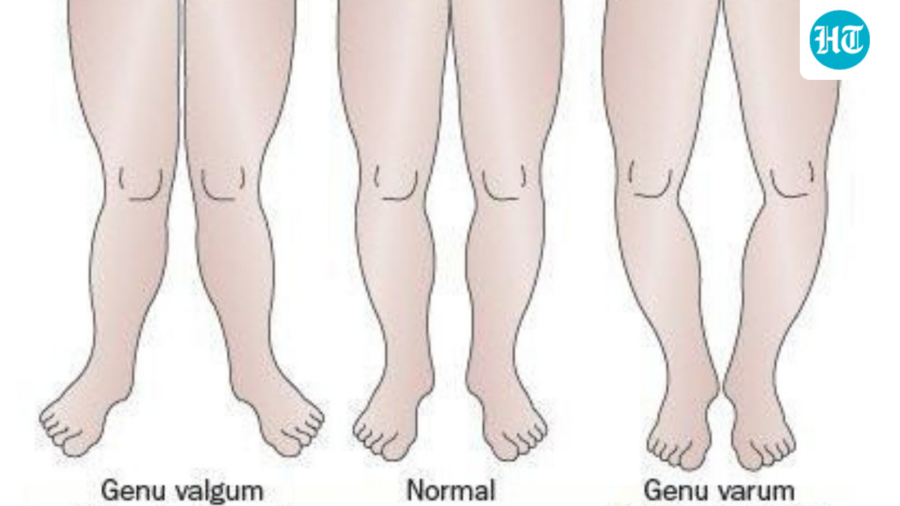
Bow legs, medically called genu varum, mean the legs curve outward. In this condition, when a child stands with the feet together, the knees remain separated, noted Dr Virmani.
“Physiological genu varum usually improves as a child grows. By around 18 to 24 months, the legs generally become straighter, after which many children gradually develop a mild knock-kneed alignment,” he stated.
What are knock knees?
Knock knees is a condition also referred to as genu valgum, which occurs when the knees face inwards. This phenomenon occurs when the knees touch while the ankles remain apart, explained the paediatric orthopaedic.
This condition typically appears between the ages of two and six and usually subsides as the person grows older.
In the words of Dr Virmani, “The appearance of knock knees is simply due to the normal physiology of the femur and tibia, which are the thigh and shin bones of the body, respectively. The presence of knock knees in the lower limbs of a growing child is very common.”
When should parents seek medical help?
According to Dr Virmani, the important issue is not simply whether a child has bow legs or knock knees, but whether the pattern fits their age and growth stage.
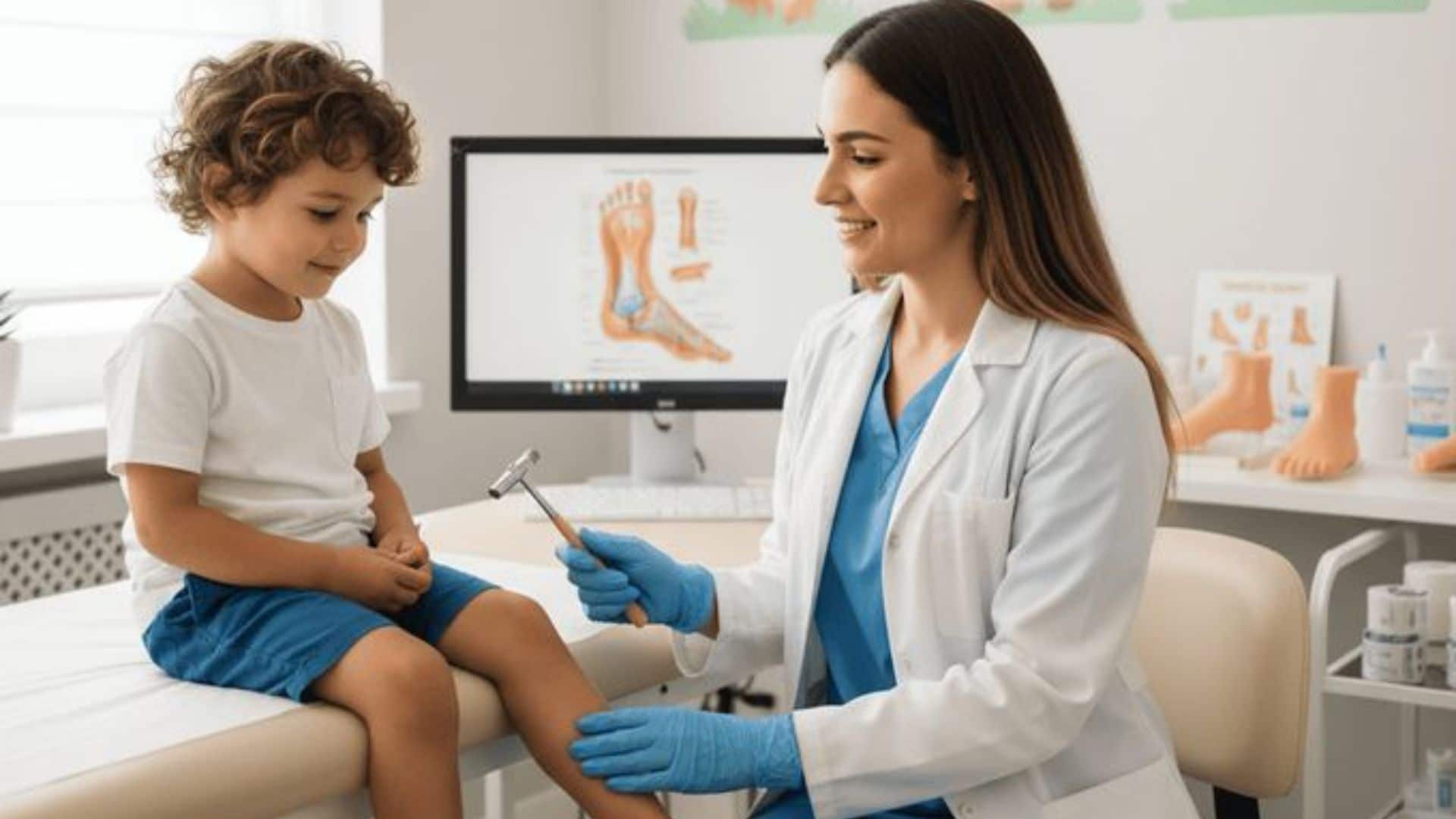
“Concern is greater when the deformity is severe, clearly affects only one leg, continues beyond the expected age, becomes progressively worse, or causes pain, limping or difficulty walking,” he stated. “These signs warrant assessment rather than waiting for the alignment to correct on its own.”
The paediatric orthopaedic noted that doctors can assess the child’s gait, limb alignment, growth pattern and joint movement.
Persistent or atypical bowing can sometimes be linked to conditions such as Blount disease, which affects growth around the upper tibia, or nutritional rickets (vitamin D deficiency), which weakens growing bones. Knock knees may occasionally be associated with skeletal disorders, previous injury or other growth abnormalities. A child’s footwear and activity level can also influence how alignment looks.
Common treatments for deformed leg alignment
Dr Virmani shared that if there is true deformity present, the treatment will be targeted towards correcting nutritional deficits or treatment of any other underlying disorder.
A few selected patients will need a minimally invasive surgery, which doesn't require any bed rest or activity modification. Few others with severe deformity will need corrective osteotomy,” he noted.
“The most important thing parents need to understand is that not all deformities are abnormal and many of them will not need any intervention,” added the physician.
Note to readers: This article is for informational purposes only and not a substitute for professional medical advice. Always seek the advice of your doctor with any questions about a medical condition.
Dr Somesh Virmani is the associate director and head – paediatric orthopaedics, Sarvodaya Hospital, Sector-8, Faridabad. He has over 26 years of experience in orthopaedics and over 13 years of exclusive experience in paediatric orthopaedics.
Catch every big hit, every wicket with Crick-it, a one stop destination for Live Scores, Match Stats, Quizzes, Polls & much more. Explore now!.
Catch your daily dose of Fashion, Taylor Swift, Health, Festivals, Travel, Relationship, Recipe and all the other Latest Lifestyle News on Website and APPs.
See Less



Worried about respiratory health? Pulmonologist shares 5 simple habits to keep lungs healthy
By Sohail Khan · 26 Sep