Born after 7 years: Why Sikkim’s Red Panda cubs Numa and Nuba matter
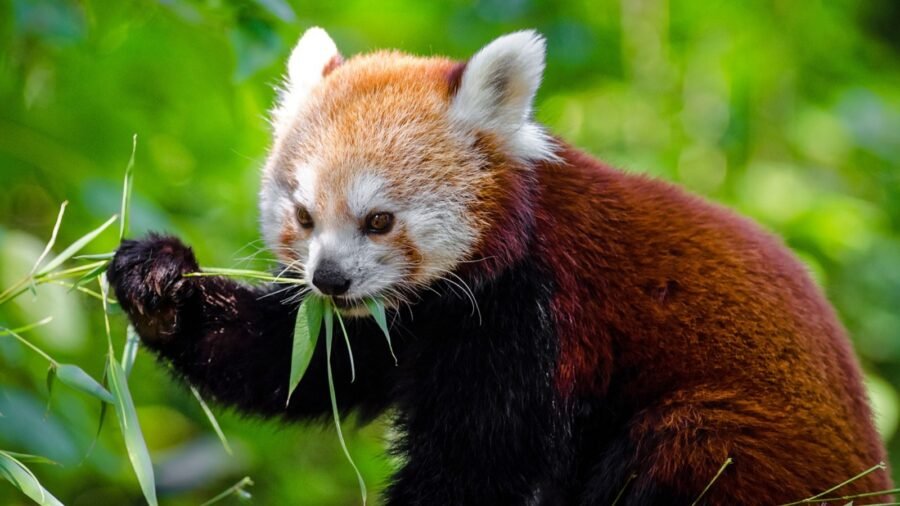
Two red panda cubs, Numa and Nuba, are drawing attention to Sikkim’s conservation efforts after being born at the Himalayan Zoological Park in Gangtok following a seven-year gap in successful births. The male and female cubs were born on June 15, 2025, to Lucky-II and Mirak and are now showing healthy growth. The park’s captive red panda population was previously severely affected by two outbreaks of canine distemper.
The cubs are also part of a conservation breeding programme that has been running at the park since 1997, with animals tracked through national and international studbooks to maintain genetic diversity.
Story continues below this ad
Wildlife photographer Sushil Chikane explains why their birth matters beyond the excitement of seeing two new cubs.
Why is the birth of Numa and Nuba significant?
According to Chikane, the birth represents an important step for a captive breeding programme that had faced serious setbacks.
“The birth of these two red panda cubs at the Himalayan Zoological Park in Gangtok is a milestone for Indian wildlife conservation for various reasons,” he says.
The first is the recovery of the captive population after disease outbreaks. The second is genetic diversity. “With mother Lucky-II and father Mirak producing their first litter, the zoo is introducing vital new bloodlines into the global studbook. In a small captive population, avoiding inbreeding is everything,” Chikane explains.
Story continues below this ad
Why genetic diversity matters
“These cubs strengthen a genetically viable ‘insurance population’ capable of supplementing wild populations in the Eastern Himalayas,” Chikane says.
Red pandas are listed as Endangered by the IUCN, with fewer than 10,000 believed to remain in the wild, although exact population estimates are uncertain. The Eastern Himalayas account for a significant part of their habitat.
A rare behaviour observed in the father
The cubs have also provided an interesting behavioural observation. Red pandas are largely solitary, and males generally do not participate in raising cubs. Yet, according to reports, park officials observed Mirak participating in nest-building with Lucky-II.
“During this breeding cycle, zoologists documented Mirak actively assisting Lucky-II with nest-building—a rare, documented behavioural anomaly that adds valuable scientific data to red panda ethology,” says Chikane.
Story continues below this ad
The mother continues to play the primary role in cub-rearing, with young red pandas learning behaviours such as climbing and foraging from her.
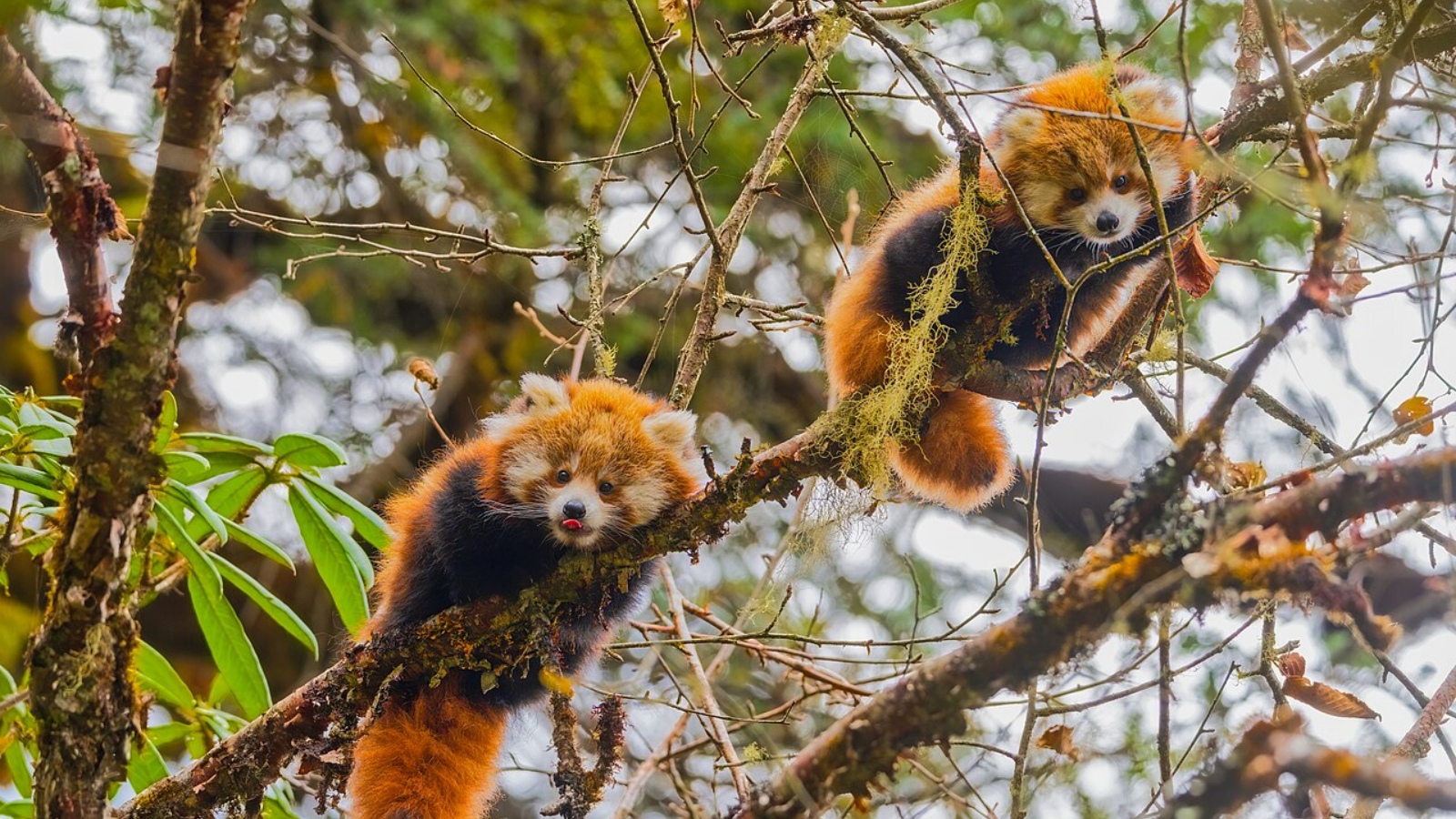 Two cubs perched in a tree
Why canine distemper remains a major concern
The seven-year breeding gap was linked to challenges including two outbreaks of Canine Distemper Virus (CDV), which nearly decimated the park’s captive red panda population.
Chikane says captive red pandas are particularly vulnerable to the virus. “The virus causes rapid and catastrophic decline, progressing quickly from severe respiratory and gastrointestinal symptoms to fatal neurological failure,” he says.
Because CDV is highly contagious, an infected animal can also expose other susceptible animals, making disease prevention particularly important in a small captive population.
Story continues below this ad
How can the cubs be protected?
Chikane says protecting young cubs requires strict disease-control measures, including appropriate vaccination, biosecurity and preventing contact with potential sources of infection.
He recommends canarypox-vectored recombinant distemper vaccines where appropriate under veterinary guidance, along with measures to prevent contact with potentially infected feral dogs and other carnivores.
“Maintaining double-fenced perimeters to eliminate potential fence-line contact with outside animals is important,” he says.
He also stresses strict keeper hygiene, including dedicated footwear and sanitised equipment when staff move between carnivore enclosures and breeding areas.
Story continues below this ad
New animals entering the facility should undergo 30–45 days of quarantine with comprehensive health screening, he adds. Vaccination of domestic dogs in surrounding areas can also help reduce environmental viral pressure.
Explore more captivating stories about pets and animals here, and make us your daily stop for the latest from the animal kingdom.

What an infrastructure of innovation depends on — a responsive legal system
By Sohail Khan · 30 Sep
Trust deficit and caste at India’s premier institutions
By Sohail Khan · 30 Sep
Uttarakhand’s first glacial lake early-warning system: What it will monitor, why it matters
By Sohail Khan · 30 Sep