BMC death data throws up major mismatch in malaria, dengue figures
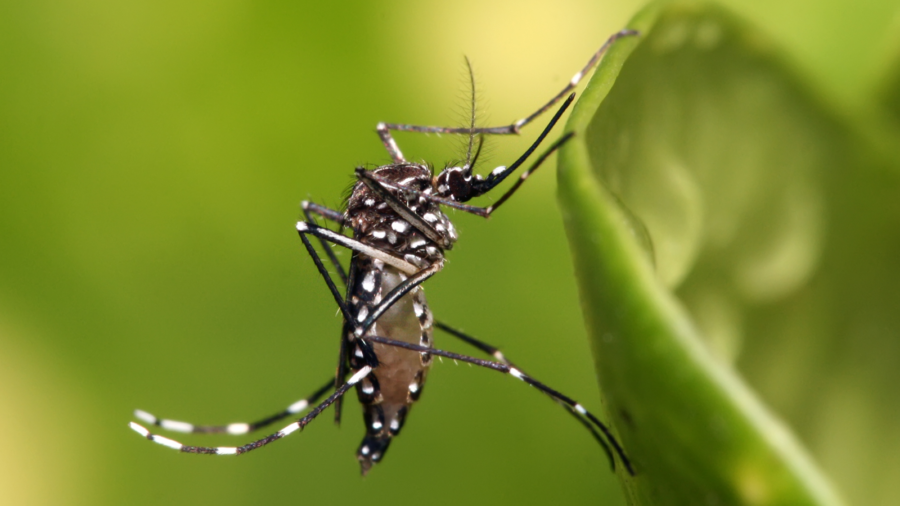
A sharp discrepancy has emerged in the BMC’s recording of malaria and dengue deaths, with civic death records showing substantially higher numbers than those reported through its disease surveillance system, according to data obtained under the Right to Information (RTI) Act.
The RTI response, obtained by activist Chetan Kothari, shows that 93 malaria deaths and 201 dengue deaths were recorded in 2024 in a BMC table based on International Classification of Diseases (ICD) coding. However, the civic body’s disease-wise figures for the same year show only seven malaria and five dengue deaths.
The gap is visible in earlier years as well. Malaria deaths in the disease-wise data stood at one each in 2021 and 2022 and two in 2023, against corresponding death-record figures that were substantially higher. Dengue deaths were five, seven and 14, respectively, in the disease-wise data for these three years.
The discrepancy continues in provisional 2025 data. The BMC’s table, based on coding of available death forms, records 196 malaria and 169 dengue deaths. The civic body has cautioned that the 2025 figures are provisional.
“We are still analysing the data for communicable diseases. The discrepancy is being examined as part of a revision of the data, with cross-checking underway to identify errors. The figures therefore need to be viewed with this caveat,” said BMC Executive Health Officer Dr Daksha Shah.
The data also highlights the growing burden of non-communicable diseases. Cancer accounted for 10,004 deaths in the provisional 2025 figures, followed by heart attack at 9,453. In 2024, heart attack was the leading cause among the listed categories, with 16,805 deaths, while cancer accounted for 9,978.
Tuberculosis deaths rose from 3,031 in 2024 to 3,472 in 2025, an increase of 14.5 per cent. Brain stroke deaths increased from 1,726 to 2,173, a rise of nearly 26 per cent.
Story continues below this ad
Shah said the BMC was strengthening cancer care and screening for diabetes and hypertension. It has also introduced yoga centres and dietitian services for lifestyle management.
On tuberculosis, Shah said newer treatment approaches had helped increase the BMC’s reported cure rate from around 40 per cent to 80 per cent over the past seven to eight years.
Mumbai: BMC’s HBT Trauma Care Hospital May Face Added Patient Load As ESIS Seeks Empanelment
By Sohail Khan · 12 Sep