‘Awkward for me too’: How Sanjay Dutt’s candid admission eased Vidya Balan’s nerves on Parineeta
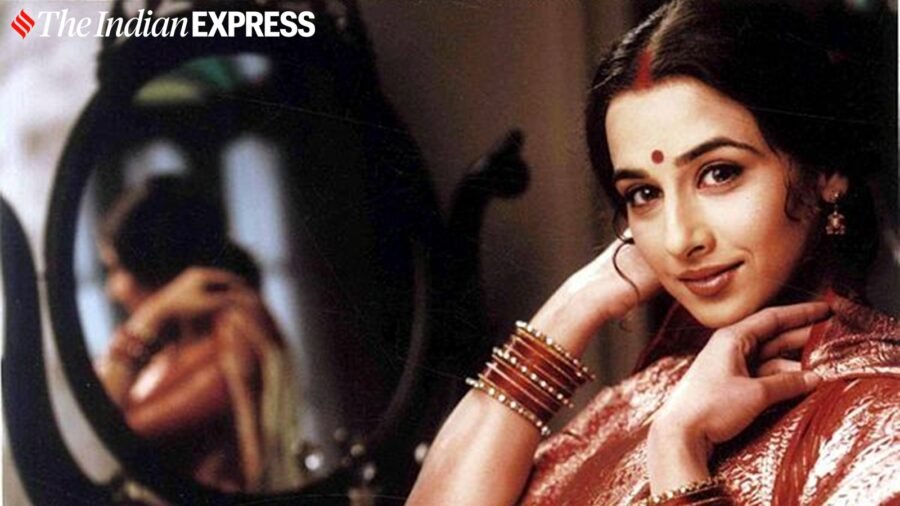
Imagine standing in front of dozens of crew members, lights glaring, cameras rolling and knowing you’re about to perform one of the most emotionally intense and first intimate scenes of your career. That’s exactly where Vidya Balan found herself during the filming of Parineeta. But just before the take, her co-star Sanjay Dutt leaned in and quietly said, “Vidya, I’m really nervous. This is awkward for me too,” recallled the actor during a candid chat with The Hollywood Reporter India.
That single moment of honesty broke the tension. She no longer felt alone in her discomfort. Instead, she felt seen, understood, and supported. His vulnerability didn’t take away from the moment—it gave it depth and strength.
Many people think of vulnerability as a liability, a sign of emotional exposure or fragility. But in reality, vulnerability takes strength. It takes courage to admit when we’re unsure, afraid, or overwhelmed, especially in moments where we’re expected to be composed or in control.
“When Sanjay Dutt admitted his own discomfort, he wasn’t being unprofessional; he was being real. His openness allowed for emotional safety, which psychologists call psychological safety: the freedom to be authentic without fear of judgment. In therapy, relationships, or workspaces, vulnerability creates connection. It sends a silent message: it gently says, ‘You don’t have to pretend here. Being human is enough,” said Rutuja Walawalkar, Psychologist at Mpower, Aditya Birla Education Trust.
Clinically, she said that vulnerability helps reduce emotional isolation. “When we share our truth, we signal to others that we trust them and that trust invites empathy. Neuroscience backs this up: our brain’s mirror neuron system lights up when we see someone express real emotion, triggering emotional resonance,” said Walawalkar, adding that this is why honest moments build stronger connections between co-stars, friends, partners, or even coworkers. Research shows that people who are willing to show vulnerability are often seen as more relatable, emotionally intelligent, and trustworthy.
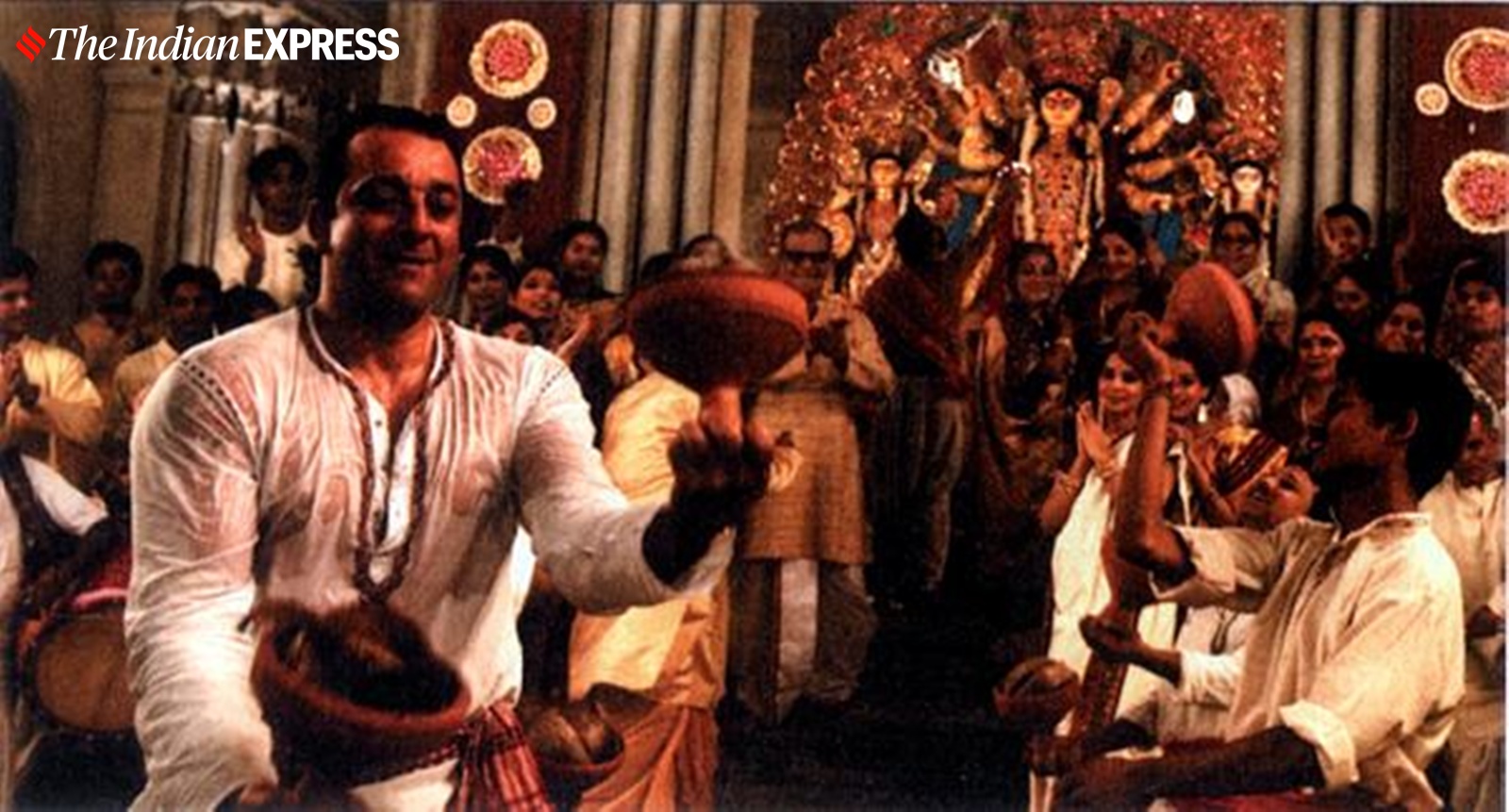 Sanjay Dutt in Parineeta
How can you open yourself up?
According to Walawalkar, opening up can feel risky especially if past experiences involved judgment or rejection. But being vulnerable doesn’t mean spilling everything. It means sharing honestly and intentionally.
She shared some easy ways to begin:
Story continues below this ad
Start with Safe People: Open up with those who’ve shown empathy and care. Safety matters.
Use Small Moments: Vulnerability doesn’t require big confessions. Saying, “That was hard,” or “I feel unsure,” can open the door to connection.
Validate Your Emotions: Before sharing, learn to honor your own feelings. Accepting them internally makes it easier to express them.
Let Go of Perfectionism: You don’t have to be flawless to be worthy. Your humanity is what draws others closer.
Story continues below this ad
Know Your Boundaries: Vulnerability is thoughtful, not reckless. Share only what feels true to you and honors your emotional boundaries.
“In a society that idolises strength and composure, we often silence our real feelings. But as Vidya Balan’s story shows, it’s not flawless moments that connect us, it’s honest ones. Her experience reminds us that true courage isn’t about pretending we’re fearless, it’s about choosing to share our fears with honesty and care,” said Walawalkar.
So next time you feel uncertain or emotionally exposed, remember: vulnerability isn’t your weakness it’s your superpower. It’s the bridge between isolation and intimacy, between fear and real connection.


Why rare-disease drugs could become India’s next pharma frontier
By Sohail Khan · 29 Sep
How merging Tata Electronics, TCE could help Tata Sons avoid an RBI-mandated listing
By Sohail Khan · 29 Sep