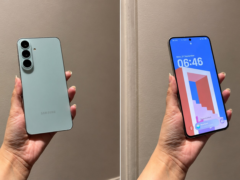
Are flip phones no longer fashionable? Book-style foldables could be to blame, experts say
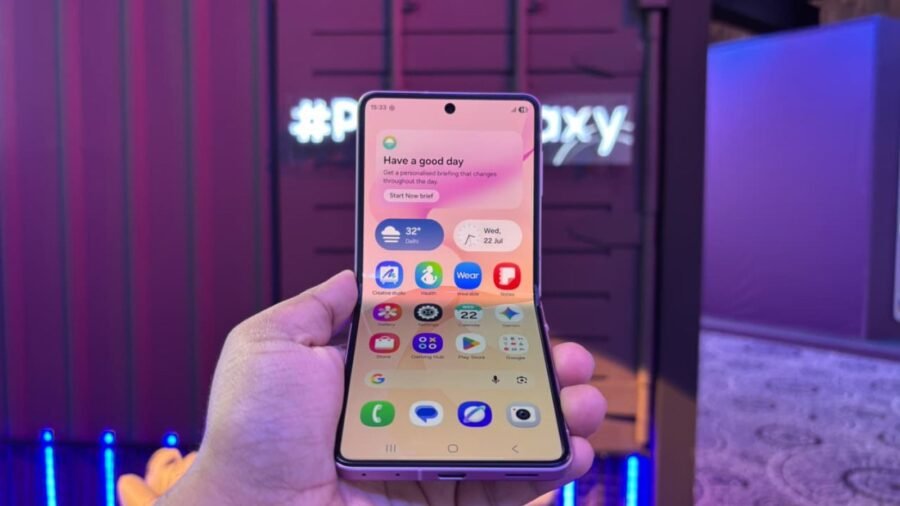
Do you remember the Motorola Razr from 2019, the first flip phone with a foldable OLED display panel inside? It sparked the modern revival of clamshell-style foldables, with rivals such as Samsung, Oppo, Vivo, and Xiaomi racing to capture a slice of the nostalgia pie.
But that scramble appears to have faded fast.
Today, the shelf only seems to be holding space for Samsung’s Galaxy Z Flip 8, with no other prominent players competing in the segment anymore. In fact, Samsung’s take on a cheaper flip phone, called the Galaxy Z Flip FE, has not seen a successor as well.
Does that mean the flip phone has fallen out of fashion?
Story continues below this ad
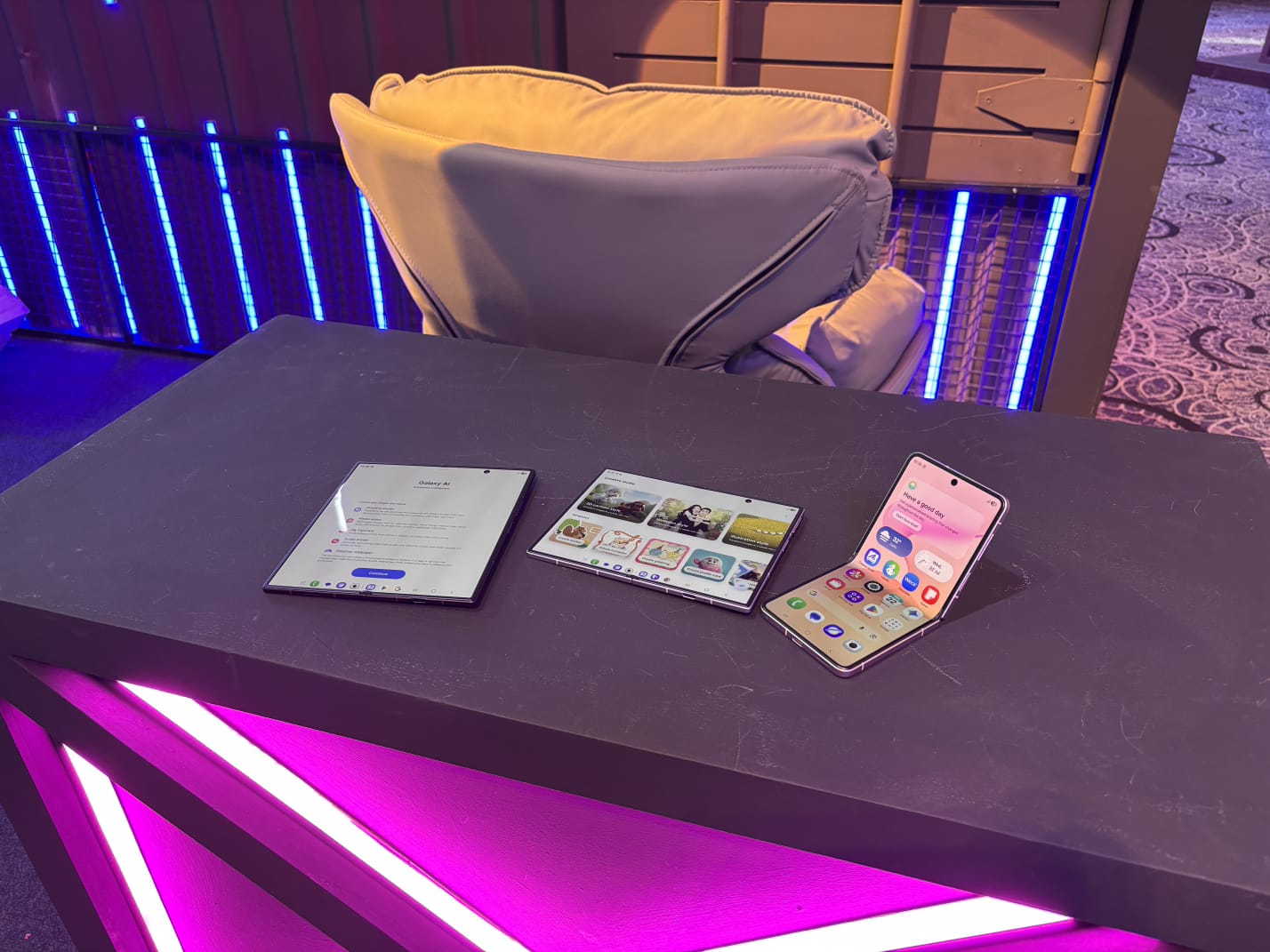 Flip-style foldable engineering forces painful trade-offs in battery life, thermals, and camera optics.
Data from Counterpoint Research suggests that OEMs (Original Equipment Manufacturer) are rapidly abandoning clamshell-style foldables for productivity-focused, ‘book-style’ models based on consumer preferences. It projected that book-style devices will capture 65 per cent to 76 per cent of total foldable shipments in the future, up from a previous 52 per cent.
As for flip-style foldables, that may not be the case.
To understand why there is such a divide and other hard truths about the shrinking clamshell foldable segment, Counterpoint Research’s Director Tarun Pathak spoke to indianexpress.com.
‘Most users want more screen’
While the initial hype heavily relied on novelty and fashion, daily usability exposed standard clamshell limitations.
Story continues below this ad
“At one point in time, the sales of flip were higher than the full-sized book type. Now, things have reversed—almost 67 per cent of users are preferring book type as compared to flip,” Pathak said.
“When the flip category started, there was a clear split in demography and lifestyle dressing. Over a period of time, users realised that technically, you are not getting extra real estate on the display. It’s the same phone just being folded, but you are not getting any additional display space on top of it,” he added.
Even with the cover displays stretched edge-to-edge and the software supporting more apps and workflows, the core design fails to support modern multi-app workflows. You can get smaller tasks like responding to text messages and checking emails done, but you cannot multitask, according to Pathak.
Compromises in hardware
Flip-style foldable engineering forces painful trade-offs in battery life, thermals, and camera optics.
Story continues below this ad
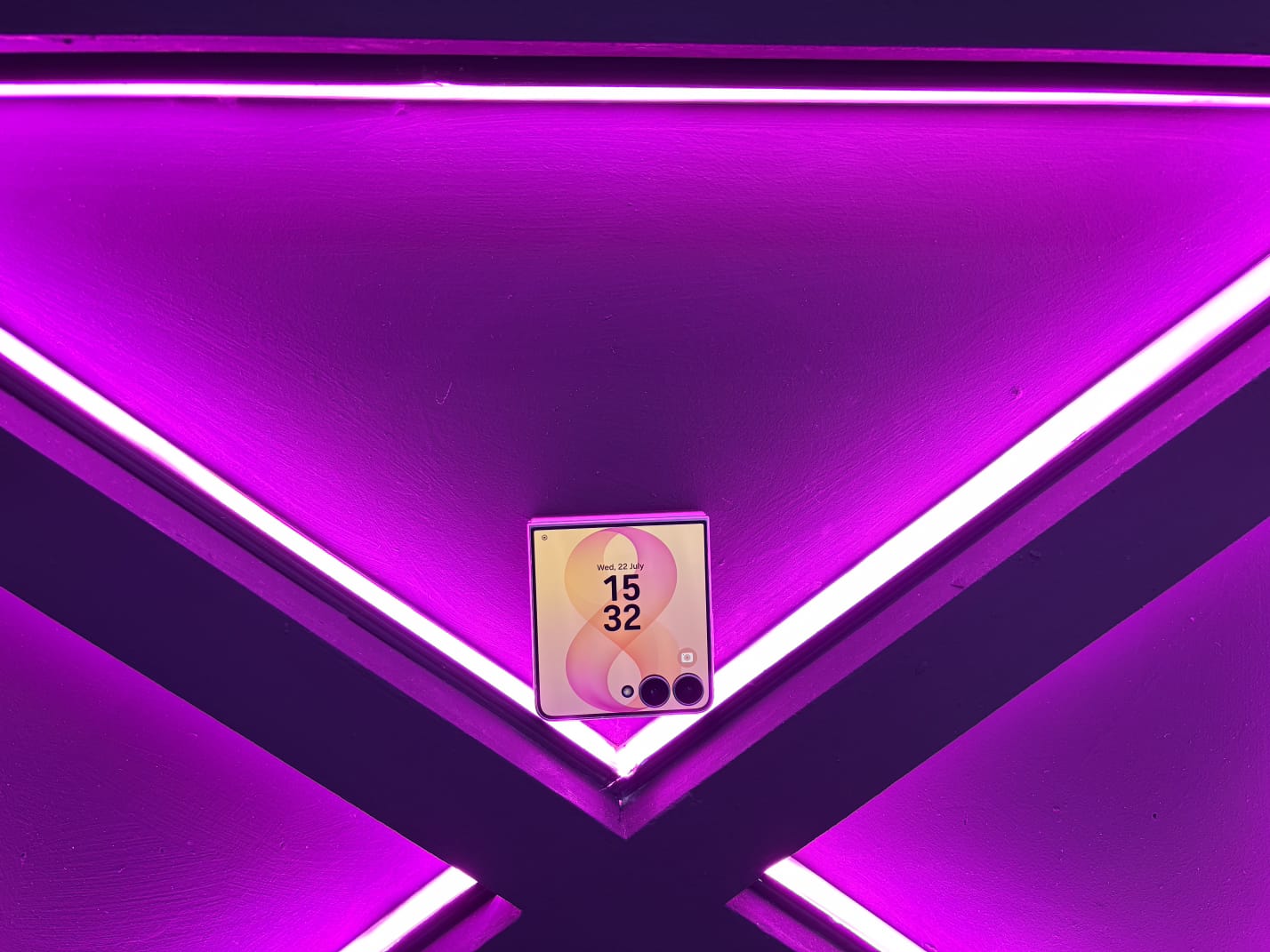 The initial hype heavily relied on novelty and fashion.
“You have to trade off a lot of things,” said Pathak. “First, you are paying more. But at the same time, there are trade-offs from the cameras because of the form factor, and trade-offs from the battery—because the battery needs to be split into two halves, which limits your capacity,” he added.
Exorbitant repair prices further destroy the value proposition. “There is also a big factor of repairs—if your phone cracks or something happens to the display, the cost to clear or repair it is largely higher,” Pathak noted.
“So, while people still appreciate the freshness of a new form factor, the clear use case within foldables has shifted towards the larger book type,” he said.
The industry effect: AI and Apple
Generative AI tools and multi-window workflows crave more canvas space, a demand that book-style hybrids meet effortlessly. Additionally, persistent leaks of a widescreen ‘iPhone Fold’ have pushed Android OEMs to align R&D budgets with Apple’s expected direction in the foldable phone journey, thus leaving little incentive to fund development of flip-style foldables.
This story is written by Amritanshu Mukherjee.