Almond milk or whole almonds: Experts explain which is healthier
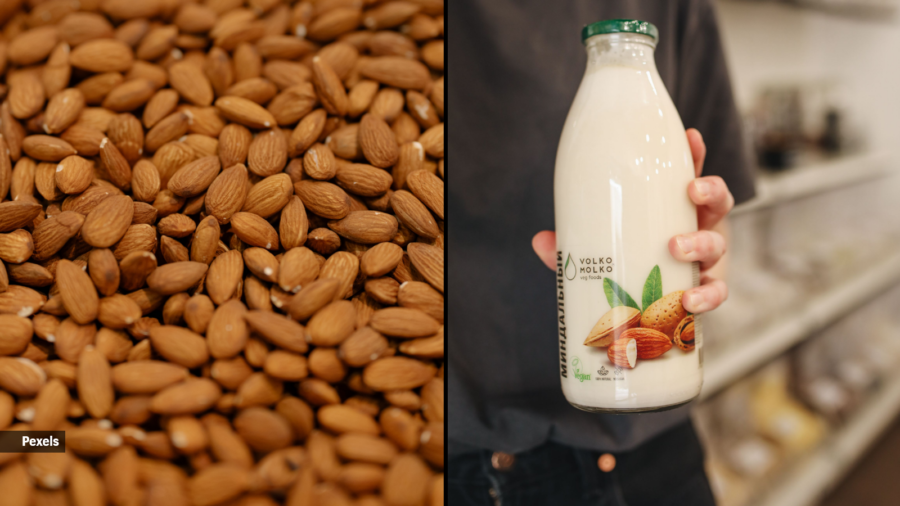
Almond milk has become a staple in smoothies, coffee and breakfast bowls, especially among people looking for a dairy-free alternative. But does drinking a glass of almond milk give you the same health benefits as eating a handful of almonds?
Not quite, say nutrition experts. While both can be part of a healthy diet, they serve different purposes and aren’t nutritionally interchangeable.
“If I had to pick one, I would always choose whole almonds over almond milk,” Richa Sharma, Consultant Dietetics, Kailash Deepak Hospital, tells indianexpress.com.
Story continues below this ad
According to her, many people assume almond milk is simply “liquid almonds”, but that’s a misconception.
“Most of what you are drinking is water, and in many commercial products, the actual almond content is quite low. So naturally, you are not getting the same nutrition you would get from eating a handful of almonds,” she tells indianexpress.com.
Why whole almonds come out on top
Whole almonds naturally provide protein, heart-healthy fats, fibre, vitamin E and minerals such as magnesium. These nutrients work together to support heart health, digestion and satiety.
Story continues below this ad
By contrast, almond milk is primarily a dairy alternative rather than a replacement for almonds.
“A handful (28 g) of almonds gives you around 6 g protein, 14 g healthy fats, 3.5 g fibre, plus vitamin E and magnesium,” Lakshmi Kale, Head Nutritionist at Nutrition In Sync, notes.
A cup of unsweetened almond, on the other hand, usually has just 30–40 calories, about 1 g protein, and almost no fibre, “because it’s mostly water with a small amount of almonds (often just ~2%).”
What happens during processing?
 When almonds are blended with water and then strained, most of the fibre stays in the leftover pulp
One of the biggest nutritional losses occurs during the making of almond milk.
Story continues below this ad
“When almonds are blended with water and then strained, most of the fibre stays in the leftover pulp instead of ending up in your glass,” says Sharma.
Since only a small amount of almonds is usually used, the protein and healthy fats are also much lower than what you would get from eating the nuts.
Kale echoes this and further adds that while almond milk retains a little healthy fat and vitamin E, it contains nowhere near the amount found in whole almonds.
So who should choose almond milk?
If you’re lactose intolerant, allergic to dairy or follow a vegan diet, unsweetened almond milk can be a practical alternative to cow’s milk.
Story continues below this ad
However, if your goal is to increase protein and fibre intake, support heart health, improve blood sugar control or stay fuller for longer, whole almonds are the better choice.
“I would look at almond milk as a substitute for dairy milk, not as a substitute for almonds,” says Sharma.
Store-bought vs homemade almond milk
Homemade almond milk may contain slightly more nutrients if more almonds are used, but straining still removes much of the fibre.
“Homemade almond milk is cleaner and free from additives, but unless you fortify it yourself, it isn’t a reliable source of these nutrients,” Kale clarifies.
Story continues below this ad
Store-bought almond milk, on the other hand, is often fortified with calcium and vitamin D, making it a useful substitute for dairy milk.
What to check before buying almond milk
Not all almond milk is created equal. Experts recommend choosing unsweetened varieties to avoid added sugar. It’s also worth looking for products fortified with calcium and vitamin D if you’re replacing dairy.
Sharma also advises reading the ingredient list carefully, as some brands contain very little almond and rely on stabilisers or thickeners for texture.
Kale adds that if you have a sensitive gut, you may prefer to avoid carrageenan, while stabilisers such as gellan gum and guar gum are generally well tolerated by most people. A shorter ingredient list is usually a good sign.
Story continues below this ad
Bottom line? Almond milk and whole almonds each have a place in a healthy diet—but if you’re eating almonds for their nutrition, the whole nut is hard to beat.

Dissent is not dysfunction, institutions need it
By Sohail Khan · 25 Sep
What does the IIT-Bombay suicide tell us? On campus, not all stress is equal
By Sohail Khan · 25 Sep
Will monsoons become impossible to predict?
By Sohail Khan · 25 Sep