A crane can lift 1,000 tonnes. Here’s what makes it topple in Mumbai
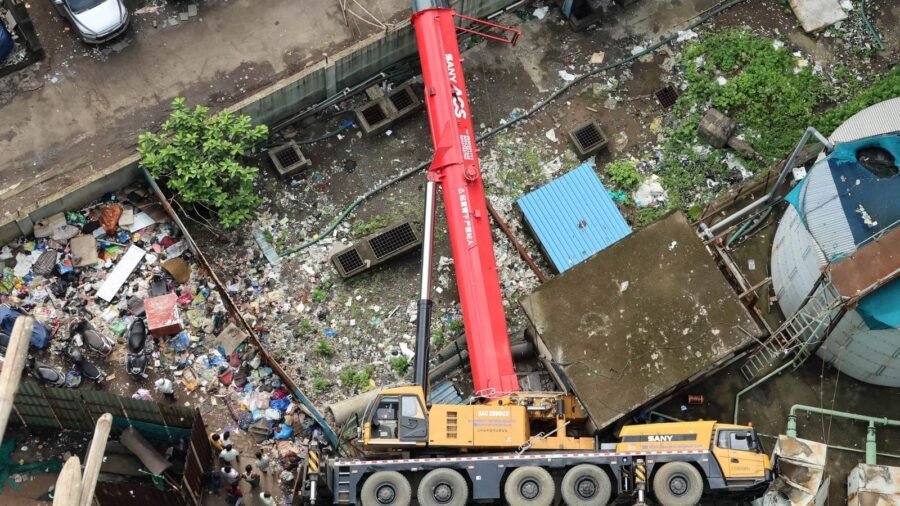
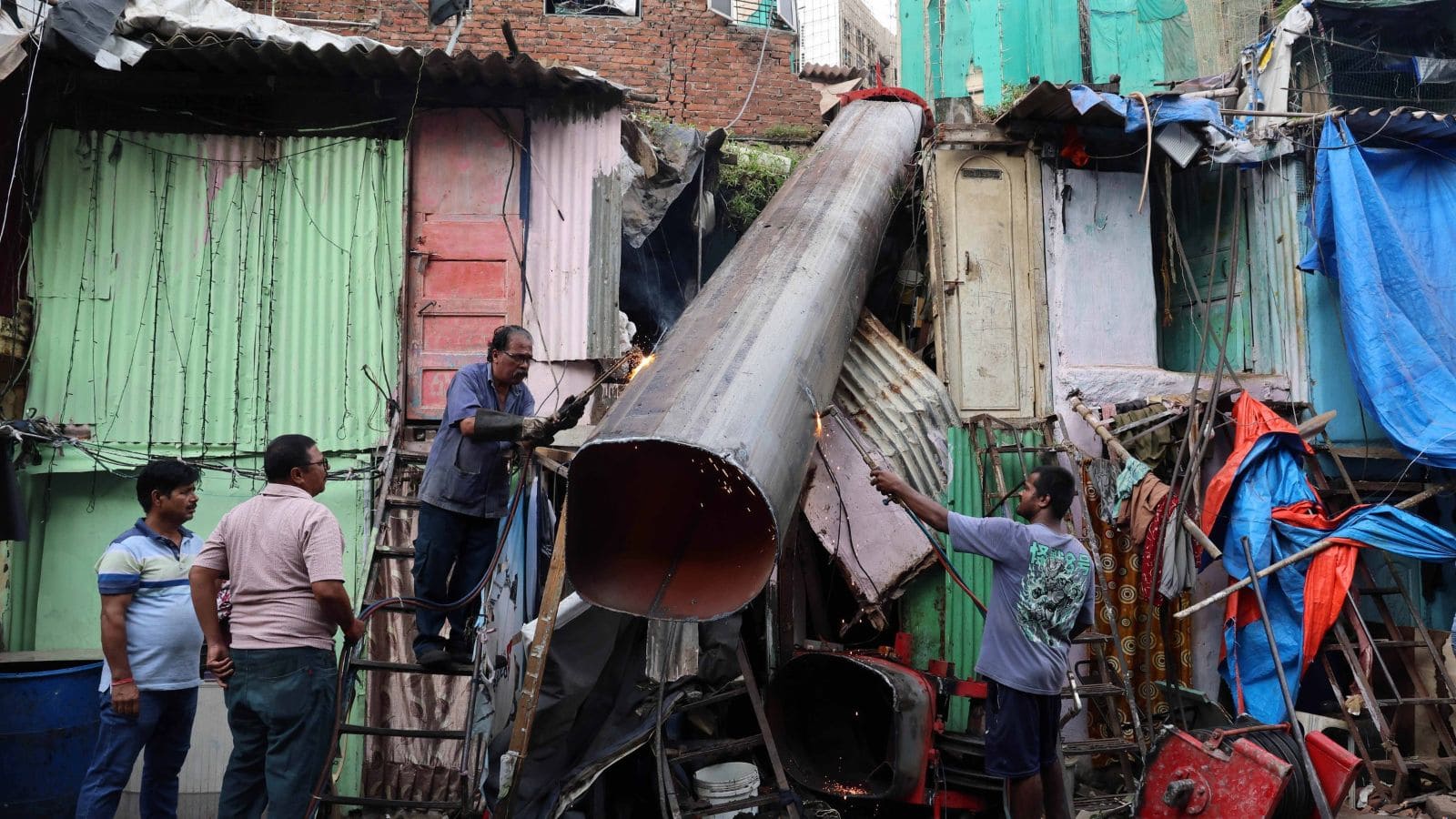
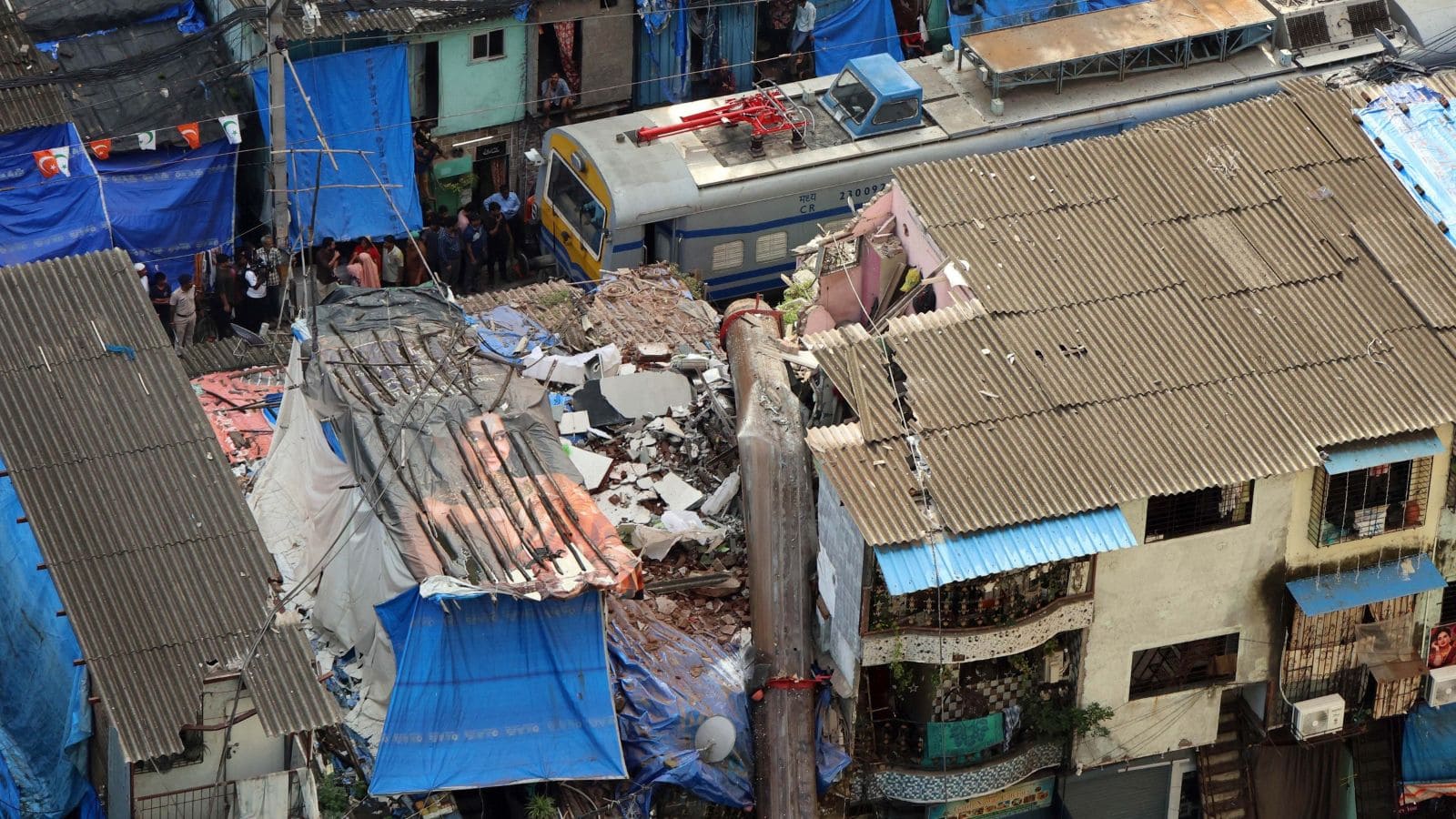
Mumbai and the wider Metropolitan Region have seen several crane-related incidents since the start of the year. On Friday, the boom of a 17-storey-high crane fell on slum homes in Kurla, injuring 12 people. Last week, a crane working on Metro Line 2B broke down at Juhu Circle and had to be repaired before it could be moved. In April, another crane working on the same metro project toppled in BKC, while a crane working on an elevated road toppled in Thane. In March, a hydraulic pipe on a crane burst during the dismantling of the Elphinstone bridge, bringing work to a halt.
At best, such incidents stop work and cause traffic disruptions. At worst, given the size of cranes and the weight of the loads they carry, they can cause deaths and extensive damage.
spoke to multiple members of the Crane Owners Association of India (COAOI) to understand what can cause crane failures, what safety checks are required and where responsibility lies.
Story continues below this ad
Q. What caused the Kurla crane incident?
The Mumbai Metropolitan Region Development Authority’s (MMRDA) preliminary investigation has attributed Friday’s incident in Kurla to poor ground stability, which caused the crane to lose balance and tilt, bringing its boom down on nearby homes.
“The crane’s stability depends on the ground the outer rigs and jacks stand on,” said Navin Dedhia, secretary, coordination and legal, COAOI. He said contractors should get the ground tested by a third party before a lift and obtain certification that it can safely bear the load. According to Dedhia, such testing is not always carried out because it adds to the cost and can delay work.
Ground stability cannot always be assessed through a visual inspection by the crane operator, said a senior member of the COAOI executive committee who did not wish to be named. Cranes can lift loads of 200 metric tonnes and, in some cases, more than 1,000 metric tonnes, the member said.
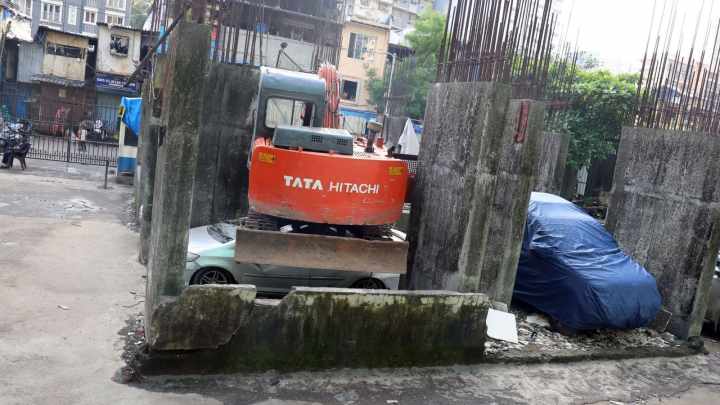
Underground utilities can also weaken sections of a road or make the ground less capable of bearing the load. Incomplete maps of underground utilities can make it difficult to establish what lies beneath a worksite, the member said. “In that case, the load on the ground has to be spread out using proper spreader mats so the ground bearing pressure is under a certain pressure,” he said.
Story continues below this ad
Safety standard operating procedures are in place, but incidents can occur because of lapses by operating crews or pressure from contractors, he added. Dedhia said crane operators do not always insist on ground certification when contractors fail to provide it, partly because competition in the industry means operators can be replaced by other companies.
Q. What checks are required before a lift?
Multiple crane company owners said third-party chartered engineers should conduct safety and performance checks on cranes before lifting operations begin. They said this responsibility rests with the crane operator rather than the contractor. Crane owners also said a safety officer should be present at the site during lifting operations. The officer should review the lift plan and conduct a Hazard Identification and Risk Assessment (HIRA).
Q. Can the age and condition of a crane contribute to failures?
Crane owners said older and poorly maintained machines are more vulnerable to technical and electrical faults. “It is possible in some cases the crane is far older than what its records show, and its age was manipulated after it was bought secondhand through a broker — not through the original manufacturer — from China. There are multiple cases where this happens, and older cranes are far more likely to have faults,” said Premal Thakker of the COAOI.
Thakker said there has been an influx of second-hand Chinese cranes in India because they are cheaper. He also alleged that buyers sometimes manipulate the recorded age of these machines. Newer cranes generally have more safety systems, including hydraulic locking cylinders and safe load indicators that monitor the condition of various components, Thakker said.
Story continues below this ad
Q. How much does operator training matter?
A crane owner, who did not wish to e identified, said the increasing use of cheaper, second-hand cranes has increased demand for skilled operators, while training opportunities have not kept pace. The owner said there are no government institutes specifically dedicated to training crane operators, with many learning on the job. The lack of career progression in the field also makes it difficult to attract skilled workers, the owner said.
New cranes purchased from original equipment manufacturers (OEMs) generally come with operator training, said the senior member of the COAOI executive committee. “The training of the crane operator is built into the contract when we buy new cranes, as it comes with new technology,” he said. The member also called for stricter controls on the import of cranes.
The functioning of a crane depends significantly on the operator, who has to ensure that the crane is not overloaded and that the turning and lifting radius, among other calculations, are within safe limits, crane owners said. Working at night can also increase the possibility of errors in judgement, another crane owner said.
Q. How often do technical failures cause crane incidents?
Crane owners said newer, well-maintained cranes do not frequently suffer technical failures. They also pointed to safety features designed to prevent a component failure from becoming a larger accident.
Story continues below this ad
For instance, during the hydraulic pipe burst in March, a safety lock prevented a crane deployed for the dismantling of the Elphinstone bridge from losing its grip on the load, crane owners said. Had the crane been carrying a heavy load, it would have stopped moving, but the load would not have come crashing down.
A crane owner and member of the COAOI executive committee said there are multiple safety checks involved in crane operations. “Crane incidents pale in front of the amount of infrastructure work and crane use that is happening. And when incidents do happen, it is largely due to human error and ground instability,” he said.